We use cookies, including third-party cookies from Google to serve personalized ads through AdSense, to operate this site and understand how it is used. By continuing to browse, you accept this use. See our Privacy Policy and Terms of Use for details, including how to opt out of personalized advertising.
Accept
SmartData CollectiveSmartData Collective
  • Analytics
    AnalyticsShow More
    chatgpt image jul 21, 2026, 04 34 30 pm
    4 Core Benefits of Predictive Maintenance after Vibration Analysis
    10 Min Read
    How Does Data Mining Boost Customer Satisfaction in Logistics? Harnessing Analytics for Results -- AI-generated illustration
    How Does Data Mining Boost Customer Satisfaction in Logistics? Harnessing Analytics for Results
    11 Min Read
    chatgpt image jul 13, 2026, 04 23 45 pm
    How Data Analytics Helps Companies Improve User Engagement
    19 Min Read
    chatgpt image jul 13, 2026, 03 59 46 pm
    How Data Analytics Improves Multi-Location Search Strategies
    10 Min Read
    cybersecurity efforts
    How Behavioral Analytics and AI Are Redefining Cybersecurity for Boca Raton Businesses
    14 Min Read
  • Big Data
  • BI
  • Exclusive
  • IT
  • Marketing
  • Software
Search
© 2008-25 SmartData Collective. All Rights Reserved.
Reading: Data Does Not Equal Intelligence: Predictive Analytics in the Enterprise
Share
Notification
Font ResizerAa
SmartData CollectiveSmartData Collective
Font ResizerAa
Search
  • About
  • Help
  • Privacy
Follow US
© 2008-23 SmartData Collective. All Rights Reserved.
SmartData Collective > Analytics > Predictive Analytics > Data Does Not Equal Intelligence: Predictive Analytics in the Enterprise
Predictive Analytics

Data Does Not Equal Intelligence: Predictive Analytics in the Enterprise

Ray Renteria
Ray Renteria
5 Min Read
Data Does Not Equal Intelligence: Predictive Analytics in the Enterprise
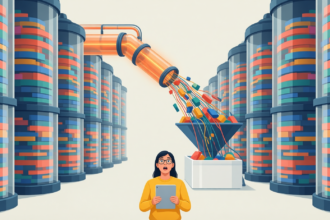
Illustration generated with Qwen Image.
SHARE

Modern enterprises run on data. However, much to some executives’ surprise, data itself is incapable of solving business problems.

Modern enterprises run on data. However, much to some executives’ surprise, data itself is incapable of solving business problems. All the bits of information your teams collect are worthless when it comes to improving supply chain processes, fine-tuning marketing campaigns, closing deals or meeting any number of other business challenges, if you don’t understand how to create intelligence from it. To make the most of the influx of data coming into your company, you need to know the difference between data, intelligence and insight, as well as how to apply all three to predictive analytics.

Here’s a break down of where data, intelligence and insight differ, and how they build upon each other:

  • Data – Data is an essential foundation for the more valuable assets of intelligence and insights. It includes all the firmographic and demographic information you might have about your target market, as well as raw facts about the individuals and companies with which you do business (or want to do business).
  • Intelligence – When you gather all of your separate data points and look at them in relation to each other, you get a clearer picture of challenges and opportunities. That’s intelligence. Intelligence shows, for example, that the visitor who just came to your website works for a company your sales team has been targeting, and that company recently expanded into multiple cities.
  • Insight – With data and intelligence, you can draw insights that lead to better decisions. You’ll see the patterns behind individual or market behavior, and you can adjust your own strategies and tactics in response. With the intelligence you gleaned about that website visitor above, for example, you might decide your target is at a prime moment to buy and would be receptive to a sweetened sales deal.

Data, intelligence and insight are all crucial for brands that need to optimize budgets and target the right prospects. Together, the three elements lay a strong foundation for predictive analytics.

More Read

Defining The Analytic Process
Can Predictive Analytics Identify Future Crypto Profitability?
Are Google’s Engagement Programs Losing Oxygen?
Social Media Data and what analysts can do with it
Big Data in Insurance – Is the Industry Ready to Take Advantage?

Putting insight and intelligence to work through predictive analytics

You’ve probably learned to harness big data to some extent, like most of the B2B enterprises that start with massive stores of information about their prospects. If you know prospects’ company size, locations, recent purchases and usage patterns, you can build a basic sales and marketing strategy. You can segment your targets based on broad parameters, such as company size and vertical industry. You can also create broad-brush buyer profiles, so you know you’re talking only to decision-makers at the mid-manager level or above, for example.

However, to gain a real competitive edge and maximize the value of the data you have, you need to up your analysis game to create predictive models. That requires more than just data; you’ll need intelligence and insight. Take the data you use to create a prospect list. You have firmographics, but what about behavioral information? What about psychographics? This is the kind of data – often drawn from external sources – that can make the difference between modest outcomes and stellar ones.

 When you can target leads at specific points, you can:

  • Create highly detailed buyer personas;
  • Segment your leads and market at the micro level;
  • Build tailored campaigns supported by relevant content; and
  • Close more deals.

 A model that incorporates behavioral triggers predicts which actions your prospects are likely to take at which times. Those triggers might include the hiring of a new IT leader – usually a green-light moment for purchase decisions. When you have that level of insight, you can reap greater returns on your investments across business units.

 Predictive analytics: the new B2B table-stakes

 B2B enterprises cannot afford to settle for raw data, nor can they continue to mistake that raw data for useful insight. In order to compete in a smarter marketplace, you need to view internal and external data sets as the starting point. From there, the ability to relate that disparate data will create the intelligence you need to draw actionable, profitable insights.


Share This Article
Facebook Pinterest LinkedIn
Share

Follow us on Facebook

Latest News

Synthetic Data vs Real Web Data: Comparison, Limitations, and Collection Methods  -- AI-generated illustration
Synthetic Data vs Real Web Data: Comparison, Limitations, and Collection Methods 
Big Data Exclusive
Illustration of mobile analytics dashboards with ad performance charts connected to backend databases
11 Best Sisense Alternatives for Embedded Analytics
Business Intelligence Exclusive
Analyst points at colorful circular data dashboard on screen - information technology business metrics
How Fragmented Workplace Tech Undermines Reliable Business Metrics and Reporting
Cloud Computing Exclusive Infographic IT
Using Multi-Source Data and Analytics to Detect Operational Drift Across Franchise Networks -- AI-generated illustration
Using Multi-Source Data and Analytics to Detect Operational Drift Across Franchise Networks
Exclusive Infographic

Stay Connected

1.2KFollowersLike
33.7KFollowersFollow
222FollowersPin

You Might also Like

WOW! Big Data at Google
AnalyticsBig DataCloud ComputingData ManagementData MiningData WarehousingHadoopInside CompaniesITMapReducePredictive AnalyticsSentiment AnalyticsSocial DataSoftwareText AnalyticsTransparency

WOW! Big Data at Google

7 Min Read
The Uncanny Valley of Big Data
Predictive AnalyticsPrivacy

The Uncanny Valley of Big Data

6 Min Read
The Fallacy of the Data Scientist Shortage
AnalyticsBusiness IntelligenceBusiness RulesCloud ComputingCollaborative DataCommentaryData MiningData WarehousingDecision ManagementHadoopJobsMapReducePredictive AnalyticsR Programming LanguageSentiment AnalyticsStatisticsText AnalyticsUnstructured Data

The Fallacy of the Data Scientist Shortage

8 Min Read
Social Analytics?
Business IntelligenceCRMData MiningPredictive Analytics

Social Analytics?

11 Min Read

SmartData Collective is one of the largest & trusted community covering technical content about Big Data, BI, Cloud, Analytics, Artificial Intelligence, IoT & more.

Chatbots and SEO: How Can Chatbots Improve Your SEO Ranking?
Artificial Intelligence Chatbots Exclusive
5 Great Tips for Using Data Analytics for Website UX
Big Data

Quick Link

  • About
  • Contact
  • Privacy
Follow US
© 2008-26 SmartData Collective. All Rights Reserved.
Welcome Back!

Sign in to your account

Username or Email Address
Password

Lost your password?