In today?s modern, data-driven business environments, we talk IT all the time. In fact, many consider IT to be the heart of the business, keeping everything running. What?s missing from the conversation, though, is OT ? operational technology.
IT and OT work side by side to ensure smooth daily functioning in regards to data and to solve major systems management problems. And one problem that demands an especially high level of cooperation between IT and OT is data migration.
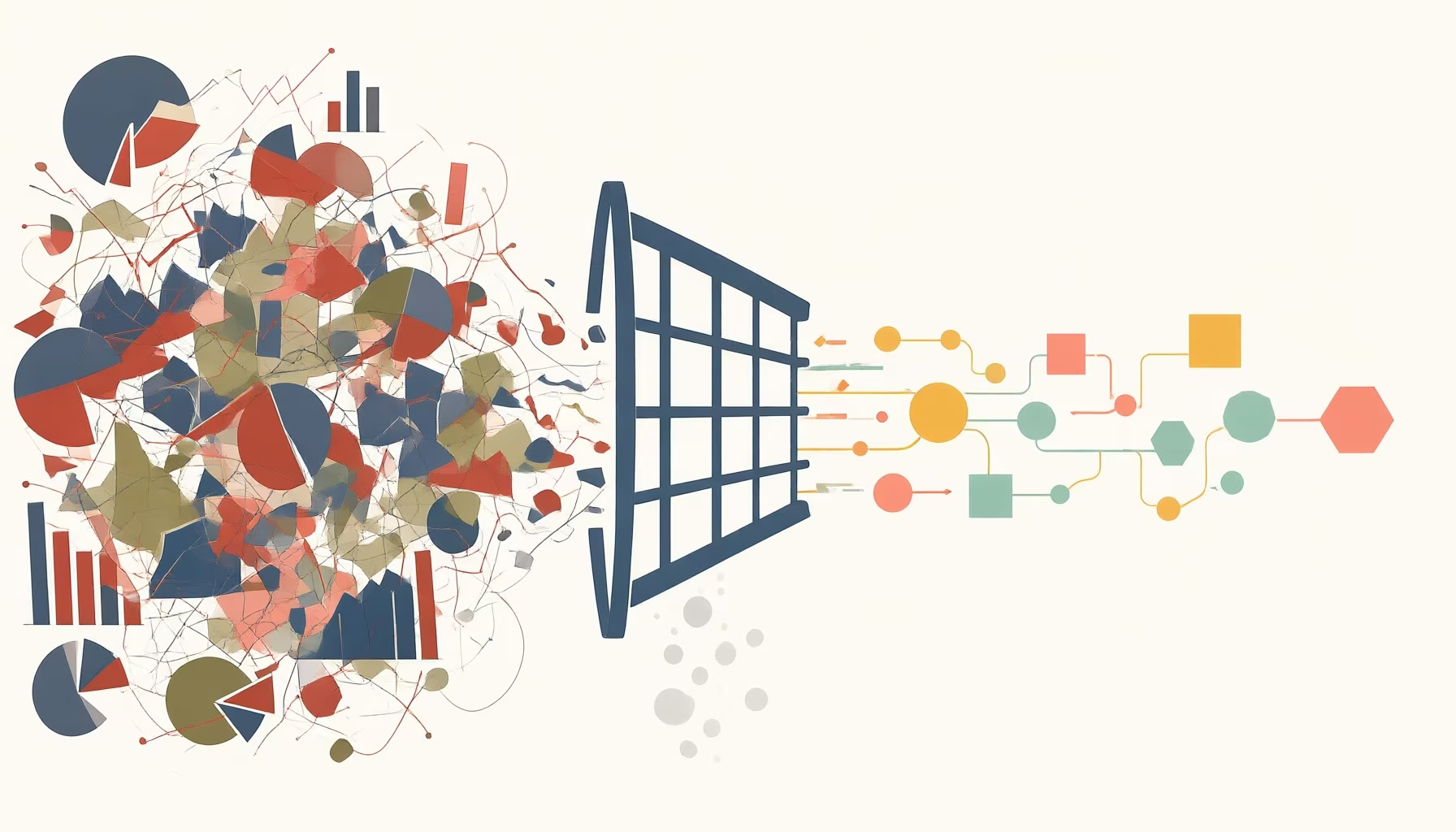
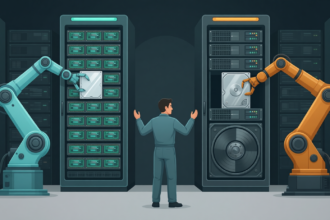
Why is data migration such a challenge for IT and OT? In part, it?s because moving data is more difficult than moving physical objects. You have to account for system downtime, ensure there won?t be data loss ? you can?t see a corrupt file the way you can see a dropped binder ? and account for any software conflicts. There are a lot of potential problems involved.
When data migration is on the agenda, IT tends to focus on data management logistics while OT keeps an eye on the business?s ongoing operations with the aim of minimizing downtime and corporate disruption. It?s a challenging undertaking.
Here?s how your business can reduce the strain.
Building Relationships To Reduce Errors
Technically speaking, as our data systems evolve, there are fewer distinctions between IT and OT, but from a day-to-day operations standpoint, most companies are still working to smooth the transition between the two teams that will eventually make them one. In advance of any data migration process, IT and OT should be holding regular meetings and working to reduce their operational differences so there?s minimal conflict between the two. This will benefit both teams in the long term.
As IT and OT meet around the topic of data migrations, they need to focus on the possibility of everything from security breaches to system fires and how they?ll mitigate such issues if they do arise. Both parties are concerned with these issues because for IT these are security problems and for OT they?re operational issues that will increase system downtime. Cooperation before and during migration reduces the likelihood of performance issues after migration.
Towards Agility And Hybridization
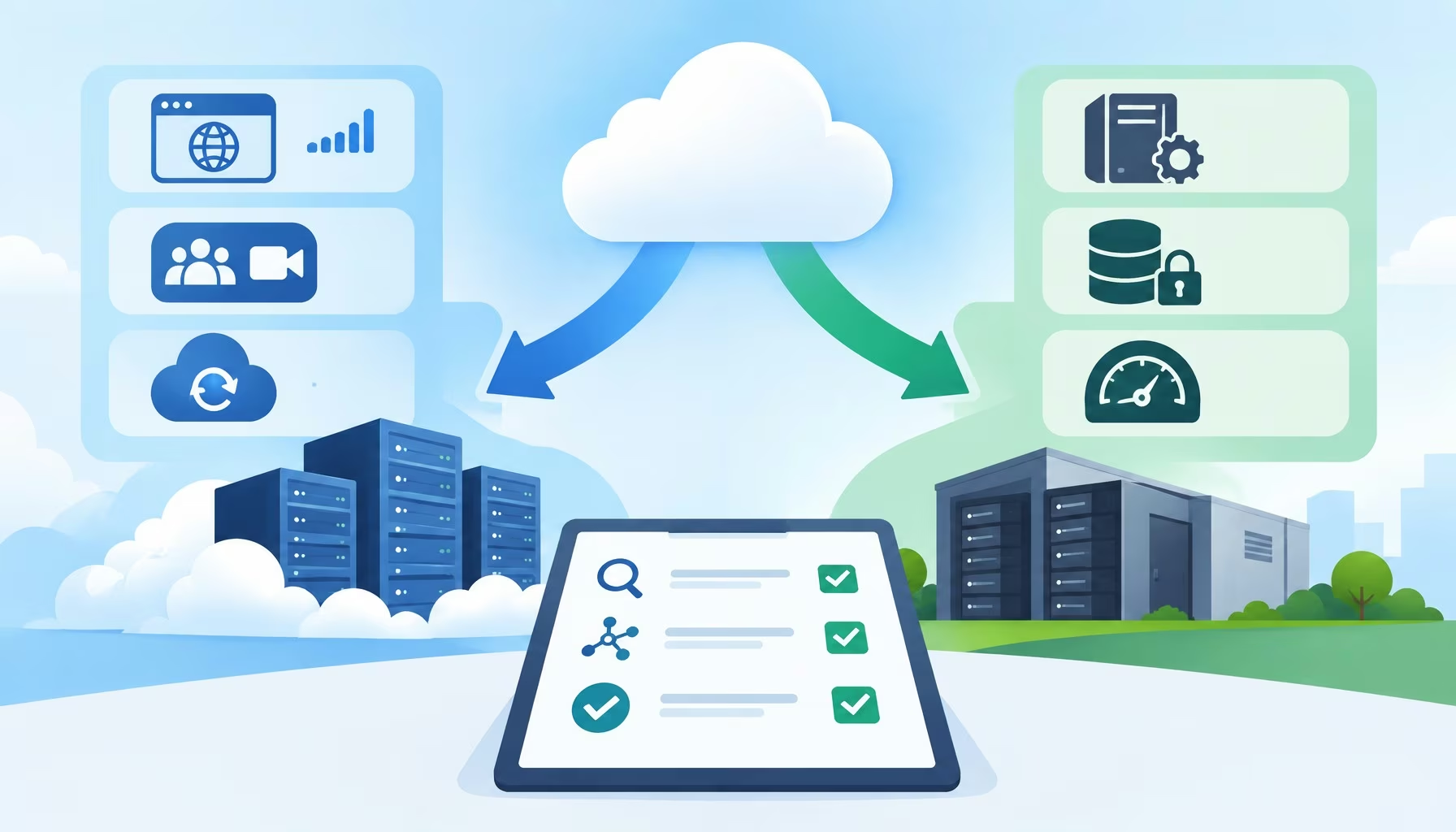
In general, data migration today is done with the goal of greater system agility. This means that companies are moving towards system virtualization, customization, and faster data management that works with their specific needs. This is a powerful approach, but it often means working with a lot of unknowns. If you?re shifting to a customized data center, you don?t exactly know how that will go. No one has done this exact thing before and this is why IT and OT need to plan together for the migration process. These systems are often part of a cloud-first strategy that is increasingly familiar to IT but may not be as well understood by OT professionals.
Hybrid cloud-first systems are intended to drive revenue and increase system resilience, so they should be the friend of OT professionals everywhere, but the factors involved in adopting a system are often off-putting. IT teams need to empower OT professionals by assisting with environmental monitoring protocols, emphasizing long-term benefits of hybridization such as increased security, and presenting a clear data management plan.
Data migration isn?t an unknown ? companies have been undertaking such processes for decades ? but it is changing shape as the technology involved changes. Encourage your company?s IT and OT teams to view data migration as a tool for overall team integration.
We aren?t just moving data, we?re changing how two core teams relate for years and projects to come.