
We use cookies, including third-party cookies from Google to serve personalized ads through AdSense, to operate this site and understand how it is used. By continuing to browse, you accept this use. See our Privacy Policy and Terms of Use for details, including how to opt out of personalized advertising.
Accept
SmartData CollectiveSmartData Collective
  • Analytics
    AnalyticsShow More
    What Kind of Problem-Solving Distinguishes Data Analysts From Software Engineers -- AI-generated illustration
    What Kind of Problem-Solving Distinguishes Data Analysts From Software Engineers
    7 Min Read
    chatgpt image jul 21, 2026, 04 34 30 pm
    4 Core Benefits of Predictive Maintenance after Vibration Analysis
    10 Min Read
    How Does Data Mining Boost Customer Satisfaction in Logistics? Harnessing Analytics for Results -- AI-generated illustration
    How Does Data Mining Boost Customer Satisfaction in Logistics? Harnessing Analytics for Results
    11 Min Read
    chatgpt image jul 13, 2026, 04 23 45 pm
    How Data Analytics Helps Companies Improve User Engagement
    19 Min Read
    chatgpt image jul 13, 2026, 03 59 46 pm
    How Data Analytics Improves Multi-Location Search Strategies
    10 Min Read
  • Big Data
  • BI
  • Exclusive
  • IT
  • Marketing
  • Software
Search
© 2008-25 SmartData Collective. All Rights Reserved.
Reading: Counteracting Our Obsession with Speed
Share
Notification
Font ResizerAa
SmartData CollectiveSmartData Collective
Font ResizerAa
Search
  • About
  • Help
  • Privacy
Follow US
© 2008-23 SmartData Collective. All Rights Reserved.
SmartData Collective > Big Data > Data Warehousing > Counteracting Our Obsession with Speed
AnalyticsCommentaryData Warehousing

Counteracting Our Obsession with Speed

paulbarsch
paulbarsch
4 Min Read
Counteracting Our Obsession with Speed
Illustration generated with FLUX.2 [Klein 9B] via local ComfyUI.
SHARE

In the quest to get as close as possible to the speed of light for faster decision making, it appears some companies are moving too fast and thus making very costly mistakes. When windows of time are compressed to near zero, there’s no recovery time for critical errors.  In fact, for some decisions (especially those of a strategic nature) it’s much better to take it slow.

In baseball, scouts love to find pitchers that can throw “the heater”.  Prospects that can throw near 100 mph a few times a game are coveted over those who can rarely top 90.  The mantra for pitchers now is; “throw it faster and see if hitters can keep up”.

However, there’s a renewed interest in knuckleballers, or those pitchers who throw a pitch with little to no spin. For these pitchers, the ball is supposed to “dance” on its way to home plate at speeds of 60-70 miles per hour. For baseball hitters, trying to track down a dancing knuckleball is extremely tough. It’s hard to track the lively movement of the knuckleball, much less adjust to low speed at which they’re thrown.

Why the revived interest in knuckleball pitchers? Sports Illustrated writer Phil Taylor says; “(In baseball) we need the knuckleball to help counteract the obsession with speed, to prove there still is a place for nuance and skill.”

More Read

Spreadsheets: Still the King of Business Intelligence Tools
See Why Businesses Can’t Do Without Customer Data Collection
How to Create Effective B2B Retargeting Campaigns
What Is Natural Language Processing?
Choosing Your Business Intelligence Solution: Don’t Be Afraid of the “Smoosh-ins®”

Phil Taylor has it exactly right –in baseball and in the business world.

Our world is obsessed with speed. Faster food, hurry up offenses in football, faster computers, and even faster war-making. As I have detailed before, it’s everything—faster.

But conversely, sometimes moving too fast is dangerous. There are some decisions that should not be made too quickly, especially those that could benefit from more data collection, or decisions where there is ambiguity and complexity. United States President Barack Obama mentioned in a Vanity Fair article; “Nothing comes to my desk that is perfectly solvable…so you wind up dealing with probabilities, and any given decision you make you’ll wind up with 30-40% chance that it isn’t going to work.”

Even when speed is deemed a competitive advantage, sometimes faster isn’t better. For example, Knight Capital Group lost $440 million dollars when a “technology malfunction” launched erroneous trades on their behalf.  Trading at near the speed of light, there simply wasn’t enough time to recover from the initial errors leaving Knight with nearly a $500 million loss in the span of just 45 minutes.

The need for speed comes at a price of compressed decision making windows and non-recoverability for critical errors. Worse, when errors from a few players cascade through complex systems, the feedback effects can severely damage all participants in the ecosystem. It’s as if the butterfly flapping its wings really does bring about category four hurricanes.

Not every decision needs to be made faster. There will always be a place for decisions made with “skill and nuance”, where it’s important to slow down, see the bigger picture, and adjust our swing and timing for the occasional erratic knuckleball thrown our way.


Share This Article
Facebook Pinterest LinkedIn
Share

Follow us on Facebook

Latest News

Flat editorial illustration: The article's core relationship is workload-by-workload decision-making for cloud migration, where s
Which Workloads Should Move to the Cloud?
Cloud Computing Exclusive IT
Flat editorial illustration: The article positions data governance as a strategic board-level concern rather than a purely techni
Why Data Governance Is Becoming a Board-Level Business Priority
Big Data Exclusive Policy and Governance
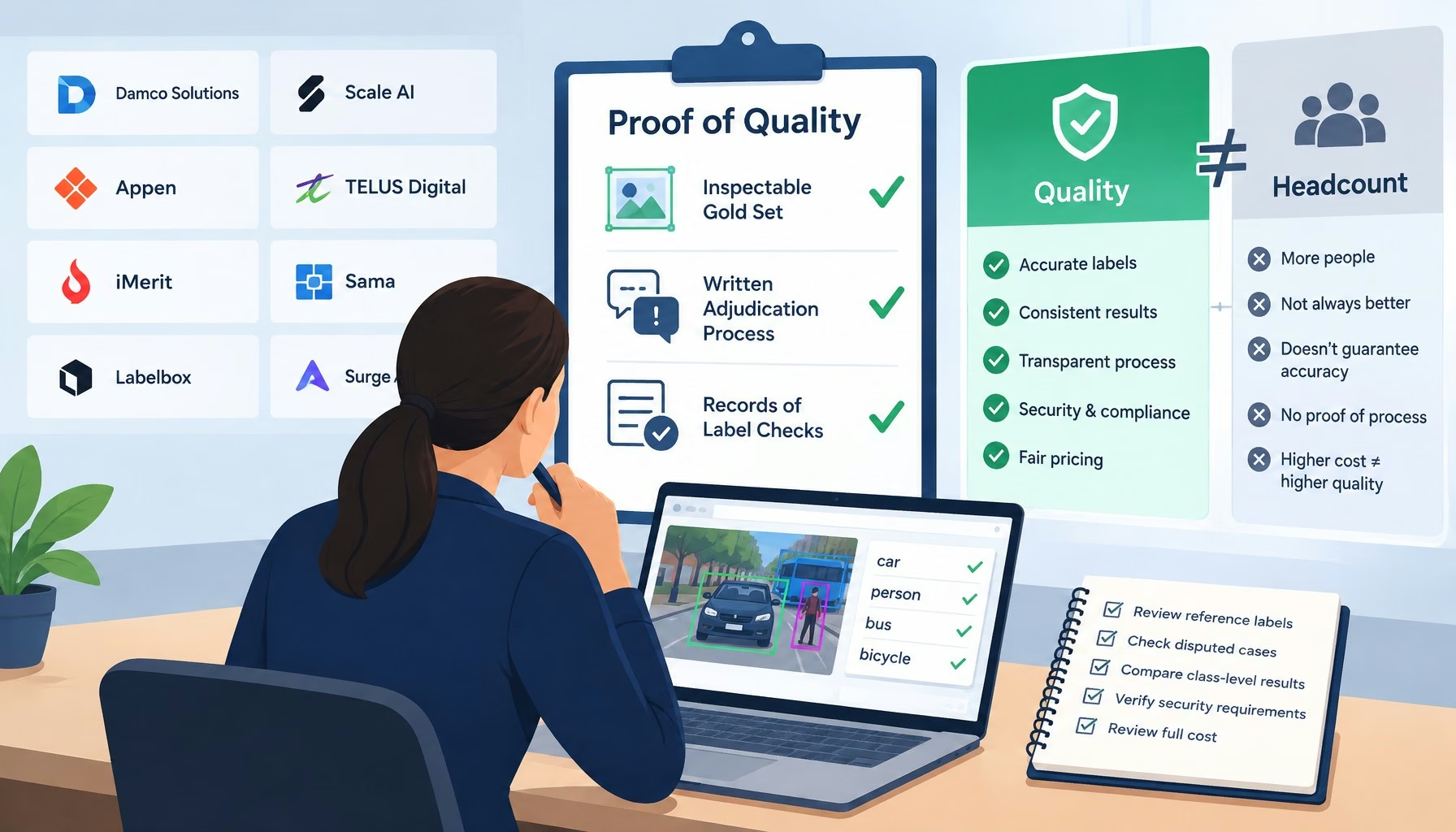
Flat editorial illustration: The article argues that data annotation quality should be measured by inspectable gold sets, written
The Top Data Annotation Companies Are Separated by Proof of Quality, Not Headcount
Big Data Exclusive
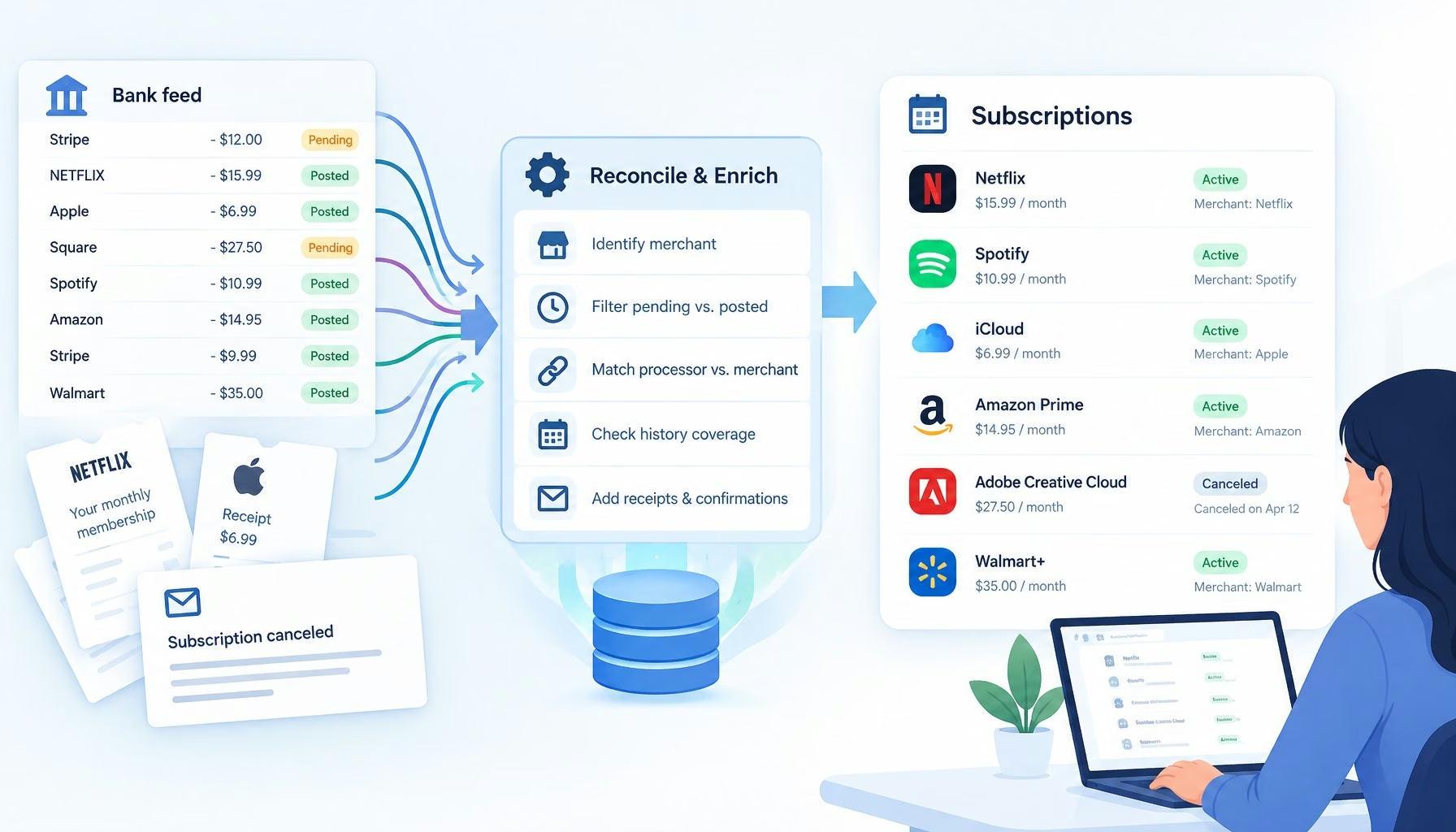
Flat editorial illustration: The article's core relationship is the gap between raw bank-feed records and reliable subscription i
Subscription Trackers Have a Transaction Data Problem
Big Data Exclusive

Stay Connected

1.2KFollowersLike
33.7KFollowersFollow
222FollowersPin

You Might also Like

When Big Data Turns Into a Big Nightmare!
AnalyticsBig DataBusiness IntelligenceData ManagementData MiningExclusiveModelingPolicy and GovernancePredictive AnalyticsRisk Management

When Big Data Turns Into a Big Nightmare!

6 Min Read
Semantic Analytics – Detecting Context within Social Media Conversations
AnalyticsData MiningSocial Data

Semantic Analytics – Detecting Context within Social Media Conversations

6 Min Read
Business Intelligence Isn't Just About Technology [VIDEO]
AnalyticsBig DataBusiness IntelligenceCollaborative DataDecision ManagementPredictive AnalyticsSoftware

Business Intelligence Isn’t Just About Technology [VIDEO]

1 Min Read
How Big Data Analytics Reveal Your Most Intimate Secrets
AnalyticsBig DataBusiness IntelligenceCulture/LeadershipData ManagementData MiningModelingPredictive AnalyticsPrivacySocial DataSocial Media AnalyticsTransparencyWeb Analytics

How Big Data Analytics Reveal Your Most Intimate Secrets

8 Min Read

SmartData Collective is one of the largest & trusted community covering technical content about Big Data, BI, Cloud, Analytics, Artificial Intelligence, IoT & more.

The Art of Conversation: Enhancing Chatbots with Advanced AI Prompts
Chatbots
Artificial Intelligence for eCommerce: A Closer Look
Artificial Intelligence

Quick Link

  • About
  • Contact
  • Privacy
Follow US
© 2008-26 SmartData Collective. All Rights Reserved.
Welcome Back!

Sign in to your account

Username or Email Address
Password

Lost your password?