

We use cookies, including third-party cookies from Google to serve personalized ads through AdSense, to operate this site and understand how it is used. By continuing to browse, you accept this use. See our Privacy Policy and Terms of Use for details, including how to opt out of personalized advertising.
Accept
SmartData CollectiveSmartData Collective
  • Analytics
    AnalyticsShow More
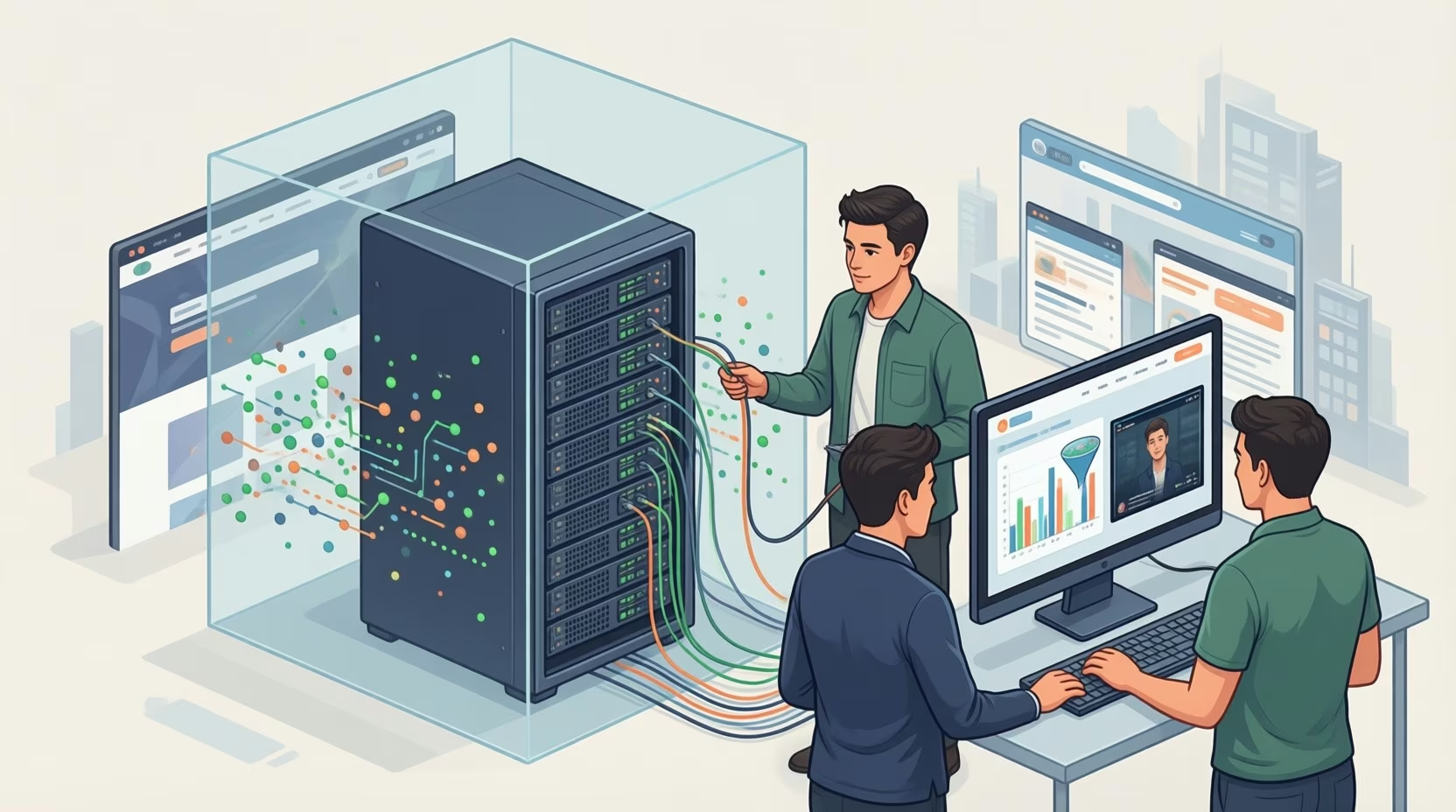
    What Kind of Problem-Solving Distinguishes Data Analysts From Software Engineers -- AI-generated illustration
    What Kind of Problem-Solving Distinguishes Data Analysts From Software Engineers
    7 Min Read
    chatgpt image jul 21, 2026, 04 34 30 pm
    4 Core Benefits of Predictive Maintenance after Vibration Analysis
    10 Min Read
    How Does Data Mining Boost Customer Satisfaction in Logistics? Harnessing Analytics for Results -- AI-generated illustration
    How Does Data Mining Boost Customer Satisfaction in Logistics? Harnessing Analytics for Results
    11 Min Read
    chatgpt image jul 13, 2026, 04 23 45 pm
    How Data Analytics Helps Companies Improve User Engagement
    19 Min Read
    chatgpt image jul 13, 2026, 03 59 46 pm
    How Data Analytics Improves Multi-Location Search Strategies
    10 Min Read
  • Big Data
  • BI
  • Exclusive
  • IT
  • Marketing
  • Software
Search
© 2008-25 SmartData Collective. All Rights Reserved.
Reading: How the New York Times uses R for Data Visualization
Share
Notification
Font ResizerAa
SmartData CollectiveSmartData Collective
Font ResizerAa
Search
  • About
  • Help
  • Privacy
Follow US
© 2008-23 SmartData Collective. All Rights Reserved.
SmartData Collective > Data Management > Best Practices > How the New York Times uses R for Data Visualization
Best PracticesR Programming Language

How the New York Times uses R for Data Visualization

DavidMSmith
DavidMSmith
2 Min Read
How the New York Times uses R for Data Visualization
Illustrative image generated with OpenAI gpt-image-1.
SHARE

The New York Times introduced R to the world with a feature article in 2009, and has been using R for many years to support its pioneering presentation data analysis and visualization, under the direction of graphics editor Amanda Cox.

Last week, the New York R User Group‘s featured speaker was Amanda Cox, where she presented

… how R is used in the news cycle at the The New York Times to crunch data and prepare graphics before they go to print or online. She will also discuss some of the problems facing the New York Times ongoing basis, including how to represent uncertainty in an accessible way, and how to move beyond “Here is some data:” toward something closer to inference.”

Video from Amanda’s talk on R at the New York Times is now available, which you can see at Drew Conway’s blog — it’s great to hear how R is put to practical use to such great ends.

More Read

Why Small Businesses Should Switch to Cloud Accounting Software
“Lean is not a destination, it’s a journey.”
Forecast Bleak for Bad UIs
Lots of Data Does Not Equal “Big Data”
How To Develop A Top-Notch Data Warehousing System

By the way, if you haven’t seen it yet, the Times has a incredible (in the literal sense) and sobering visualization of before-and-after effects of the Japan tsunami disaster.

Zero Intelligence Agents: Amanda Cox on How The New York Times Graphics Department Uses R

 

Share This Article
Facebook Pinterest LinkedIn
Share

Follow us on Facebook

Latest News

Flat editorial illustration: The article is about modernizing legacy software incrementally without stopping live operations. A t
7 Top Legacy Software Modernization Companies in Europe for 2027
Exclusive Software
Flat editorial illustration: The article weighs control and privacy from self-hosting against analytics depth and the server capa
4 Best Self-Hosted Analytics Solutions
Big Data Business Rules
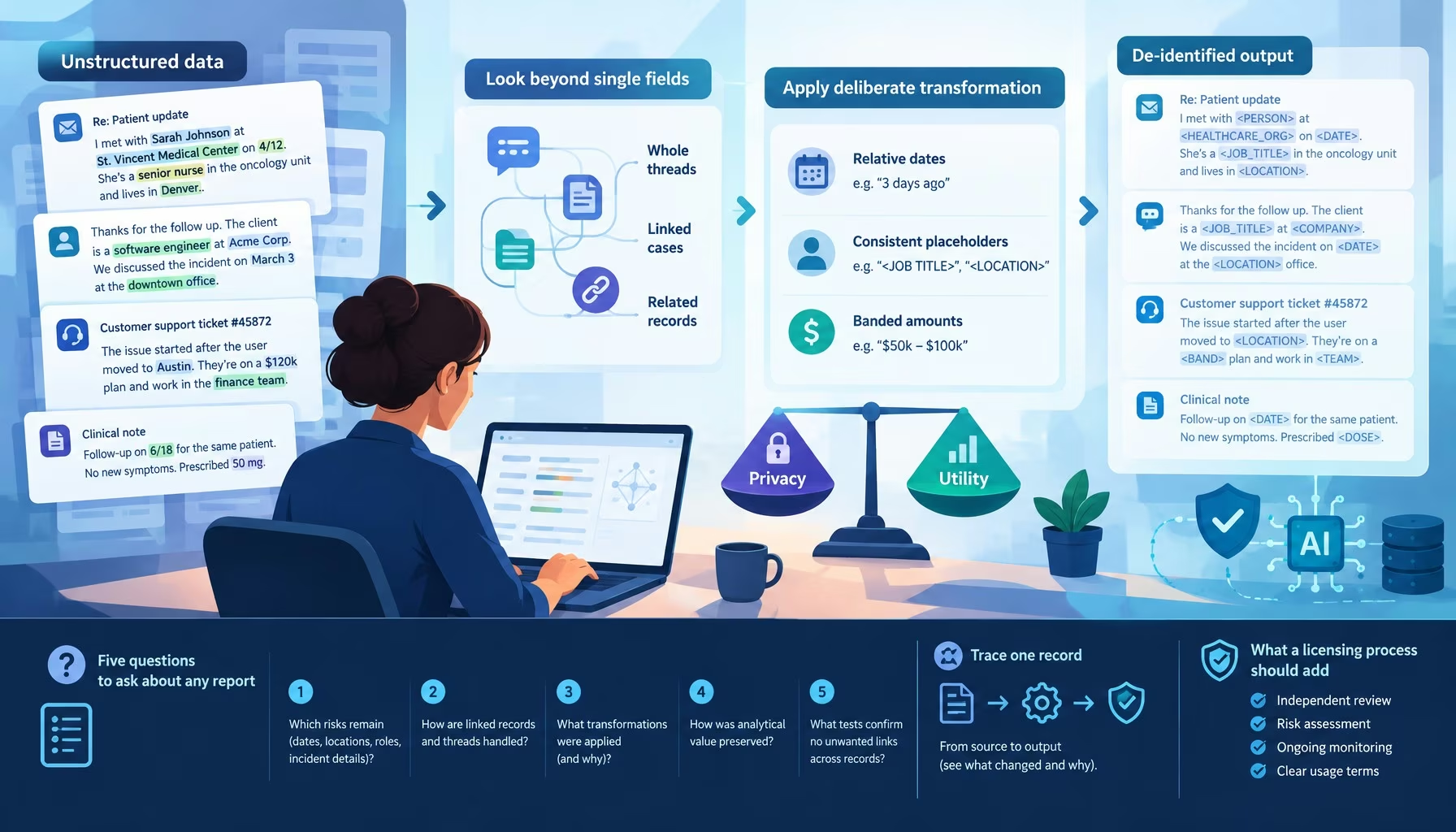
Flat editorial illustration: A tech-editorial depiction of contextual re-identification risk in linked unstructured support recor
Stripping the Names Isn’t Enough: De-Identifying Unstructured Data
Exclusive Unstructured Data
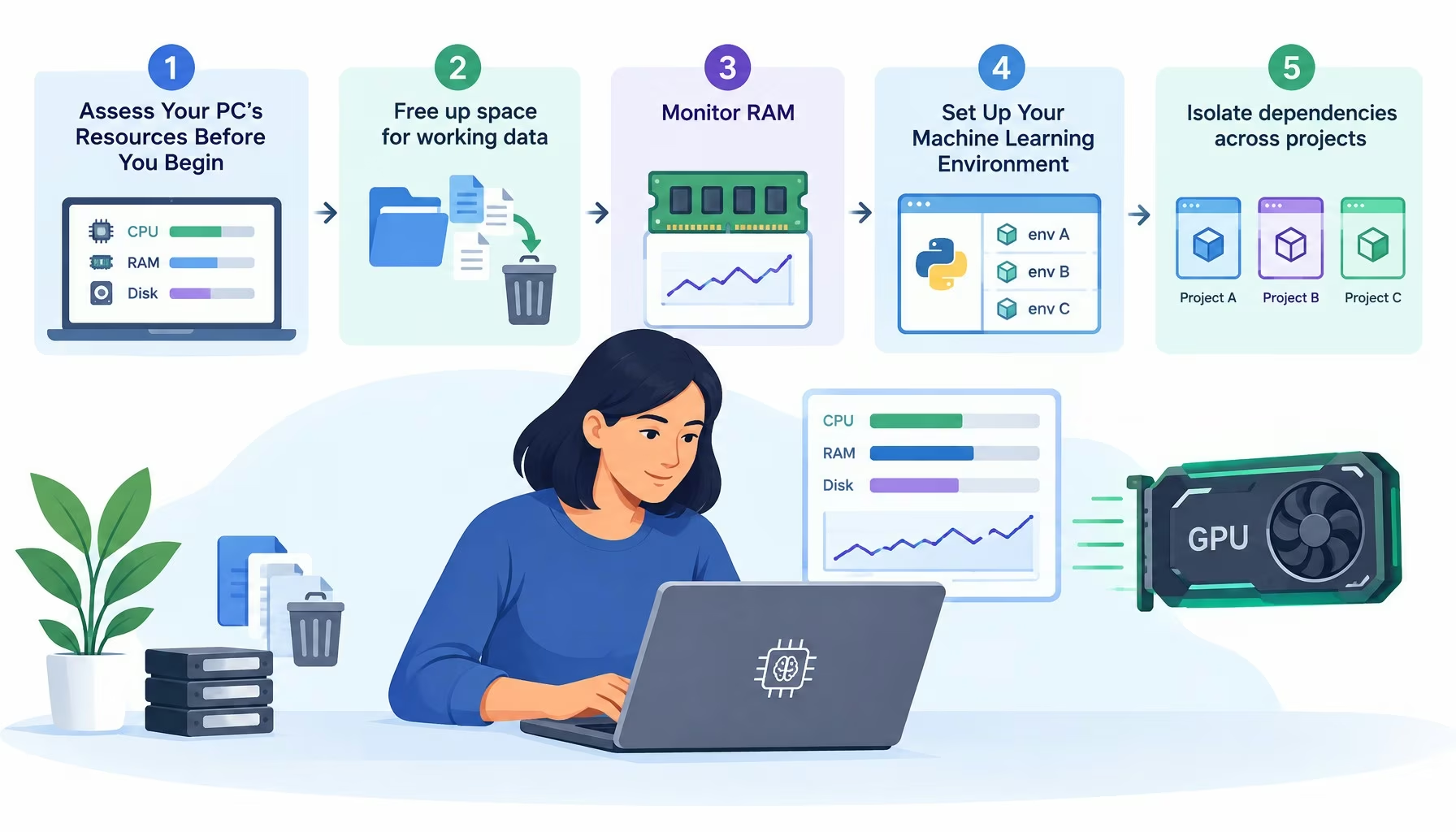
Flat editorial illustration: The article connects practical management of local data, memory and software environments with direc
How Data Professionals Optimize Devices for AI and ML Projects
Artificial Intelligence Data Science Exclusive Machine Learning

Stay Connected

1.2KFollowersLike
33.7KFollowersFollow
222FollowersPin

You Might also Like

Image
Best PracticesCulture/LeadershipDecision ManagementKnowledge ManagementModelingPolicy and GovernancePredictive AnalyticsStatisticsTransparencyWorkforce Analytics

Why I’m Teaching Twitch to Predict the Future

8 Min Read
The Pros and Cons of Collaborative Data Modeling
Best PracticesCollaborative Data

The Pros and Cons of Collaborative Data Modeling

4 Min Read
Image
Best PracticesBig DataBusiness IntelligenceData VisualizationMarketingSocial Data

8 Ways That College Sports Teams Can Use Data to Prove Value to Sponsors

15 Min Read
Big Data and Business Intuition Work Together
AnalyticsBest PracticesBig DataBusiness IntelligenceCulture/LeadershipData ManagementDecision ManagementMarketing

Big Data and Business Intuition Work Together

5 Min Read

SmartData Collective is one of the largest & trusted community covering technical content about Big Data, BI, Cloud, Analytics, Artificial Intelligence, IoT & more.

ai chatbot
How AI Website Chatbots Improve Customer Support and Lead Generation
Chatbots Exclusive
How To Get An Award Winning Giveaway Bot
Big Data Chatbots Exclusive

Quick Link

  • About
  • Contact
  • Privacy
Follow US
© 2008-26 SmartData Collective. All Rights Reserved.
Welcome Back!

Sign in to your account

Username or Email Address
Password

Lost your password?