Cookies help us display personalized product recommendations and ensure you have great shopping experience.

By using this site, you agree to the Privacy Policy and Terms of Use.
Accept
SmartData CollectiveSmartData Collective
  • Analytics
    AnalyticsShow More
    predictive analytics risk management
    How Predictive Analytics Is Redefining Risk Management Across Industries
    7 Min Read
    data analytics and gold trading
    Data Analytics and the New Era of Gold Trading
    9 Min Read
    composable analytics
    How Composable Analytics Unlocks Modular Agility for Data Teams
    9 Min Read
    data mining to find the right poly bag makers
    Using Data Analytics to Choose the Best Poly Mailer Bags
    12 Min Read
    data analytics for pharmacy trends
    How Data Analytics Is Tracking Trends in the Pharmacy Industry
    5 Min Read
  • Big Data
  • BI
  • Exclusive
  • IT
  • Marketing
  • Software
Search
© 2008-25 SmartData Collective. All Rights Reserved.
Reading: The Legal Requirements For Gathering Data
Share
Notification
Font ResizerAa
SmartData CollectiveSmartData Collective
Font ResizerAa
Search
  • About
  • Help
  • Privacy
Follow US
© 2008-23 SmartData Collective. All Rights Reserved.
SmartData Collective > Big Data > Data Collection > The Legal Requirements For Gathering Data
Big DataData CollectionData ManagementPolicy and Governance

The Legal Requirements For Gathering Data

Data privacy laws and other legal changes are stricter than ever, so your business must understand them to avoid legal sanctions.

Ryan Kh
Ryan Kh
5 Min Read
data privacy and other data laws to recognize
Shutterstock Photo License - By Photon photo
SHARE

Data is absolutely vital to your occupation as a business owner. After all, this information lets you understand your market better, enabling you to provide better customer experiences. However, customers aren’t as willing to share personal information with companies.

Contents
  • Privacy Policy
  • User Consent
  • Privacy preferences
    • Ensure that Your Data Accumulation Strategy is Fully Compliant with All Regulations

In fact, a study found that 79% of Americans are concerned about how their data is being used by companies, which is not good for building trust. This is why the national and federal governments have created laws to protect customer data.

If you are not familiar with the principles of data accumulation, here are the legal requirements you need before you can start collecting your customers’ data.

Privacy Policy

According to content marketer Abhishek Talreja, a well-written privacy policy is going to detail all of the different types of personal information that you are collecting from your customers. It should also include how you use the information and your plans to protect it. Plus, depending on the state that you operate in, you need to take note of the local requirements for privacy policies.

More Read

The Top 10 Social Media Research Complaints #MRX
Positioning your Database Start Up for Enterprise OLTP
6 Essential Skills Every Big Data Architect Needs
Why and When to Delete Your Tweets in the Big Data Era
Big Data Leads to Better Virtual Private Servers for Small Businesses

For example, Californian law states that your privacy policy must be displayed as a stand-alone document. Meanwhile, New York demands that you detail the categories of information that you collect. Moreover, New York is one of the few places where you can get heavily fined for violating the law, so it’s important to disclose any contracts, operating agreements, and other documents for the sake of transparency. Of course, not every business is required to reveal all these, and one of the ways you can ensure transparency is by publicly registering your business as an LLC or incorporating it. Forming an LLC in the state also helps you in case there’s a data breach because of the legal protection an LLC provides. This type of business structure separates your personal and legal assets, protecting you should any breach of privacy policy contract happen. All LLCs across the country, as well as other business structures, like corporations, enjoy this benefit as well.

User Consent

Before you can take data from your customers, you first have to make them agree to the policies that you’ve created. For this, you need a consent form. For example, websites do this by asking if the user is willing to enable cookies on their page. Every device has a unique “component” that locks onto a user’s online activity. Cookies are tools on browsers that allow websites to get access to this “component.” If your company holds that kind of data, you can use it to understand your market better.

If you own an app, you have to put up a consent form on it as well. Stricter states like New York also mandate that you provide a consent form before the user registers for anything on your site that needs personal information, such as a newsletter or webinar.

Privacy preferences

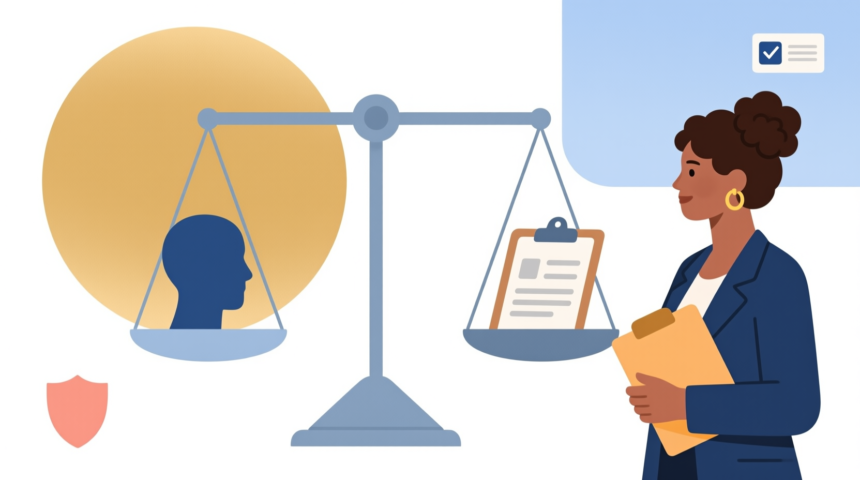
This isn’t a legal requirement, per se, but it’s a good way to allow your customers better control over their data. Indeed, in our post ‘Why Consumer Data Privacy Is More Important Than Ever’, we emphasized that allowing your website visitors to decide what information they want to share and who they want to share it with is a great trust booster. For example, give them the option to turn off cookies. You can also allow them to keep their online profile private or give them a choice to only share the bare minimum information needed to use your services. If you can write multiple privacy policies for every circumstance, all the better. Not only will this let users understand the exact points that they’re agreeing to, but this will protect you from legal repercussions later on.

Users are wary about what companies do with their data. As such, it’s up to you to reassure them. Having all three of the points above shows that you’re aware of the consequences and are using them as responsibly as possible.

Ensure that Your Data Accumulation Strategy is Fully Compliant with All Regulations

The legality of collecting data has changed in recent years. The GDPR and various state laws have forced companies to take a closer look at their data collection processes. You must follow these laws carefully to avoid running into trouble.


TAGGED:data consentdata privacyGDPR Compliance
Share This Article
Facebook Pinterest LinkedIn
Share
ByRyan Kh
Follow:
Ryan Kh is an experienced blogger, digital content & social marketer. Founder of Catalyst For Business and contributor to search giants like Yahoo Finance, MSN. He is passionate about covering topics like big data, business intelligence, startups & entrepreneurship. Email: ryankh14@icloud.com

Follow us on Facebook

Latest News

microsoft 365 data migration
Why Data-Driven Businesses Consider Microsoft 365 Migration
Big Data Exclusive
real time data activation
How to Choose a CDP for Real-Time Data Activation
Big Data Exclusive
street address database
Why Data-Driven Companies Rely on Accurate Street Address Databases
Big Data Exclusive
predictive analytics risk management
How Predictive Analytics Is Redefining Risk Management Across Industries
Analytics Exclusive Predictive Analytics

Stay Connected

1.2KFollowersLike
33.7KFollowersFollow
222FollowersPin

You Might also Like

file sharing errors
Business IntelligenceBusiness RulesITSecurity

Avoid Data-Driven Cyber Attacks By Avoiding These 5 File Sharing Errors

6 Min Read
artificial intelligence dark side
Artificial IntelligenceBig DataBusiness IntelligenceExclusiveMachine LearningNews

Malicious AI? Report Shines Dark Light on Geotargeting

8 Min Read
cloud security
Best PracticesCloud ComputingComputingExclusiveITNewsPolicy and GovernancePrivacyRisk ManagementSecurity

Critical Cloud Security Tech You Need to Understand in 2018

8 Min Read
vpns for android data privacy
Privacy

Google Report Shows Android Users Need VPNs for Data Privacy

11 Min Read

SmartData Collective is one of the largest & trusted community covering technical content about Big Data, BI, Cloud, Analytics, Artificial Intelligence, IoT & more.

ai in ecommerce
Artificial Intelligence for eCommerce: A Closer Look
Artificial Intelligence
ai chatbot
The Art of Conversation: Enhancing Chatbots with Advanced AI Prompts
Chatbots

Quick Link

  • About
  • Contact
  • Privacy
Follow US
© 2008-25 SmartData Collective. All Rights Reserved.
Go to mobile version
Welcome Back!

Sign in to your account

Username or Email Address
Password

Lost your password?