Cookies help us display personalized product recommendations and ensure you have great shopping experience.

We use cookies, including third-party cookies from Google to serve personalized ads through AdSense, to operate this site and understand how it is used. By continuing to browse, you accept this use. See our Privacy Policy and Terms of Use for details, including how to opt out of personalized advertising.
Accept
SmartData CollectiveSmartData Collective
  • Analytics
    AnalyticsShow More
    chatgpt image jul 21, 2026, 04 34 30 pm
    4 Core Benefits of Predictive Maintenance after Vibration Analysis
    10 Min Read
    How Does Data Mining Boost Customer Satisfaction in Logistics? Harnessing Analytics for Results -- AI-generated illustration
    How Does Data Mining Boost Customer Satisfaction in Logistics? Harnessing Analytics for Results
    11 Min Read
    chatgpt image jul 13, 2026, 04 23 45 pm
    How Data Analytics Helps Companies Improve User Engagement
    19 Min Read
    chatgpt image jul 13, 2026, 03 59 46 pm
    How Data Analytics Improves Multi-Location Search Strategies
    10 Min Read
    cybersecurity efforts
    How Behavioral Analytics and AI Are Redefining Cybersecurity for Boca Raton Businesses
    14 Min Read
  • Big Data
  • BI
  • Exclusive
  • IT
  • Marketing
  • Software
Search
© 2008-25 SmartData Collective. All Rights Reserved.
Reading: Data-Driven Recruiting is Solving Decades-Old Hiring Challenges
Share
Notification
Font ResizerAa
SmartData CollectiveSmartData Collective
Font ResizerAa
Search
  • About
  • Help
  • Privacy
Follow US
© 2008-23 SmartData Collective. All Rights Reserved.
SmartData Collective > Big Data > Data-Driven Recruiting is Solving Decades-Old Hiring Challenges
Big DataExclusive

Data-Driven Recruiting is Solving Decades-Old Hiring Challenges

Ryan Kh
Ryan Kh
6 Min Read
big data helping job seeker
Shutterstock Licensed Photo - By ProStockStudio
SHARE

One poll found that 78% of employees would leave their current jobs if they could. However, employers still have a hard time finding employees. This would not be the case if they were able to identify employees soon enough and make great offers to them. Bernard Marr recently wrote a compelling piece in Forbes on the role of big data in human resources. Marr said that employers are finding more many ways that data can play a role in recruiting. There are a number of ways that it can be helpful:

Contents
  • Is Big Data Recruiting Permanently Changing the Future of the Recruiting Sector?
  • The Challenges
  • How Data-Driven Recruiting Helps
  • Final Thoughts: Data Driven Recruiting is the Key to Solving Employment Challenges
  • Using brand sentiment analysis to gauge the opinions job seekers hold towards possible employers
  • Conducting better skill equity analyses of potential employees to make sure they are the right fit for the company
  • Using data mining to monitor social media activity to screen people that would not align with the company culture
  • Fact checking resumes to verify educational, employment and other qualifications

Recruiters across the world are optimizing their data recruiting campaigns to get higher quality applicants and make better hiring decisions.

Is Big Data Recruiting Permanently Changing the Future of the Recruiting Sector?

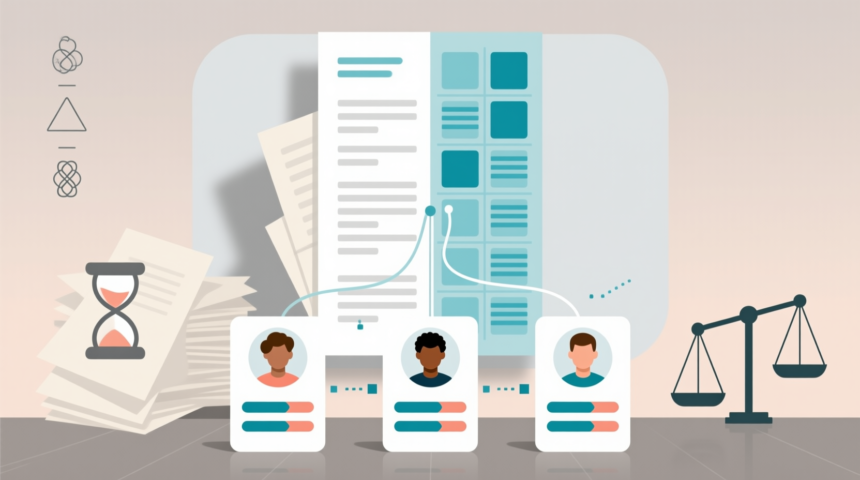
The recruiting field is challenging. New jobs are opening up at a faster rate than employers can fill them. It can often be challenging to find quality candidates with a ton of potential before another employer snaps them up. Fortunately, data-driven recruiting has proven itself to be an effective way of managing the massive amount of data collected during the recruitment process to make it quicker and easier than ever to find the right candidate at the right price. Let’s look at some of the challenges presented by the traditional recruiting model, and how data-driven recruiting helps streamline the process and make it more efficient than ever.

The Challenges

Traditional recruiting methodology limits the efficiency with which the data collected from previous recruiting efforts can be used for future planning. For example, applicant tracking systems have made it very easy to track hundreds of resumes that are submitted to open positions, narrow the choices down to a short list of candidates, and track relevant data like the time taken to fill a job or the costs incurred during the hiring process. Once a candidate is hired, however, the data in the applicant tracking system is isolated from the data in those systems dedicated to active employees. This means no correlation can be directly made between data collected during the hiring process, and the long-term fortunes of an employee once hired. This silo effect makes it difficult to determine if the recruiting process is working as expected or not.

More Read

First Look – SPSS PASW Decision Management Solutions
3 Companies That Highlight The Power Of Crowdfunding For VR
Living Without a Trace of Big Data
6 Social Media and Text Analytics Questions
Irony and WordPress.com advertising

How Data-Driven Recruiting Helps

By bringing together all your employee data from recruitment through hiring and into active employment, recruiters will have all the information they require to meet and exceed their company?s talent needs. By following employees throughout the entire employment life cycle, you will gain a better sense of what to look for in candidates and gain an understanding of what would make them a good or bad employee. Data points like employee turnover, the ratio of qualified to unqualified applicants, and characteristics shared by top talent can all help you home in on what the ideal candidate looks like. The analytics available in a data-driven recruiting methodology has other benefits, such as the ability to provide a more accurate estimate of the time it would take to hire candidates for specific positions. You can also track your pool of candidates to ensure that you’ll achieve your diversity goals. You can also use the information provided by data-driven recruiting to develop more accurate hiring plans that are in line with the current needs of your company. You can forecast employee turnover, make sure you stay within your recruiting budget and account for the movement of employees across departments. Big data can be a great way to create a more holistic workplace in general. Recruiting Magazine points out that is is important for helping maximize employee retention. Big data is also helpful for identifying future hiring needs.

Final Thoughts: Data Driven Recruiting is the Key to Solving Employment Challenges

If you want to create a winning strategy for your IT recruiting company that will attract better candidates, streamline the process, and ensure future success, data-driven recruiting is the way to go. By focusing on what helps and eliminating what doesn?t, you can develop a more efficient and effective process to attract the most driven and innovative candidates in your industry.


TAGGED:big databusiness analyticsbusiness intelligencedata analyticsdata driven hiringdata driven recruitinghiringrecruiting
Share This Article
Facebook Pinterest LinkedIn
Share
ByRyan Kh
Follow:
Ryan Kh is an experienced blogger, digital content & social marketer. Founder of Catalyst For Business and contributor to search giants like Yahoo Finance, MSN. He is passionate about covering topics like big data, business intelligence, startups & entrepreneurship. Email: ryankh14@icloud.com

Follow us on Facebook

Latest News

Best Age Estimation Software in 2026: Which Facial Age Providers Actually Hold Up -- AI-generated illustration
Best Age Estimation Software in 2026: Which Facial Age Providers Actually Hold Up
Artificial Intelligence Exclusive Machine Learning
Top 8 Multi-Cloud Architecture Tools for Automated Infrastructure Design in 2026 -- AI-generated illustration
Top 8 Multi-Cloud Architecture Tools for Automated Infrastructure Design in 2026
Cloud Computing Exclusive IT
6 Top Agentic SDLC Platforms for Enterprise Engineering Organizations -- AI-generated illustration
6 Top Agentic SDLC Platforms for Enterprise Engineering Organizations
Artificial Intelligence Exclusive
6 Best Runtime Intelligence Tools for Debugging AI-Generated Code in 2026 -- AI-generated illustration
6 Best Runtime Intelligence Tools for Debugging AI-Generated Code in 2026
Artificial Intelligence Exclusive

Stay Connected

1.2KFollowersLike
33.7KFollowersFollow
222FollowersPin

You Might also Like

bolster email deliverability
Big Data

4 Data-Driven Approaches To Bolster Email Deliverability

8 Min Read
data breaches and solutions
Best PracticesBig DataData ManagementPrivacy

Big Data is Causing A Surge of Data Breaches – Here Are Some Solutions

7 Min Read
china zip code business intelligence
Business IntelligenceBusiness RulesExclusive

How China’s Zipcode System Fuels Business Intelligence

7 Min Read
big data productivity
Business IntelligenceCollaborative DataCulture/LeadershipSocial Data

When Big Hearts Meet Big Data: 6 Nonprofits Using Data to Change the World

9 Min Read

SmartData Collective is one of the largest & trusted community covering technical content about Big Data, BI, Cloud, Analytics, Artificial Intelligence, IoT & more.

AI and chatbots
Chatbots and SEO: How Can Chatbots Improve Your SEO Ranking?
Artificial Intelligence Chatbots Exclusive
AI chatbots
AI Chatbots Can Help Retailers Convert Live Broadcast Viewers into Sales!
Chatbots

Quick Link

  • About
  • Contact
  • Privacy
Follow US
© 2008-26 SmartData Collective. All Rights Reserved.
Welcome Back!

Sign in to your account

Username or Email Address
Password

Lost your password?