At some point, most small and mid-sized companies outgrow their Enterprise Resource Planning (ERP) software and need to implement a new solution that’s more scalable and will meet their growing needs.
At the same time, the company may be relying on spreadsheets or a basic enterprise performance management (EPM) solution that needs to be upgraded as well. But which system should be upgraded first and how do you ensure minimum disruption to your business during the transition?
Why Is ERP Integration Important?
ERP software collects and organizes organizational data that helps to manage production, inventory, customers, shipping, etc. However, in order for the software to provide the greatest use, it needs to be able to integrate with other software applications, so it can share data with those applications and improve the overall accuracy of business decisions.
Integrating EPM and ERP Software
Enterprise performance management (EPM) software is another critical set of software applications. EPM software helps to organize financial and operational data, so businesses can streamline reporting and planning cycles and improve the efficiency of resource allocation within the business. Since EPM software is primarily intended to promote the allocation of finances, it needs to be integrated with ERP systems and others such as HCM and CRM.
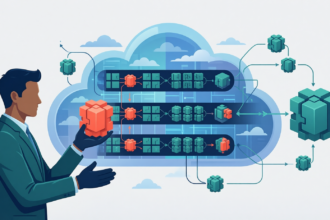
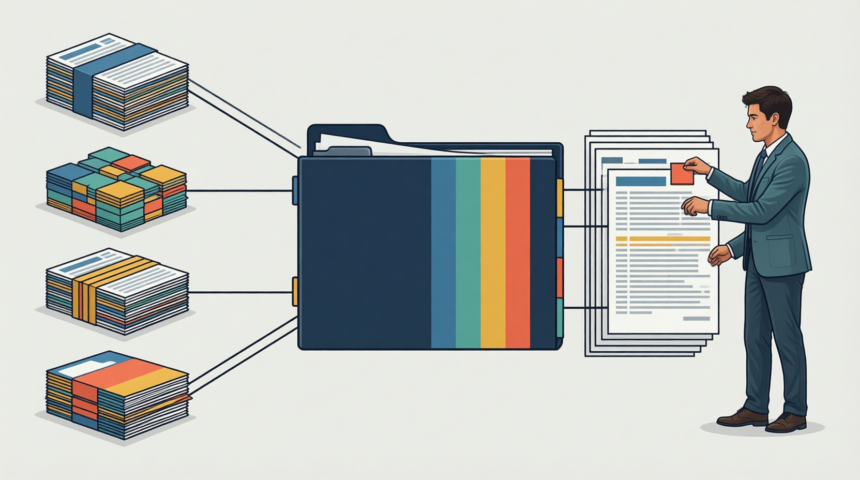
By integrating operational systems like these with EPM systems, businesses can consolidate financial and operational data into a single platform for reporting, planning and decision-making. In turn, day-to-day inventory and resource management decisions can rely on detailed operational data, while financial planning and forecasting can rely on summarized data from across the enterprise.
By integrating EPM with ERP and other systems, your enterprise can:
- Connect all data sources together into a single version of the truth,
- Increase the accuracy of resource management, planning, and allocation,
- Improve the quality and reliability of management information,
- And increase the efficiency of data management and analysis.
The two software applications create a necessary and mutually beneficial synergy that can fuel the accuracy and efficiency of business processes. You’ll be able to integrate all financial and operational data into one place, so business decisions and resource planning are based on the most accurate and complete view of your company.
Which Should be Implemented First – EPM or ERP?
Both software applications are undeniably important for a company. But back to the question raised earlier, which software should be implemented first to ensure a seamless upgrade and minimal disruption? EPM software is both easier and more efficient to implement, requiring as short as 3 months to roll out. ERP systems, on the other hand, are more complex and can take six to 12 months, requiring a much lengthier time-investment that’s more disruptive to business processes.
Upgrading ERP systems can be disruptive to many business processes, especially financial management, and reporting during the transition period. EPM software integrates data from single or multiple ERP systems and other sources for reporting and analysis. Because of this, and the speed of implementation, upgrading or implementing an EPM solution, before the ERP upgrade can be an effective way to ensuring consistent and accurate financial and management reporting during the ERP transition.
After the EPM software has been implemented, integrating the existing and new ERP systems is easy, as cloud-based EPM software enables seamless integration to on-premises and cloud-based ERPs, so it provides a level of continuity in reporting and planning – before, during and after the ERP upgrade.
ERP systems upgrades can be complex and disruptive. But by complementing and integrating ERP and other operational systems with EPM applications, you can have a single version of the truth for reporting, planning and decision-making. And upgrading or implementing an EPM solution, before an ERP upgrade can provide a stable, consistent platform for reporting and planning that helps minimize the disruption to critical management processes.
To learn more, read the whitepaper, Best Practices: ERP and Enterprise Performance Management.