A recent study from SDL indicated that 54% of millennials are willing to offer their personal data if it means that well-suited content and advertising will be more strategically customized to them.
Yes, that means that the majority of millennials are cool with sharing their digital identity data in exchange for an improved online experience. And this is quite the paradigm change.
In stark contrast to the security and privacy concerns being expressed by older generations (albeit very relevant ones indeed), the younger generations are coming around to the implications of data on our personal lives and, instead of a visceral reaction involving overprotection, these consumers very much seem to be opening their circle of trust to the brands they love.
Though, this doesn’t mean that there aren’t the good and bad guys in the field. In lieu of last week’s White House report on the dangers of data collection with a call-to-action for privacy standards from data brokers, the general public is paying closer attention to data rights, data usages and what the data-driven future just might look like, for better or worse.

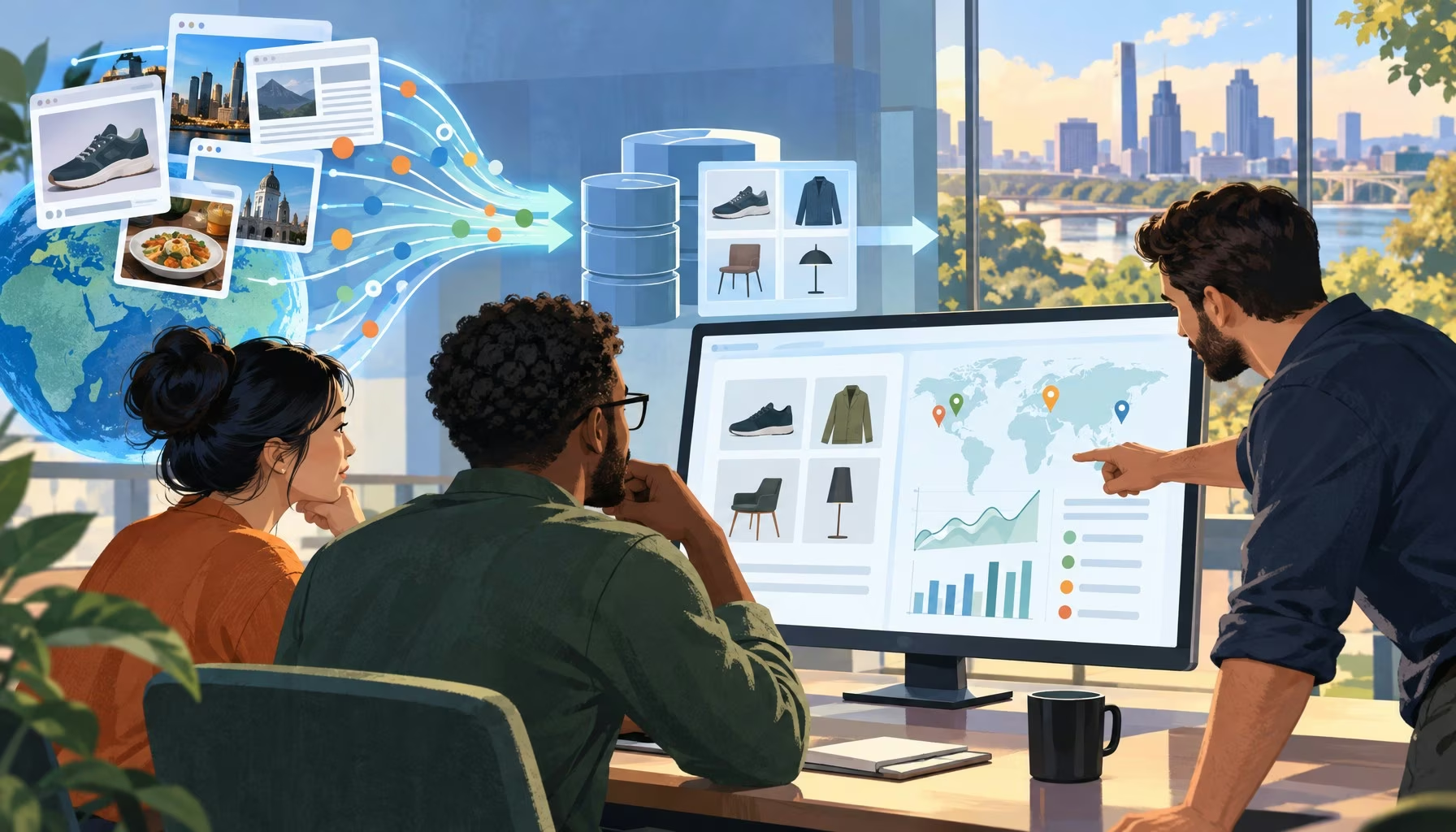
And just as consumers are privy to their own data intelligence, companies and brands are also jumping on the data train to claim ownership over their first-party data, learning now how to truly maximize their users’ information to foster a better relationship and a healthier digital ecosystem per the user’s request.
The Power of People-Based Data
First-party data is the data that companies respectfully collect and store, with the permission of their users. With this data, companies have means to immediately communicate with their audiences and customize a user’s experience based on identity information provided by that user. First-party data is the collection, then, of loyal user information by the brands that those users trust. It involves transparency, honesty and security in exchange for a better digital experience that affects both a user’s on and offline lives.
In the SDL study, skeptics expressed the belief, albeit often fact, that many digital companies will collect your data anyway, permission or not. Yet, despite the initial annoyances within the data collection industry, even the skeptics were willing to allow data collection under their own terms (meaning with their permission) as long as the advantage was more relevant content and advertising from their preferred brands.
Why are even skeptics open to this increased digital relevance? Because sketchy cookie-tracking practices on the web that allowed for targeted advertising have resulted in poor ad placement driven by Internet behavior rather than identity data. And, cookie-tracking has often been involuntary or hidden from many users as an opt-out option. The circle of trust here never existed, and the Internet’s ability to monetize was worse off for it.
Inside The Circle of Trust
Imagine now that you’ve established close relationships with a select few humans. You regularly communicate, tweet, drink, eat with these people. Let’s go ahead and call this a friendship, or your first-party friends. You like these people so much, that you’d love to be introduced to some of their connections with similar characteristics, because you’ll all just get along great.
Now imagine that one of these close friends has posted your picture and contact information to myspace, OKCupid and a few random, sketchy social networks. Suddenly, you’re being contacted by people you don’t know with offers and one-liners that confuse, offend or even frighten you. Now, you’re screening calls (spam) and writing off the friends who exposed your information to unqualified humans. That circle of trust? Broken!
Offline, this scenario is easy to avoid. And, when it happens, albeit annoying, you generally know how to resolve it. But, on the web, this simply isn’t the case — and merely turning off your cookies isn’t always going to be enough to protect you or your information from servers and sites that often fund the digital presence of the brands you love.
Instead, brands should be retaining valuable customer identity data and using it to find lookalike customers to build their audience, rather than selling once loyal customer information for profit. This isn’t just respectful — it’s a smart business practice that earns you long-term loyalty.
A Better Digital Ecosystem is Coming
The Internet of Things (IoT), while only in its early years, has already changed our lifestyles, our interactions and our purchasing habits in previously inconceivable ways. What is happening here is the merging of our physical and technological existences — creating our post-metapsychical selves, if you will.
In fact, with wearable tech taking off, social media sites becoming your resume and so much more, IoT is becoming more and more difficult to avoid (just ask this woman who hid her pregnancy from big data). And, to use a cliche we all know well, if you can’t beat ’em, join ’em.
nary, truly fascinating and truly remarkable thing.”
See, there is this fascinating transition occurring right now in which brands and retailers are becoming media companies. They are collecting and using their customers’ first-party data in order to create a boutique experience that caters to your needs, wants, likes and your overall personality.
That is, the Internet is going to start treating you like a person rather than a number. And this is a truly revolutionary, truly fascinating and truly remarkable thing.
And for millennials, this is the new way of the world, in which brands stay committed to making the relationship between brand and consumer a meaningful and mutually respectful one.
As for Umbel, in our mission to make data the most valuable asset that you own, we will continue to encourage companies to take ownership of this asset and create a digital ecosystem we can all be proud to call home.