Cloud computing and big data have been vying for the attention of business owners for several years now. Both initiatives are compelling, as big data analytics promises the potential of powerful new business insights, and cloud computing offers greater flexibility, productivity and cost-savings in running IT systems traditional on-premise systems.
Cloud computing and big data have been vying for the attention of business owners for several years now. Both initiatives are compelling, as big data analytics promises the potential of powerful new business insights, and cloud computing offers greater flexibility, productivity and cost-savings in running IT systems traditional on-premise systems. Each initiative on their own warrants the attention that has been given them, but it seems now the future lies in combining the two. In fact, a survey by GigaSpaces found that 80 percent of IT executives who consider big data processing important are considering moving their big data analytics into the cloud. What is causing this shift? There are three main reasons.
1. Both Markets are Maturing
When Hadoop first became available to enterprises, the focus was largely on the volume and types of data businesses can store. Now, businesses have moved past that to focus on what can be done with the data. It’s expected that business data will grow 800 percent from where it was in 2011 by 2015. In addition, the sources of the data are rapidly expanding beyond what is collected online to that found in intelligent systems, such as device sensors. With such rich data sources to draw from, businesses are focused on analyzing and deriving insights in marketing, product innovation and security that were hidden before.

Cloud computing has also matured with improvements to security and data integration, creating greater trust in the cloud model. In fact, a survey by Intel found that nearly two-thirds of companies are looking to start using the cloud in the next five years.
With the maturation of both initiatives, businesses have found that the cloud offers a scalable environment to run Hadoop and can be a viable option.
2. Cost-Effective
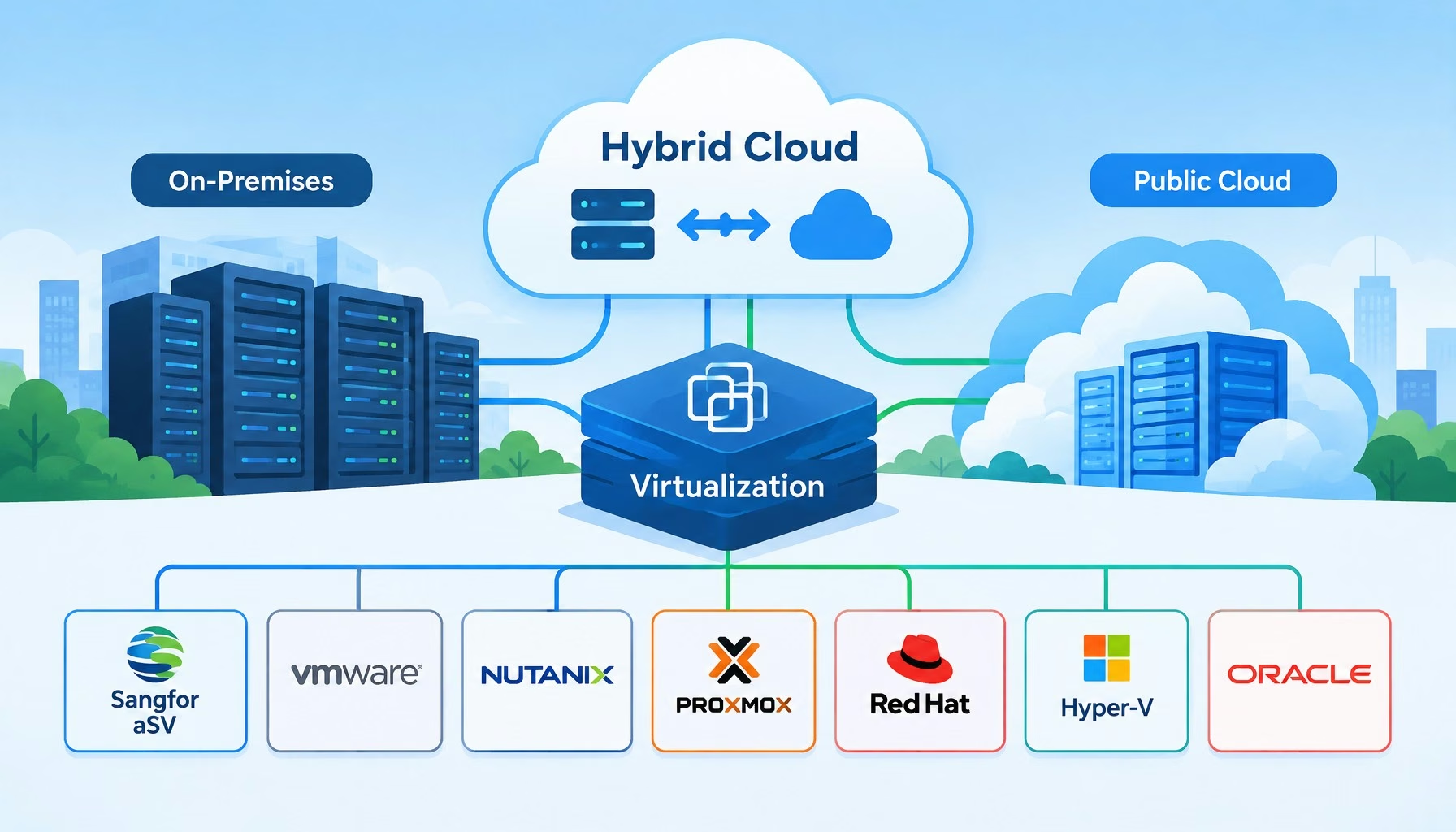
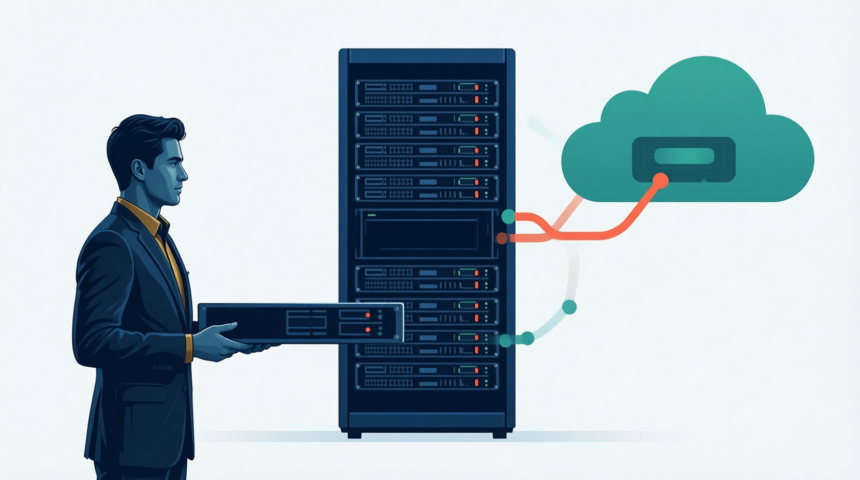
Developing an in-house data center and running big data analytics is an expensive endeavor. Large businesses looking to reduce costs or small businesses that can’t afford the upfront investment in hardware benefit from the efficiency and cost-effectiveness of a cloud-based solution. Large businesses can turn to a private cloud to save costs on in-house analysis and can supplement internal resources with the public cloud for on-demand storage space and short-term projects, so the company can scale up on-demand without having to invest in expanding its internal system. Small businesses can use a public cloud for storage and data analysis while only paying for what they use without the upfront or maintenance costs.
3. Scalable and Flexible
Many times businesses have critical projects that require more computing power than the current system is capable of processing. With an in-house solution, businesses would have to choose whether to pay to expand the system and run the risk of leaving that extra space empty most of the time or limiting the scope of the project to current computing capacity. And it takes time. With cloud computing, this would no longer be a problem. With a cloud service, businesses can scale up and down as their needs change and do so almost immediately, saving money and time.
With so much potential for increased productivity, flexibility and cost savings, it seems Hadoop’s and big data analytics’ future lies, at least in part, in cloud computing. How do you see these two initiatives evolving as the majority of businesses start to adopt them?