We use cookies, including third-party cookies from Google to serve personalized ads through AdSense, to operate this site and understand how it is used. By continuing to browse, you accept this use. See our Privacy Policy and Terms of Use for details, including how to opt out of personalized advertising.
Accept
SmartData CollectiveSmartData Collective
  • Analytics
    AnalyticsShow More
    What Kind of Problem-Solving Distinguishes Data Analysts From Software Engineers -- AI-generated illustration
    What Kind of Problem-Solving Distinguishes Data Analysts From Software Engineers
    7 Min Read
    chatgpt image jul 21, 2026, 04 34 30 pm
    4 Core Benefits of Predictive Maintenance after Vibration Analysis
    10 Min Read
    How Does Data Mining Boost Customer Satisfaction in Logistics? Harnessing Analytics for Results -- AI-generated illustration
    How Does Data Mining Boost Customer Satisfaction in Logistics? Harnessing Analytics for Results
    11 Min Read
    chatgpt image jul 13, 2026, 04 23 45 pm
    How Data Analytics Helps Companies Improve User Engagement
    19 Min Read
    chatgpt image jul 13, 2026, 03 59 46 pm
    How Data Analytics Improves Multi-Location Search Strategies
    10 Min Read
  • Big Data
  • BI
  • Exclusive
  • IT
  • Marketing
  • Software
Search
© 2008-25 SmartData Collective. All Rights Reserved.
Reading: Thinking Machines At Work: How Generative AI Models Are Redefining Business Intelligence
Share
Notification
Font ResizerAa
SmartData CollectiveSmartData Collective
Font ResizerAa
Search
  • About
  • Help
  • Privacy
Follow US
© 2008-23 SmartData Collective. All Rights Reserved.
SmartData Collective > Business Intelligence > Artificial Intelligence > Thinking Machines At Work: How Generative AI Models Are Redefining Business Intelligence
Artificial IntelligenceBusiness IntelligenceExclusiveInfographicMachine Learning

Thinking Machines At Work: How Generative AI Models Are Redefining Business Intelligence

From data patterns to boardroom strategy - how generative AI is becoming the ultimate business co-pilot, redefining what's possible in analytics.

Ryan Kh
Ryan Kh
3 Min Read
Generative AI models
Microsoft Stock Images
SHARE

Generative AI is no longer confined to research labs or experimental design tools. These models, capable of producing content, simulating scenarios, and analyzing patterns with unprecedented fluency, have rapidly become essential to how businesses interpret data and plan strategy. From automated content creation to synthetic forecasting, the range of applications continues to expand, each powered by large-scale data processing and deep learning frameworks.

Contents
  • Data That Writes, Draws, and Predicts
  • Speed, Scale, and Unlikely Insights
  • The Importance of Training Data

Data That Writes, Draws, and Predicts

At the heart of these systems is the ability to learn from vast datasets and generate entirely new outputs that follow the statistical logic of the information they were trained on. A financial report produced from raw earnings data, a visual prototype created from a text description, or a recommendation engine that reconfigures itself in response to shifting behavior all reflect the same underlying mechanism. While much public attention focuses on AI-generated text or images, use cases in business intelligence are gaining traction quickly. These models are now used to simulate supply chain disruptions, model customer journeys, and build adaptable forecasting systems.

Speed, Scale, and Unlikely Insights

Standard analytics can reveal what happened or is happening. Generative AI can simulate what might happen next. A logistics firm could use these tools to generate alternate transportation models that a human planner might never imagine. A healthcare network might detect patterns in patient communication or appointment behavior that suggest early signs of system inefficiency. These tools synthesize data at a scale far beyond human ability, delivering insights not through surface-level trends but through the correlation of thousands of subtle signals.

The Importance of Training Data

Outcomes are only as strong as the input. Generative AI training requires carefully curated data from reliable and diverse sources. The performance of any model depends not only on volume but also on balance. Businesses looking to deploy these systems must invest in training data that is current, comprehensive, and relevant to their goals. This is especially critical in fields such as financial forecasting or clinical diagnostics, where the consequences of poor predictions can be far-reaching.

More Read

Why CRM ain’t CRM if it isn’t Social
Here’s how to build on Business Analytics
Will Predictive Analytics and POS Save Small Retailers from Extinction?
The Role of IT in Business Discovery: Part 3
3 Ways to Adapt to the Shift Toward Online Privacy (Ethically, Nonetheless)

Generative AI does not replicate human reasoning. Instead, it creates an entirely different form of intelligence, one based on prediction, replication, and constant recalibration. It expands what is possible by processing more data, testing more scenarios, and surfacing patterns that often go unnoticed. For business leaders, the question is less about whether to use it and more about how to structure teams and systems around its capabilities. The future of business strategy will not be decided by intuition alone, but by the integration of fast-learning systems that reshape what decision-making looks like. For more information, look over the accompanying infographic.


TAGGED:AI modelsbusiness intelligenceGenerative AImachine learning
Share This Article
Facebook Pinterest LinkedIn
Share
ByRyan Kh
Follow:
Ryan Kh is an experienced blogger, digital content & social marketer. Founder of Catalyst For Business and contributor to search giants like Yahoo Finance, MSN. He is passionate about covering topics like big data, business intelligence, startups & entrepreneurship. Email: ryankh14@icloud.com

Follow us on Facebook

Latest News

Flat editorial illustration: The article’s core relationship is between growing compute density and adaptable rack hardware that
6 Details That Make a Data Centre’s Server Room Easier to Scale
Best Practices Data Management Exclusive IT
Flat editorial illustration: The article’s core relationship is a transfer of discipline from regulated laboratories to analytics
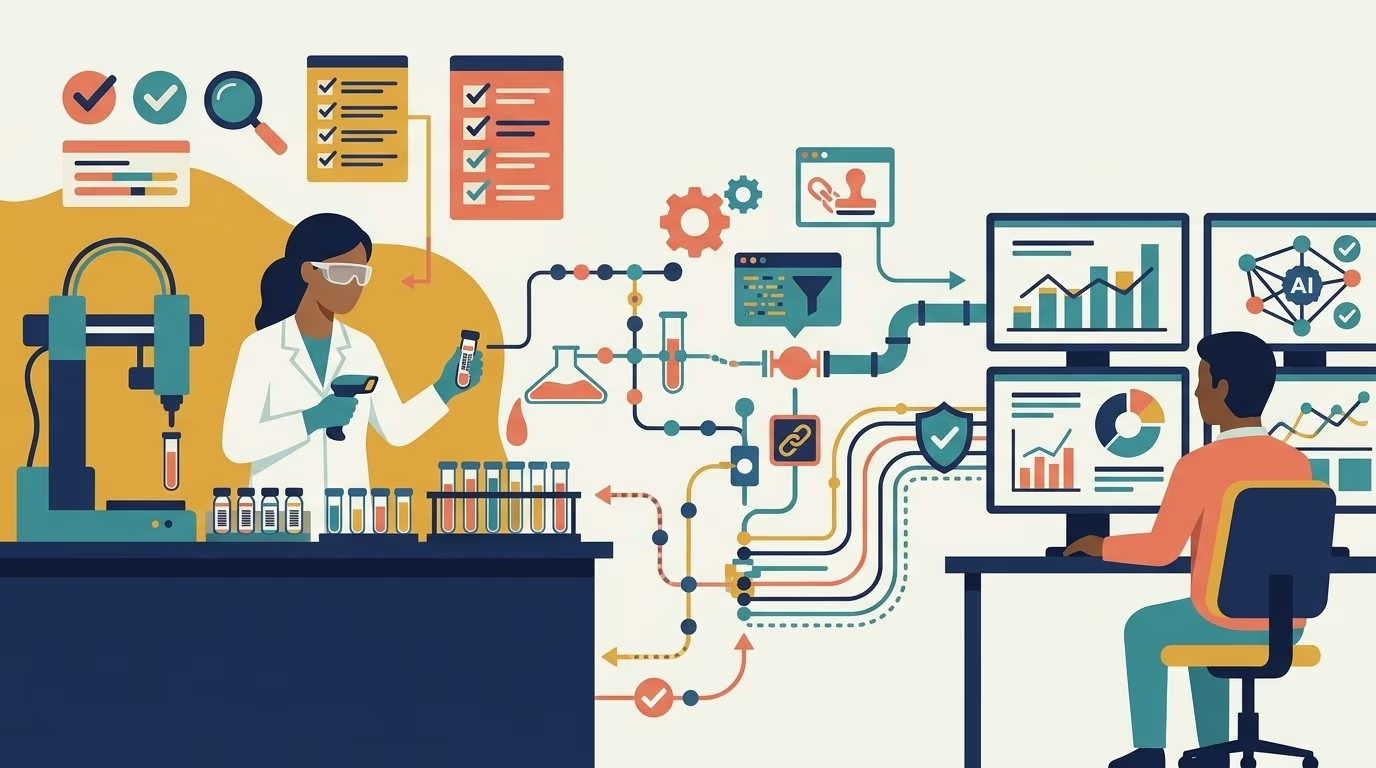
What Business Intelligence Teams Can Learn from Lab Data Governance
Business Intelligence Exclusive
Flat editorial illustration: A guaranteed reward can raise participation while skewing the respondent pool toward active customer
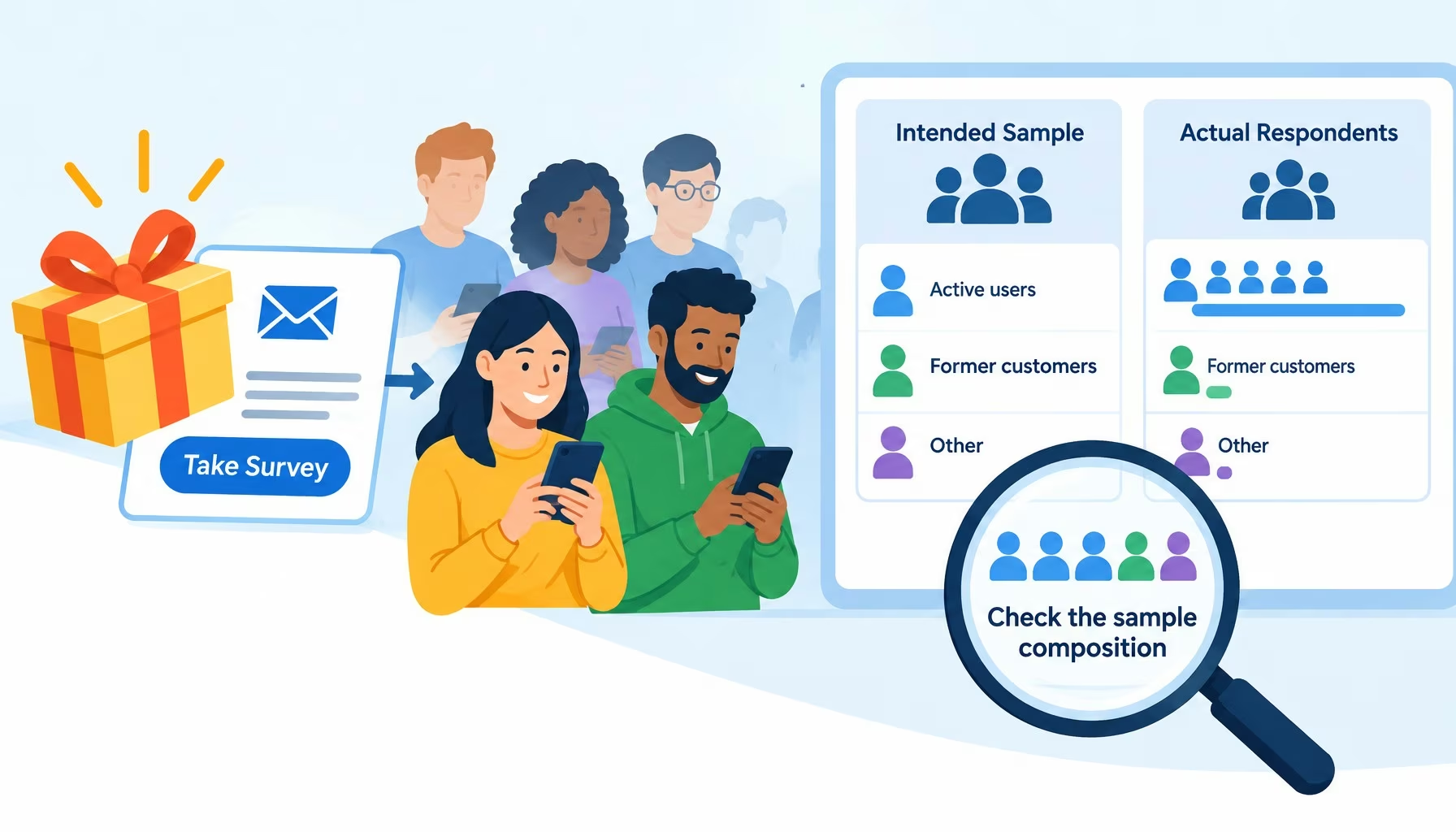
Incentive-Driven Response Bias: Auditing Sample Composition Before You Trust Survey Data
Big Data Data Quality Exclusive
Flat editorial illustration: The article’s core relationship is observable blockchain activity becoming a trustworthy business me
Blockchain Dashboards Need Better Definitions, Not More Charts
Blockchain Exclusive

Stay Connected

1.2KFollowersLike
33.7KFollowersFollow
222FollowersPin

You Might also Like

Advanced Analytics
Business IntelligenceData VisualizationPredictive Analytics

Advanced Analytics

10 Min Read
big data and business intelligence
AnalyticsBig DataBusiness Intelligence

Can Business Intelligence Answer the Questions Asked of it Without Big Data?

6 Min Read
Trends in Business Intelligence
Business IntelligenceData Warehousing

Trends in Business Intelligence

18 Min Read
Data Labeling Improves Machine Learning & AI Efficiency
Big Data

Data Labeling Improves Machine Learning & AI Efficiency

5 Min Read

SmartData Collective is one of the largest & trusted community covering technical content about Big Data, BI, Cloud, Analytics, Artificial Intelligence, IoT & more.

Chatbots and SEO: How Can Chatbots Improve Your SEO Ranking?
Artificial Intelligence Chatbots Exclusive
ai chatbot
How AI Website Chatbots Improve Customer Support and Lead Generation
Chatbots Exclusive

Quick Link

  • About
  • Contact
  • Privacy
Follow US
© 2008-26 SmartData Collective. All Rights Reserved.
Welcome Back!

Sign in to your account

Username or Email Address
Password

Lost your password?