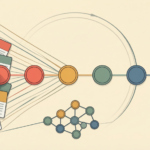
Negative publicity can spread quickly across digital channels. News articles, blog posts, social media discussions, and customer reviews can shape public perception within hours. Organizations that rely on data-driven decision-making increasingly treat media monitoring as an essential intelligence tool. Tracking media coverage allows companies to detect emerging reputation risks, measure sentiment, and respond with informed communication strategies.
Tracking Media Signals Through Data Collection
Modern media monitoring relies on automated data collection across multiple channels. News platforms, blogs, forums, and social networks produce large volumes of content that may reference a company, product, or executive team. Monitoring platforms gather this information continuously and organize it into searchable datasets.
Keyword tracking plays a central role in this process. Analysts create keyword groups based on brand names, product lines, industry terms, and leadership figures. The monitoring system scans digital sources for these terms and collects mentions in real time.
A social media monitoring service may also gather engagement metrics such as shares, comments, and reactions. These indicators help analysts determine how widely a story or criticism is spreading and whether it is gaining traction with online audiences.

Measuring Sentiment and Public Reaction
Raw media mentions alone provide limited insight. Sentiment analysis helps convert large volumes of text into measurable patterns. Natural language processing tools evaluate whether coverage appears positive, neutral, or negative.
Data analysts review these sentiment scores to detect shifts in public perception. A sudden increase in negative sentiment across multiple sources may indicate a developing reputation issue. Visual dashboards often display sentiment trends over time, allowing communication teams to see whether the situation is improving or worsening.
Engagement metrics add further context. High interaction levels on negative posts often signal a higher potential impact on public perception. These patterns help organizations determine whether a response is necessary and how quickly it should occur.
Identifying the Source of Negative Coverage
Not all negative publicity carries the same influence. Media monitoring tools allow analysts to evaluate where coverage originates and which voices are driving discussion. Major news outlets, industry publications, or high follower social accounts may amplify negative narratives more effectively than smaller sources.
Data classification helps organizations categorize coverage by source type, geographic region, or audience size. Analysts can then determine whether criticism is limited to a niche audience or reaching a broader population.
Influencer mapping can also reveal which individuals or organizations frequently shape public conversations within a specific industry. Monitoring their activity helps communication teams anticipate potential reputation risks.
Using Insights to Inform Response Strategies
Data-driven monitoring supports more thoughtful communication decisions. Instead of reacting to isolated comments, organizations can analyze patterns across multiple sources before responding publicly.
Trend analysis may show whether a negative story is gaining momentum or fading naturally. Communication teams often compare historical media patterns to evaluate the likely duration of coverage. Data can also highlight which topics generate the strongest audience reactions.
Organizations may adjust messaging strategies based on these insights. Responses may include clarifying statements, updated information, or engagement with stakeholders who influence the conversation.
Continuous monitoring also allows teams to measure how public sentiment changes after a response. If negative mentions decline or engagement decreases, analysts can infer that the communication strategy is helping stabilize perception.
Media monitoring has become a key component of business intelligence in a digital information environment. Data collection, sentiment analysis, and source evaluation allow organizations to identify reputation risks early and make informed communication decisions. Careful interpretation of these insights supports more effective management of negative publicity while helping companies maintain awareness of how their brand is discussed across public channels. Check out the infographic below to learn more.