The senior care industry is undergoing a massive transformation. The biggest trend that it is facing is the growing need for eldercare services. Big data and artificial intelligence technology is going to play an extremely important role in the near future in the future of senior care.
Artificial intelligence is expected to meet the growing needs of the elderly care industry
In 2017, the number of seniors over the age of 65 reached a record 1 billion people. This figure is going to more than double by 2050.
This is going to have tremendous implications for companies offering these services. On the one hand, they stand to grow their revenue substantially by taking advantage of the growing number of elderly people in need of assistance. On the other hand, they are going to face staggering challenges trying to keep up with the incredible demand.
Without radically restructuring of the approach to delivering senior care, it might be impossible to fill the necessary jobs. Senior care might not be the most exciting career path, which could make it difficult to encourage people to go into the profession. Also, seniors might be more concentrated in certain communities, such as Central Florida, which poses an issue finding enough workers.
More Read
Fortunately, new AI technology could alleviate many of these concerns. Companies that strive to provide better senior care can use machine learning, robotics and predictive analytics to better meet the needs of their residents without having to worry about a frustrating staffing shortage.
Caring Senior Advisor has shared some ways that AI will re-define the future of senior care.
New IOT devices will facilitate in-home senior care
The elderly care industry would not be sustainable in the years to come if all seniors had to seek refuge in a long-term senior home or assisted living facility. Of course, most people don?t want to pursue that option if it can be avoided anyways. They would rather live as independently as possible in their own home.
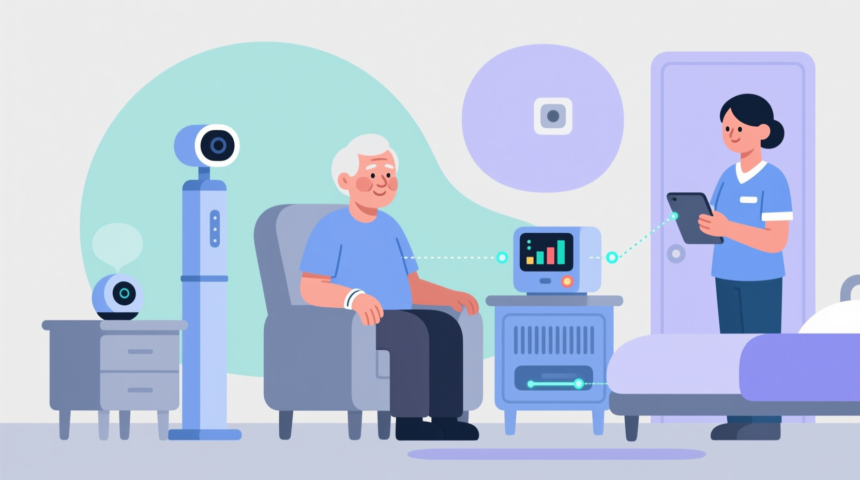
New developments in artificial intelligence have made this a more feasible option. Robotics are now available in homes, which can assume many of the responsibilities that traditional senior care workers would assume. The benefits of this are threefold:
- Artificial intelligence-driven robots reduce the need for human workers. This reduces the costs involved.
- Replacing traditional assisted-living employees with robots depending on AI avoids the concern that there won?t be enough to meet the growing needs.
- By enabling people to live in their own homes, this places less strain on assisted-living facilities.
Artificial intelligence should minimize some of these concerns in the years to come.
Addressing specific health risks facing seniors
Seniors face a growing number of health risks as they get older. Some of these risks are much more evident than others, but that does not mean that less publicized concerns aren?t equally dangerous. New AI devices are capable of handling a vast number of health risks that seniors face. One example of a problem that artificial intelligence is solving is helping seniors ensure they have adequate light at home. They use tools like Phillips Hue, which rely on machine learning to set the lights to the right level. They can figure out what level of light an individual senior will need and adjust for natural light at any given moment.
Cutting marketing costs
One of my colleagues has run digital marketing campaigns for a major senior living provider. They have discovered that machine learning can help improve the ROI of marketing in this industry in a number of ways. One of the best benefits is that it can track the conversions of website placements from media buying campaigns. This helps them make sure that their ads are automatically delivered to similar websites to increase the likelihood of getting conversions. Advertising providers like Propel Media also use machine learning to offer segment tracking features, which track users that have converted on other campaigns and use this data to make sure that certain pads are displayed to people that are most likely convert.