We use cookies, including third-party cookies from Google to serve personalized ads through AdSense, to operate this site and understand how it is used. By continuing to browse, you accept this use. See our Privacy Policy and Terms of Use for details, including how to opt out of personalized advertising.
Accept
SmartData CollectiveSmartData Collective
  • Analytics
    AnalyticsShow More
    What Kind of Problem-Solving Distinguishes Data Analysts From Software Engineers -- AI-generated illustration
    What Kind of Problem-Solving Distinguishes Data Analysts From Software Engineers
    7 Min Read
    chatgpt image jul 21, 2026, 04 34 30 pm
    4 Core Benefits of Predictive Maintenance after Vibration Analysis
    10 Min Read
    How Does Data Mining Boost Customer Satisfaction in Logistics? Harnessing Analytics for Results -- AI-generated illustration
    How Does Data Mining Boost Customer Satisfaction in Logistics? Harnessing Analytics for Results
    11 Min Read
    chatgpt image jul 13, 2026, 04 23 45 pm
    How Data Analytics Helps Companies Improve User Engagement
    19 Min Read
    chatgpt image jul 13, 2026, 03 59 46 pm
    How Data Analytics Improves Multi-Location Search Strategies
    10 Min Read
  • Big Data
  • BI
  • Exclusive
  • IT
  • Marketing
  • Software
Search
© 2008-25 SmartData Collective. All Rights Reserved.
Reading: Connectivity Disrupting Traditional Models: Online Peer to Peer Commerce
Share
Notification
Font ResizerAa
SmartData CollectiveSmartData Collective
Font ResizerAa
Search
  • About
  • Help
  • Privacy
Follow US
© 2008-23 SmartData Collective. All Rights Reserved.
SmartData Collective > Business Intelligence > Business Rules > Connectivity Disrupting Traditional Models: Online Peer to Peer Commerce
Business RulesMarketing

Connectivity Disrupting Traditional Models: Online Peer to Peer Commerce

mfauscette
mfauscette
5 Min Read
Connectivity Disrupting Traditional Models: Online Peer to Peer Commerce
Photo by kaboompics on Pixabay (https://pixabay.com/photos/technology-laptop-keyboard-computer-791029/)
SHARE

As the world became more connected through the Internet in the 1990’s, many disruptive uses of this connectivity were tried and in some cases have grown into wildly successful businesses. One aspect of connectivity is the way it opens up interaction at different levels, that’s one of the driving factors in the growth of the social web, for example. Ebay and PayPal are stellar examples of new business models that exist only because of the Internet and that leveraged the ability to connect individuals in peer to peer relationships (and also support BtoB and BtoC). The Internet bubble saw many new businesses try to leverage this connectivity in new and unique ways, some succeeded, many did not.

We’re now seeing another round of businesses and business models that creatively leverage hyper-connectivity to disrupt established business models. Look at Warby Parker for example. Warby Parker is disrupting the eye glass business through leveraging the Internet, some unique technology and a new approach to the supply chain. Until now common wisdom said that selling eye glasses online would not work, customers wanted to try them on and experience them in person. Because of the business model, complex multi-tiered supply chain and a general complacency with the pricing, prices were held high. Enter Warby Parker with trendy in-house designs, a direct from the manufacturer supply chain, a fixed price ($95 including frame, lens, anti-reflective coating), virtual try-on (with an uploaded or web cam photo), free shipping, at home try-on / return and a few select in person try-on counters in major cities.

Leveraging connectivity in peer to peer transactions to build a new business model is increasingly popular. The basic idea, “you have high value stuff that you don’t use all the time, so you could monetize it through micro-transactions in a peer to peer network builds off of the original ebay sales model and the social web. High value items like apartments, rooms and cars are finding their way into online networks like AirBnB and Zilok. This approach has been termed collaborative consumption, and is a very green alternative as well as very cost effective for both parties. Collaborative consumption explores many different economic models including sharing, bartering, swapping, trading and renting. The business provides the network, the structure, security, policies, and back office processing generally for a small percentage of the transaction. AirBnB is so disruptive to traditional hotels that the hotel lobby in NYC is working to have the practice made illegal. Currently businesses are in a few categories including short term accommodations, car rental, financial lending and “stuff” rental / sharing. Here are some of those businesses:

  Another twist on the peer to peer model is using the p2p network to gather group buying leverage. Wholeshare, for example, establishes a food purchasing network and allows those groups to connect to and buy directly from food producers instead of grocery stores. The key of course is getting to a quantity through the group that meets wholesale volume restrictions. As a member you save money while getting fresher food.

As you can see from the list above the model is exploding across several areas.  I’d think we’ll see more innovative uses for P2P models this year, demonstrating again the power of the network in an increasingly connected world.

Tags: commerce, P2P, peer to peer, rental, business models, disruption

Share This Article
Facebook Pinterest LinkedIn
Share

Follow us on Facebook

Latest News

Flat editorial illustration: The article's core relationship is workload-by-workload decision-making for cloud migration, where s
Which Workloads Should Move to the Cloud?
Cloud Computing Exclusive IT
Flat editorial illustration: The article positions data governance as a strategic board-level concern rather than a purely techni
Why Data Governance Is Becoming a Board-Level Business Priority
Big Data Exclusive Policy and Governance
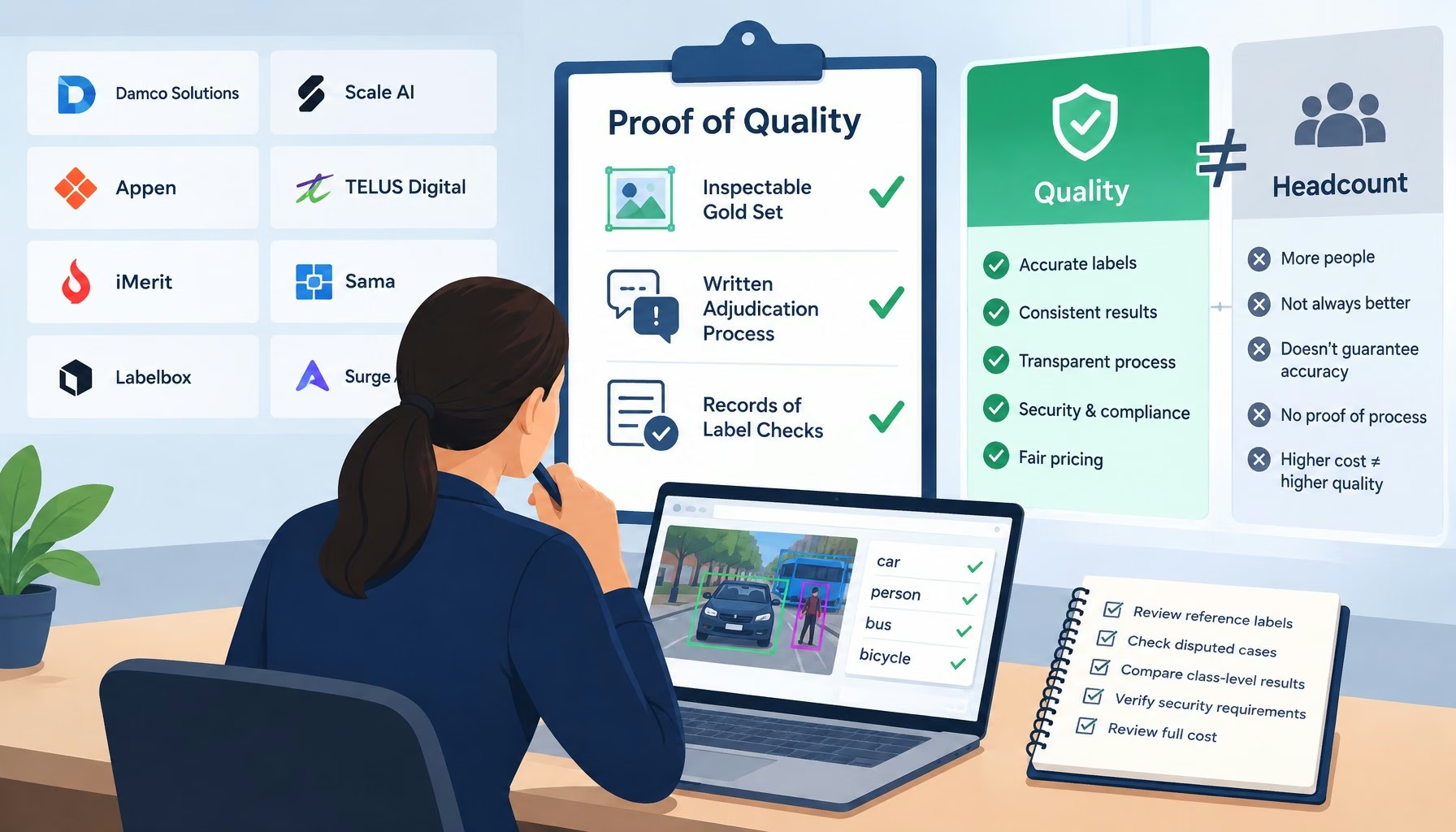
Flat editorial illustration: The article argues that data annotation quality should be measured by inspectable gold sets, written
The Top Data Annotation Companies Are Separated by Proof of Quality, Not Headcount
Big Data Exclusive
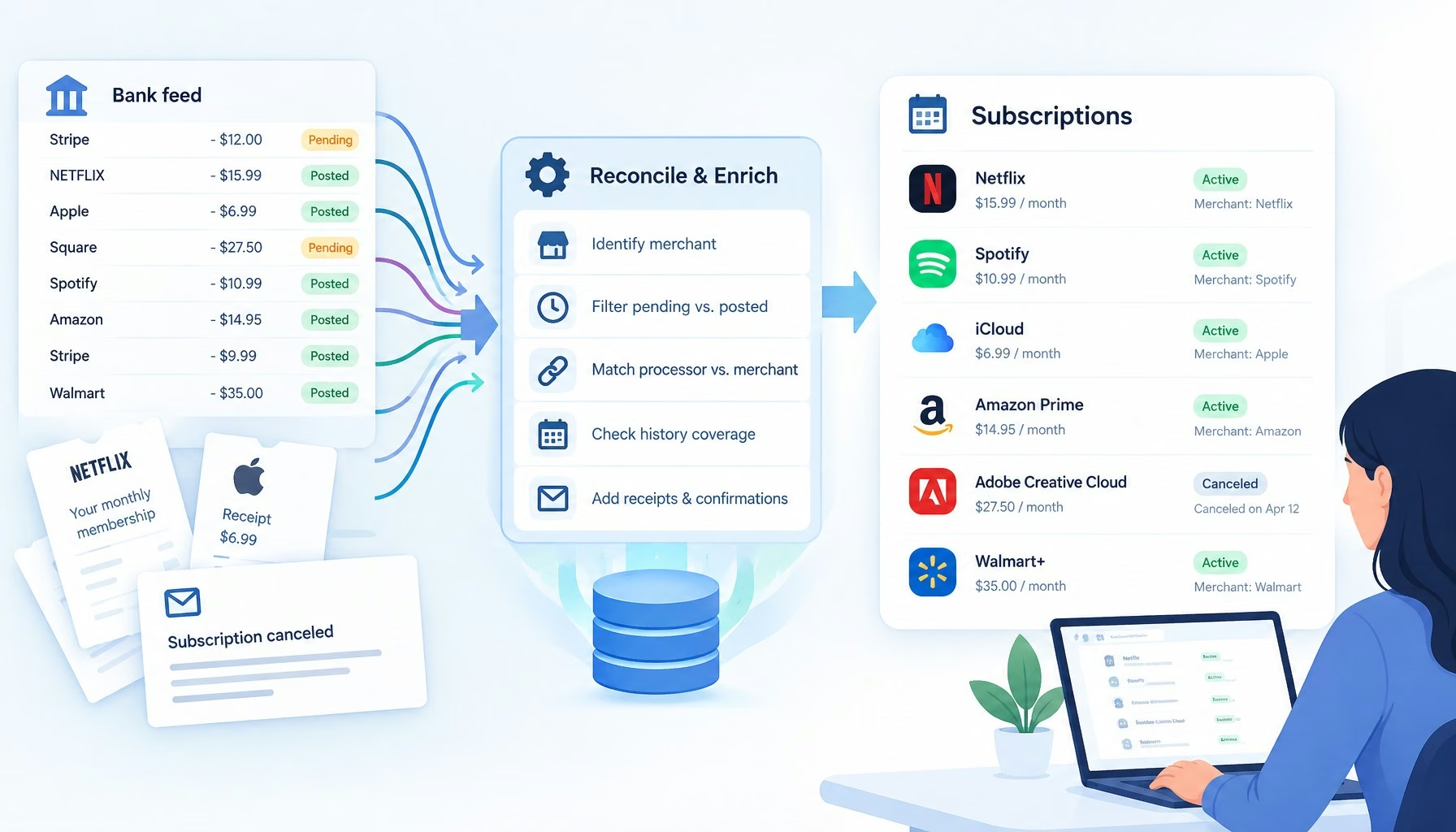
Flat editorial illustration: The article's core relationship is the gap between raw bank-feed records and reliable subscription i
Subscription Trackers Have a Transaction Data Problem
Big Data Exclusive

Stay Connected

1.2KFollowersLike
33.7KFollowersFollow
222FollowersPin

You Might also Like

Self-Service BI Customers Are Not All the Same (Part 1)
Business IntelligenceMarket ResearchMarketing

Self-Service BI Customers Are Not All the Same (Part 1)

4 Min Read
data analytics use in marketing
Analytics

5 Ways Data Analytics Sets a New Standard for Revenue Marketing

6 Min Read
5 Insights Your Traditional Data Won't Tell You
Big DataMarketingWorkforce Data

5 Insights Your Traditional Data Won’t Tell You

6 Min Read
How Data Is Helping Sports Teams Increase ROI, Even in Off-Season
Best PracticesBig DataBusiness IntelligenceData ManagementMarket ResearchMarketingSocial Data

How Data Is Helping Sports Teams Increase ROI, Even in Off-Season

7 Min Read

SmartData Collective is one of the largest & trusted community covering technical content about Big Data, BI, Cloud, Analytics, Artificial Intelligence, IoT & more.

ai chatbot
How AI Website Chatbots Improve Customer Support and Lead Generation
Chatbots Exclusive
From Bolts to Bots: How AI Is Fortifying the Automotive Industry
Artificial Intelligence

Quick Link

  • About
  • Contact
  • Privacy
Follow US
© 2008-26 SmartData Collective. All Rights Reserved.
Welcome Back!

Sign in to your account

Username or Email Address
Password

Lost your password?