We use cookies, including third-party cookies from Google to serve personalized ads through AdSense, to operate this site and understand how it is used. By continuing to browse, you accept this use. See our Privacy Policy and Terms of Use for details, including how to opt out of personalized advertising.
Accept
SmartData CollectiveSmartData Collective
  • Analytics
    AnalyticsShow More
    What Kind of Problem-Solving Distinguishes Data Analysts From Software Engineers -- AI-generated illustration
    What Kind of Problem-Solving Distinguishes Data Analysts From Software Engineers
    7 Min Read
    chatgpt image jul 21, 2026, 04 34 30 pm
    4 Core Benefits of Predictive Maintenance after Vibration Analysis
    10 Min Read
    How Does Data Mining Boost Customer Satisfaction in Logistics? Harnessing Analytics for Results -- AI-generated illustration
    How Does Data Mining Boost Customer Satisfaction in Logistics? Harnessing Analytics for Results
    11 Min Read
    chatgpt image jul 13, 2026, 04 23 45 pm
    How Data Analytics Helps Companies Improve User Engagement
    19 Min Read
    chatgpt image jul 13, 2026, 03 59 46 pm
    How Data Analytics Improves Multi-Location Search Strategies
    10 Min Read
  • Big Data
  • BI
  • Exclusive
  • IT
  • Marketing
  • Software
Search
© 2008-25 SmartData Collective. All Rights Reserved.
Reading: A Mouse With His Head In The Clouds – Can Cloud Computing Help the Studios Help Themselves
Share
Notification
Font ResizerAa
SmartData CollectiveSmartData Collective
Font ResizerAa
Search
  • About
  • Help
  • Privacy
Follow US
© 2008-23 SmartData Collective. All Rights Reserved.
SmartData Collective > Uncategorized > A Mouse With His Head In The Clouds – Can Cloud Computing Help the Studios Help Themselves
Uncategorized

A Mouse With His Head In The Clouds – Can Cloud Computing Help the Studios Help Themselves

TeradataExperts
TeradataExperts
7 Min Read
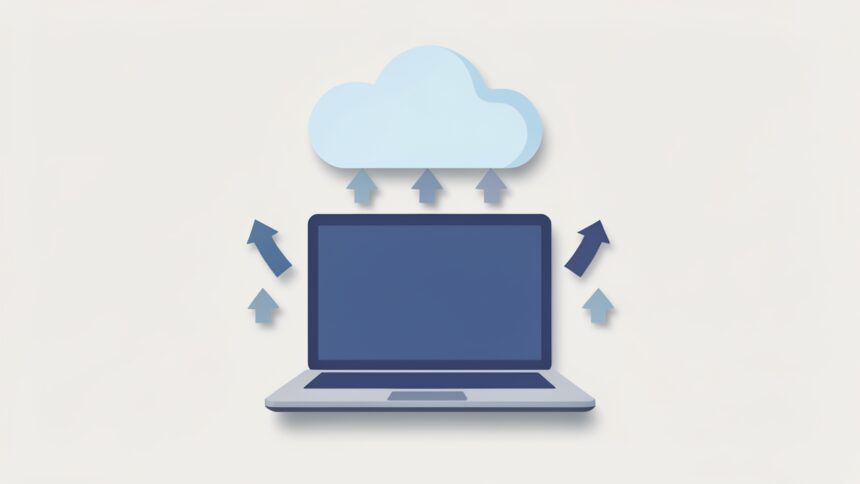
A Mouse With His Head In The Clouds - Can Cloud Computing Help the Studios Help Themselves
Illustration generated with FLUX.2 [klein 4B] via Cloudflare Workers AI.
SHARE

I woke up a couple of weeks ago to earth-shattering news. Everything I thought, knew, endorsed about the pace of change in Media & Entertainment was being rattled. Yes, the studios were becoming agents of digital change. After being dragged, kicking and screaming for the past decade, the studio heads themselves were doing more than acknowledging the need to embrace “multi-platform” delivery. Incredibly, they were looking to pioneer it.


Don’t tell my friends at Home Entertainment divisions across this fair city, but the DVD business is something of a downer. Sure, the discs will be around for years to come, but, hey, my mother still buys music cassettes, and that doesn’t make it a viable business model.

Disney has caught on.

More Read

Book Review: Trust Agents
Data Governance and the Coke Machine Syndrome
Gamification Must Drive Software Ergonomics
Is Your First Name Really an Indicator of Success?
Trends in Logo Design: Understanding the Evolutionary Nature of Logos and Web 2.0

After what seemed like years of internal industry rumblings about “cyber-lockers” and “Keychests,” Disney announced plans to launch their own Keychest initiative by Q3 of 2010. Even more shocking, they acknowledged the decision would not make them any money—repeat: not make money—for at least 5 years. And, they were determined to move on this face of this.

I’ve blogged about the Keychest concept before. A “keychest” allows a consumer of content—you—to buy a license to consume (read: watch) a piece of content across multiple channels for a single price. So, you get your file download, mobile and VOD versions for a single unit cost. It’s revolutionary, and what customers are demanding.

As one of my favorite past- bosses—and one of the industry’s most respected thinkers—likes to say, “The Devil is in the Details.” While the Keychest model needs to evolve, the technical, business and philosophical hurdles are significant. But, we’ve come a long way already.

I’ve been at the “digital content” thing a long time. My first venture in the space began in 1998, when the world connected to the internet via 56K dial-up modems, if anything at all. My little company’s vision: to deliver original and syndicated children’s content online, monetized through e-commerce-based sales of licensed merchandise. Sounds like a semi-viable business idea today. We were a bit, um, early then. Thank goodness, this was the height of the dot-com boom, and little else mattered, except that we had cool office space South-of-Market, and used saw-horses for desks. We were early, too, on more than just the technology front—at that time, major studios and content owners didn’t think/care/believe that the distribution of content online would entice consumers.

More recently, in my last life prior to joining Teradata, I oversaw digital media content management and distribution for a major company, servicing almost all of the major studios (from onesies/twosies encodes to petabytes of data in the form of thousands titles under digital storage) looking to engage in the brave new media world. I joined that company seven years ago and we were still early. Over time, infrastructure massively improved, encoding and transcoding technologies evolved, storage became cheap-ish, and Steve Jobs hopped in the picture. Still, I remember not too long ago trying to explain to Studio execs why they should consider delivery to mobile.

Waning businesses can make funny things happen. Here we are now, and another perfect storm is forcing the industry to shift, despite its conservative leanings. Plummeting DVD sales, entitled consumers (like me), open-minded leadership and broad adoption of a not-so-new technology concepts are the catalysts.

What’s the not-so-new concept marvel? The Cloud. Technologists around the globe are enamored with the idea of a nebulous, universally accessible content and data store. Widespread adoption of and comfort with notions of cloud computing, for everything from storage to application processing, is making frightening change more palatable and achievable for many industries. Company’s with predominant on-site data and/or storage business models—like Teradata, even—are delivering cloud-based offers and services. And, for lots of companies—or, more accurately, for specific business within those companies—a cloud-based model makes sense.

Whatever is driving the change, it’s about time for the Studios start leading the charge. Fulfilling the Keychest’s promise is more than any single entity can do alone. A network of partners—from content owners, preparers, packagers, delivery networks, security services—will need to engage as a finely tuned machine. I admire the Mouse for taking this on. Disney’s always been a purveyor of fantasy. Here’s to the Keychest as a revolutionary reality!


Colleen Quinn

Link to original post

TAGGED:cloud computing
Share This Article
Facebook Pinterest LinkedIn
Share

Follow us on Facebook

Latest News

Flat editorial illustration: The article connects fragmented social-service records through shared pathways and selective informa
Turning Disconnected Information Data Into Better Social Service Outcomes
Big Data
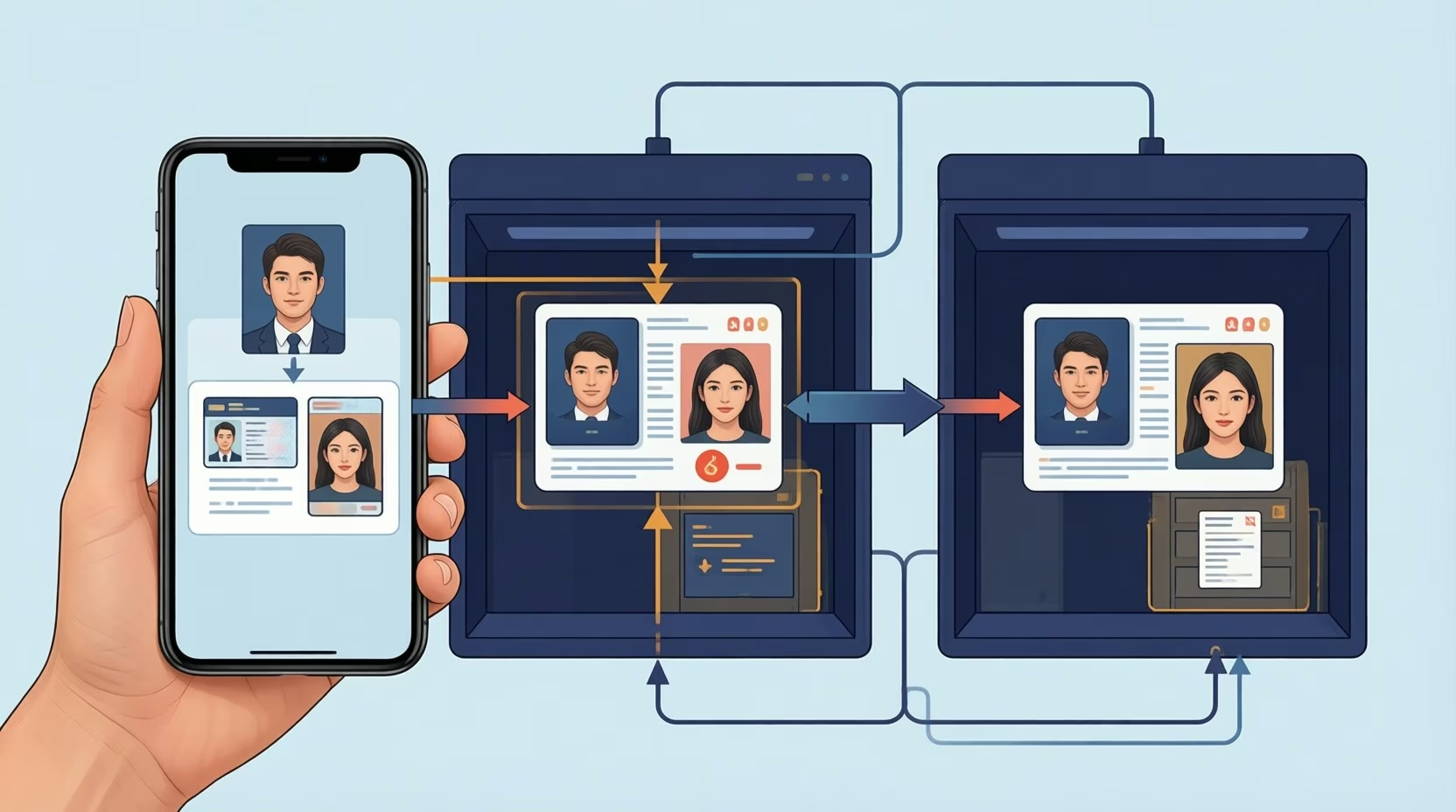
Flat editorial illustration: The article explains how one KYC upload becomes separate records held by a verification vendor and a
What Happens to My KYC Data Behind the Approval Screen?
Big Data Exclusive
Flat editorial illustration: The article connects AI-generated avatar variants with disciplined, measurable video experiments. A
How to Use an AI Avatar Generator to Run Measurable Video Experiments
Artificial Intelligence Exclusive
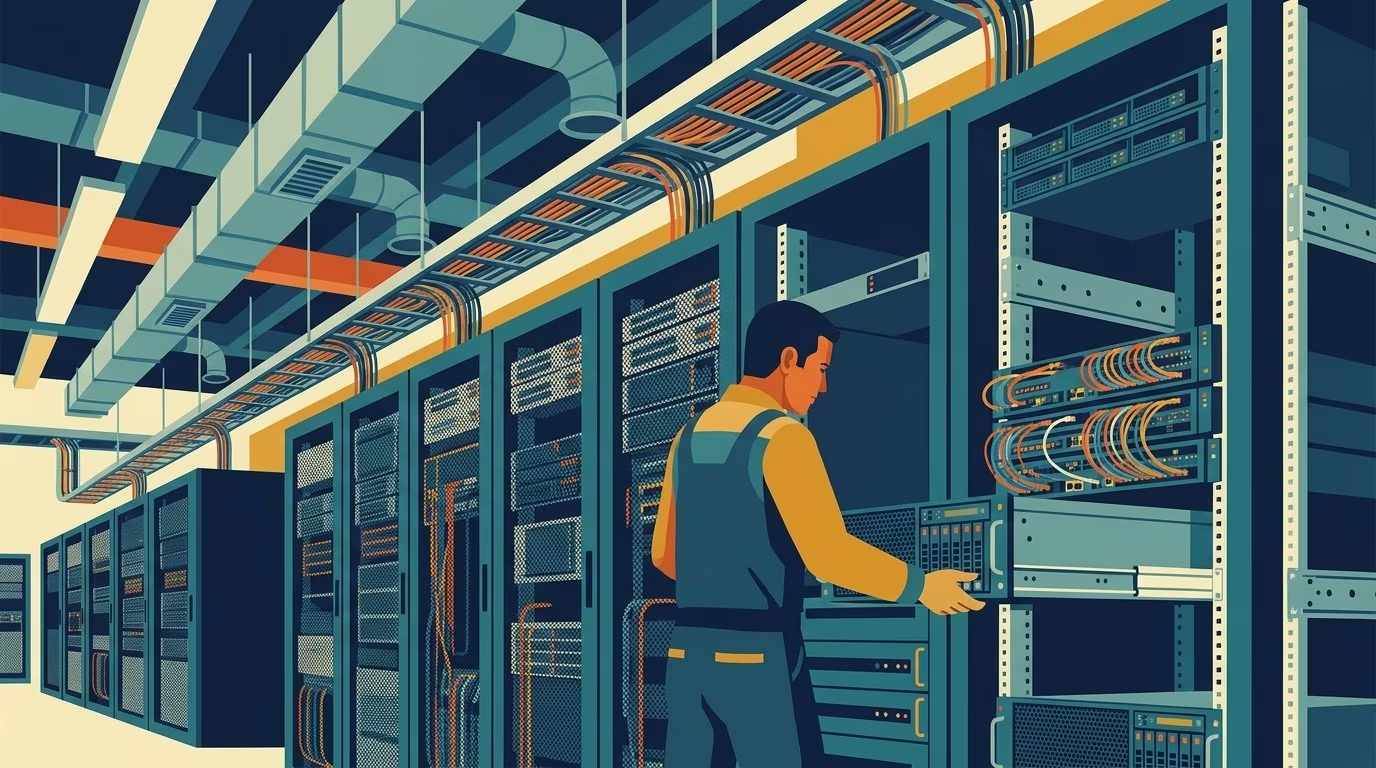
Flat editorial illustration: The article’s core relationship is between growing compute density and adaptable rack hardware that
6 Details That Make a Data Centre’s Server Room Easier to Scale
Best Practices Data Management Exclusive IT

Stay Connected

1.2KFollowersLike
33.7KFollowersFollow
222FollowersPin

You Might also Like

Disaster Recovery in Cloud Computing
Cloud Computing

Disaster Recovery in Cloud Computing

5 Min Read
Pros And Cons of Initial Coin Offerings Over the Cloud
Cloud Computing

Pros And Cons of Initial Coin Offerings Over the Cloud

8 Min Read
5 Reasons Why Your Organization Should Store Data in the Cloud
Cloud Computing

5 Reasons Why Your Organization Should Store Data in the Cloud

9 Min Read
Flat diagram of a cloud core with elastic workload streams for streaming, analytics and customer services showing variable capacity scaling.
Cloud Computing

12 Well-Known Companies Who Have Moved to the Cloud

11 Min Read

SmartData Collective is one of the largest & trusted community covering technical content about Big Data, BI, Cloud, Analytics, Artificial Intelligence, IoT & more.

The Art of Conversation: Enhancing Chatbots with Advanced AI Prompts
Chatbots
Chatbots and SEO: How Can Chatbots Improve Your SEO Ranking?
Artificial Intelligence Chatbots Exclusive

Quick Link

  • About
  • Contact
  • Privacy
Follow US
© 2008-26 SmartData Collective. All Rights Reserved.
Welcome Back!

Sign in to your account

Username or Email Address
Password

Lost your password?