We use cookies, including third-party cookies from Google to serve personalized ads through AdSense, to operate this site and understand how it is used. By continuing to browse, you accept this use. See our Privacy Policy and Terms of Use for details, including how to opt out of personalized advertising.
Accept
SmartData CollectiveSmartData Collective
  • Analytics
    AnalyticsShow More
    chatgpt image jul 21, 2026, 04 34 30 pm
    4 Core Benefits of Predictive Maintenance after Vibration Analysis
    10 Min Read
    How Does Data Mining Boost Customer Satisfaction in Logistics? Harnessing Analytics for Results -- AI-generated illustration
    How Does Data Mining Boost Customer Satisfaction in Logistics? Harnessing Analytics for Results
    11 Min Read
    chatgpt image jul 13, 2026, 04 23 45 pm
    How Data Analytics Helps Companies Improve User Engagement
    19 Min Read
    chatgpt image jul 13, 2026, 03 59 46 pm
    How Data Analytics Improves Multi-Location Search Strategies
    10 Min Read
    cybersecurity efforts
    How Behavioral Analytics and AI Are Redefining Cybersecurity for Boca Raton Businesses
    14 Min Read
  • Big Data
  • BI
  • Exclusive
  • IT
  • Marketing
  • Software
Search
© 2008-25 SmartData Collective. All Rights Reserved.
Reading: Can Predictive Analytics Prevent Tax Evasion?
Share
Notification
Font ResizerAa
SmartData CollectiveSmartData Collective
Font ResizerAa
Search
  • About
  • Help
  • Privacy
Follow US
© 2008-23 SmartData Collective. All Rights Reserved.
SmartData Collective > Analytics > Predictive Analytics > Can Predictive Analytics Prevent Tax Evasion?
AnalyticsBig DataExclusivePredictive Analytics

Can Predictive Analytics Prevent Tax Evasion?

Ryan Kh
Ryan Kh
5 Min Read
Can Predictive Analytics Prevent Tax Evasion?
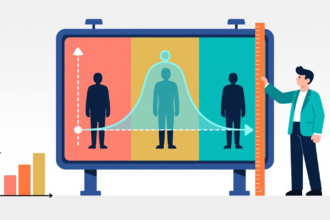
Illustration generated with Qwen Image.
SHARE

Tax evasion is a growing concern in the United States. As politicians like Bernie Sanders and Alexandria Ocasio-Cortez try to encourage more people to demand scaling the size of the government, the risk of tax evasion could rise as more people try to abstain from paying higher taxes. The IRS is already under pressure to deal with tax cheats.

The IRS has started investing in predictive analytics tools to minimize the risk of tax fraud. They obviously haven’t provided details on the approaches they take to identify tax cheats, but independent auditors, accountants and data scientists have made some very astute educated guesses.

Is Predictive Analytics the Solution to Fighting Tax Evasion?

There are a lot of factors that the IRS uses in its fraud detection algorithms. Sometimes, they can identify fraud beyond an affirmative doubt. In other instances, they must analyze risk profiles of likely offenders and conduct audits.

A lot of the research on the use of predictive analytics to combat tax evasion has been conducted overseas. S.Kishore Babu of the Andhra Loyola Institute of Engineering & Technology College in India published a white paper on this topic last year. The paper pointed out that the Gaussian Regression Process is an effective solution to fight tax evasion.

More Read

The Hegemony of Large Numbers – Ignoring Common Sense
More on Forecasting Benchmarks
Examples of Using Kanban Boards with Data Visualization Tools
The Trouble with Big Data
Ideas for avoiding Big Data failures and for dealing with them if they happen

Babu said that a number of factors are built into these algorithms. The first and most important variable is the estimated taxes the government should be collecting. They must use historical accounting records as a basis for future tax revenue. While this wasn’t directly discussed in Babu’s paper, they probably also also use GDP growth multipliers to make predictions of the revenue governments should bring in the future.

Discussion on the use of predictive analytics by the IRS has been more speculative than that of overseas tax authorities. However, a number of experts have shared some insights.

Meta Brown, a business analytics writer for Forbes, went into detail on some of these models. SAS founder Jim Goodnight also said that the IRS is using SAS products to identify instances of tax fraud. Goodnight didn’t provide detailed insights on the models that the IRS uses, but his announcement was one of the most informative of any expert on the topic, because he was able to confirm part of their system for fighting tax evasion.

“The IRS is using us for fraud detection. So we have the number one fraud detection, for credit card fraud where we help make a decision whether or not to accept the charge, we score it based on previous patterns of usage. Notice that is a completely different thing that they’re doing – those are incredibly complex models that we use. Neural network models that have 600 variables in them so it’s quite complex. Fraud is definitely our biggest growth area right now,” Goodnight stated.

While this excerpt from Goodnight’s interview sounds more like a marketing campaign, it does show some important details about the IRS’s predictive analytics tools. He says that they are using neural networks and have several hundred variables that they track to expose tax cheats.

What are those variables in their predictive analytics models? We may never know. But they likely include the following variables that the IRS acknowledges play a role in their decision to make audits:

  • Not filling out an EIN application in time
  • Self-employment status
  • The likelihood that a Social Security Number is stolen
  • Whether an individual has been audited in the past
  • applying for the EITC
  • Declaring business losses multiple years in a row
  • Allegations of illicit sources of revenue (such as drug trafficking)
  • The number of times they moved
  • Posting details on social media suggesting they make more money than they are reporting on their tax returns (yes, the IRS is tracking social media activity)

All in all, predictive analytics may hold the key to avoiding tax evasion. Governmental agencies may rely more and more on predictive analytics to ensure that citizens are paying their fair share, and to prevent potential rule-breakers from going astray.P


TAGGED:big datapredictive analytics
Share This Article
Facebook Pinterest LinkedIn
Share
ByRyan Kh
Follow:
Ryan Kh is an experienced blogger, digital content & social marketer. Founder of Catalyst For Business and contributor to search giants like Yahoo Finance, MSN. He is passionate about covering topics like big data, business intelligence, startups & entrepreneurship. Email: ryankh14@icloud.com

Follow us on Facebook

Latest News

Illustration of mobile analytics dashboards with ad performance charts connected to backend databases
11 Best Sisense Alternatives for Embedded Analytics
Business Intelligence Exclusive
Analyst points at colorful circular data dashboard on screen - information technology business metrics
How Fragmented Workplace Tech Undermines Reliable Business Metrics and Reporting
Cloud Computing Exclusive Infographic IT
Using Multi-Source Data and Analytics to Detect Operational Drift Across Franchise Networks -- AI-generated illustration
Using Multi-Source Data and Analytics to Detect Operational Drift Across Franchise Networks
Exclusive Infographic
Beyond The First Impression: The Long-Lasting Impact Of Sensory Marketing -- AI-generated illustration
Beyond The First Impression: The Long-Lasting Impact Of Sensory Marketing
Infographic Marketing

Stay Connected

1.2KFollowersLike
33.7KFollowersFollow
222FollowersPin

You Might also Like

Differentiating Between Data Lakes and Data Warehouses
Data Lake

Differentiating Between Data Lakes and Data Warehouses

7 Min Read
The Role of Data Structures and Algorithms in Software Development
Big DataDevelopmentExclusive

The Role of Data Structures and Algorithms in Software Development

6 Min Read
The Low-Down On Using Data Science And Statistics In Advertising
Big DataMarketing

The Low-Down On Using Data Science And Statistics In Advertising

6 Min Read
A Look at Today’s White House Big Data Event
Business IntelligenceCulture/LeadershipData MiningPolicy and Governance

A Look at Today’s White House Big Data Event

3 Min Read

SmartData Collective is one of the largest & trusted community covering technical content about Big Data, BI, Cloud, Analytics, Artificial Intelligence, IoT & more.

From Bolts to Bots: How AI Is Fortifying the Automotive Industry
Artificial Intelligence
AI chatbots
AI Chatbots Can Help Retailers Convert Live Broadcast Viewers into Sales!
Chatbots

Quick Link

  • About
  • Contact
  • Privacy
Follow US
© 2008-26 SmartData Collective. All Rights Reserved.
Welcome Back!

Sign in to your account

Username or Email Address
Password

Lost your password?