We use cookies, including third-party cookies from Google to serve personalized ads through AdSense, to operate this site and understand how it is used. By continuing to browse, you accept this use. See our Privacy Policy and Terms of Use for details, including how to opt out of personalized advertising.
Accept
SmartData CollectiveSmartData Collective
  • Analytics
    AnalyticsShow More
    What Kind of Problem-Solving Distinguishes Data Analysts From Software Engineers -- AI-generated illustration
    What Kind of Problem-Solving Distinguishes Data Analysts From Software Engineers
    7 Min Read
    chatgpt image jul 21, 2026, 04 34 30 pm
    4 Core Benefits of Predictive Maintenance after Vibration Analysis
    10 Min Read
    How Does Data Mining Boost Customer Satisfaction in Logistics? Harnessing Analytics for Results -- AI-generated illustration
    How Does Data Mining Boost Customer Satisfaction in Logistics? Harnessing Analytics for Results
    11 Min Read
    chatgpt image jul 13, 2026, 04 23 45 pm
    How Data Analytics Helps Companies Improve User Engagement
    19 Min Read
    chatgpt image jul 13, 2026, 03 59 46 pm
    How Data Analytics Improves Multi-Location Search Strategies
    10 Min Read
  • Big Data
  • BI
  • Exclusive
  • IT
  • Marketing
  • Software
Search
© 2008-25 SmartData Collective. All Rights Reserved.
Reading: Here’s Why Python Is The Top Programming Language For Big Data
Share
Notification
Font ResizerAa
SmartData CollectiveSmartData Collective
Font ResizerAa
Search
  • About
  • Help
  • Privacy
Follow US
© 2008-23 SmartData Collective. All Rights Reserved.
SmartData Collective > Business Intelligence > Artificial Intelligence > Here’s Why Python Is The Top Programming Language For Big Data
Artificial IntelligenceBig DataBlockchainBusiness IntelligenceData ManagementData MiningData QualityData ScienceData VisualizationHadoopITMachine LearningUnstructured Data

Here’s Why Python Is The Top Programming Language For Big Data

Richard
Richard
6 Min Read
Here's Why Python Is The Top Programming Language For Big Data
Illustration generated with Qwen Image.
SHARE

Packt Publishing, publisher of software learning resources, has revealed the results of its 2018 Skill Up survey in a new report—including the top programming language for data.

Contents
  • Here are some of the key findings from Packt’s report:
  • Python Continues Its Ascension As The Top Dog
  • The Top Libraries, Tools, and Frameworks of Data
  • What Is The Next Big Thing In Data?
  • SOME MORE INSIGHTS:

From what programming languages, frameworks, and libraries are most used, to job satisfaction and what it’s like to work in the software industry today, the report offers a snapshot of what matters to software developers in 2018.

Here are some of the key findings from Packt’s report:

  • Python is the most widely used programming language by data professionals and is leaving behind its traditional rival R, which lags behind it in third place.
  • Python once again is at the top of the list of what data specialists said they are planning on learning in the next 12 months.
  • Microsoft Excel continues to be a highly popular tool for data analysis, especially when dealing with data with hundreds and thousands of records.

Now, let’s look at these observations in more depth.

Python Continues Its Ascension As The Top Dog

Python has once again been voted the number one language of data. It has over double the uptake of its traditional rival R, which lags behind it in third place.

More Read

Here's How Big Data Is Revolutionizing GPS Technology
Here’s How Big Data Is Revolutionizing GPS Technology
Physical AI: What Data Do You Need to Train a Robot?
Recipes for success?
11 Parallels Between Architecture and Interface Design
The Role of IT Consulting for Data-Driven Businesses

Python is easier to learn than R. R can definitely be tackled, but Python is more optimal to learn if you’re newer to programming. The fact that an easier language is ranking similarly in popularity to R shows just how quickly the field is growing and opening up to newcomers. (On the other end of the spectrum, it’s worth noting that once you grasp the foundations of R, you’ll have an easier time figuring out the more complex levels of it. As a result, advanced programmers often favor R.)

Python’s ease of use, powerful tools and libraries, and use outside of the data field make it almost mandatory to know and use in 2018.

Top responses regarding which languages were used with Python were SQL, JavaScript, and HTML/CSS. Python is particularly flexible to use alongside other languages.

Unsurprisingly, 52% of Python developers claimed that they were in a full-time job. So developers out there, if you’re well versed with Python, you’re more likely to be hired.

Talking about job roles, developers who responded held the role of full-stack developers (34%) or back-end developers (29%) while 14% were data scientists and 11% were data analysts.

Python is a language that is still gaining popularity every year. It offers great job security, but also has a large learning curve that many developers struggle to tackle. The good news is that there are a number of resources that can help you learn Python.

The Top Libraries, Tools, and Frameworks of Data

Microsoft Excel continues to be a highly popular tool for data analysis, especially when dealing with data with hundreds and thousands of records. Almost 53% of the respondents prefer having Excel in their analysis toolkit for their day to day tasks.

As per the survey results, eight of the top ten most used data tools are derived from or utilize Python. Python finds a wide adoption across all spectrums of data science – including data analysis, machine learning, deep learning, and data visualization.

What Is The Next Big Thing In Data?

  • Python, once again, is the most popular language which data specialists are planning to learn in the next 12 months.
  • In our survey, we found deep learning to be one of the most valuable skills to have for any data scientist.

SOME MORE INSIGHTS:

  • Interest in PyTorch neatly follows on from the rise of NLP. Built by Facebook, PyTorch is a powerful neural network library that’s making incredibly sophisticated deep learning systems accessible to engineers and data scientists.
  • Natural language processing is currently one of the most important areas in data science.
  • Sixty-six percent of respondents said that they were incorporating deep learning techniques into their data analysis. Having embraced the power and potential of machine learning, the industry is now pushing even further into neural networks and machine intelligence outside of the lab.
  • Pushing machine learning algorithms further and further is going to be one of the key challenges for every data professional over the next year and beyond. For some, this will mean getting deeper into the complexities of incredibly sophisticated AI systems. For others, especially those starting out in data analysis, becoming acquainted with deep learning – via TensorFlow – will be an important step into deep learning.
  • Spark is known to be the best data platform out there that allows you to process huge amounts of data at immense speed and has already taken over from Hadoop.
  • Data professionals view Blockchain as revolutionary, and 74% of respondents working in Data were in favor of a Blockchain revolution – more than both app developers and web developers.
  • Fifty percent of the respondents say that the worst part of data analysis is cleaning data.
TAGGED:big databig data languageData Sciencepython
Share This Article
Facebook Pinterest LinkedIn
Share
ByRichard
Follow:
Richard Gall is co-editor of the Packt Hub. He’s interested in politics, tech culture, and how software is being used by modern businesses.

Follow us on Facebook

Latest News

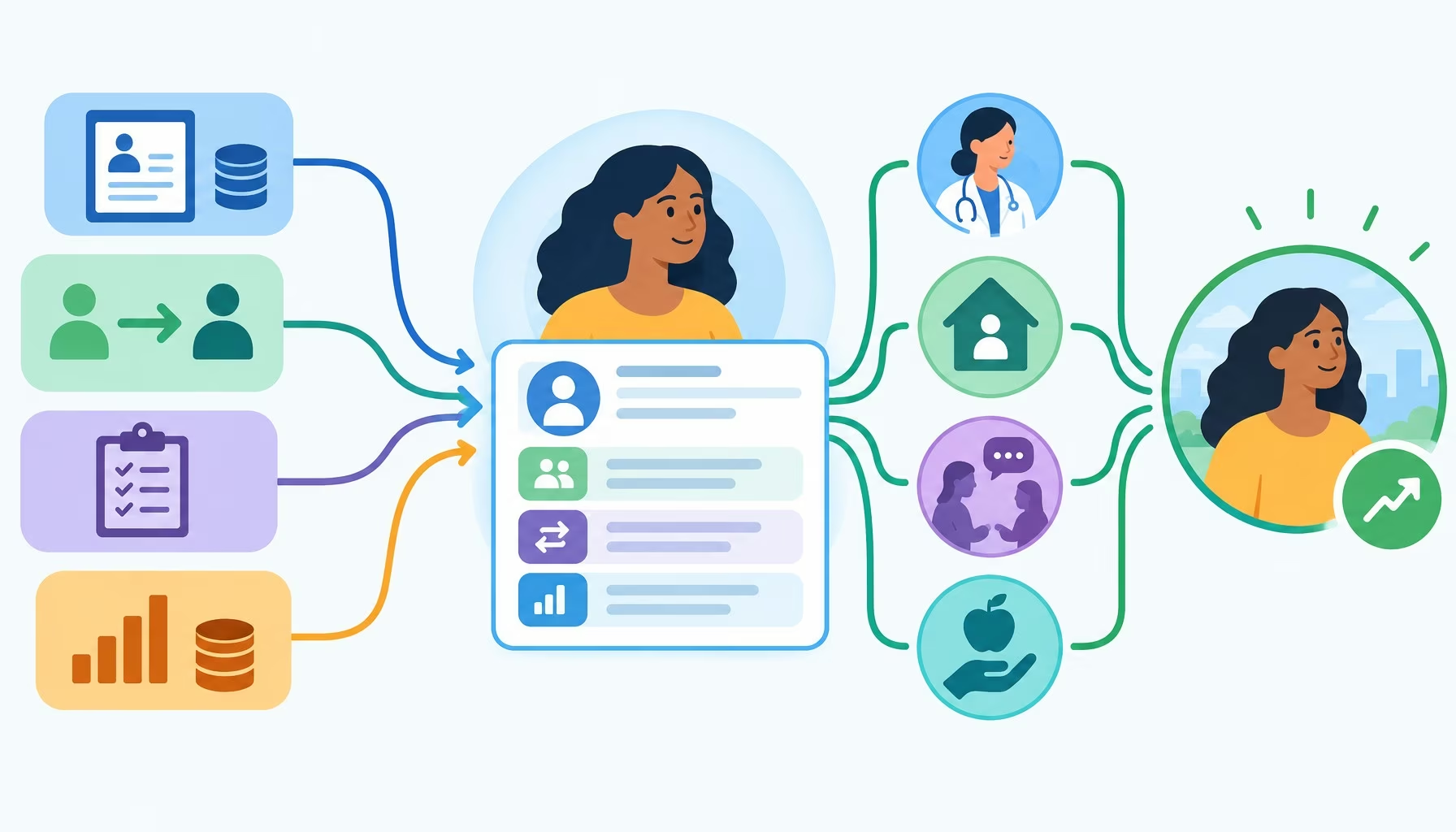
Flat editorial illustration: The article connects fragmented social-service records through shared pathways and selective informa
Turning Disconnected Information Data Into Better Social Service Outcomes
Big Data
Flat editorial illustration: The article explains how one KYC upload becomes separate records held by a verification vendor and a
What Happens to My KYC Data Behind the Approval Screen?
Big Data Exclusive
Flat editorial illustration: The article connects AI-generated avatar variants with disciplined, measurable video experiments. A
How to Use an AI Avatar Generator to Run Measurable Video Experiments
Artificial Intelligence Exclusive
Flat editorial illustration: The article’s core relationship is between growing compute density and adaptable rack hardware that
6 Details That Make a Data Centre’s Server Room Easier to Scale
Best Practices Data Management Exclusive IT

Stay Connected

1.2KFollowersLike
33.7KFollowersFollow
222FollowersPin

You Might also Like

Data Careers That Make a Positive Impact on the World
Data Science

Data Careers That Make a Positive Impact on the World

8 Min Read
Freelancers Use Big Data To Streamline Cryptocurrency
Big Data

Freelancers Use Big Data To Streamline Cryptocurrency

7 Min Read
big data and games matching
Big DataExclusive

How Big Data Can Improve Multiplayer Game Matching

6 Min Read
Data Storage On The Back Burner As Big Data Takes Over
Big DataData CollectionExclusive

Data Storage On The Back Burner As Big Data Takes Over

5 Min Read

SmartData Collective is one of the largest & trusted community covering technical content about Big Data, BI, Cloud, Analytics, Artificial Intelligence, IoT & more.

5 Great Tips for Using Data Analytics for Website UX
Big Data
ai chatbot
How AI Website Chatbots Improve Customer Support and Lead Generation
Chatbots Exclusive

Quick Link

  • About
  • Contact
  • Privacy
Follow US
© 2008-26 SmartData Collective. All Rights Reserved.
Welcome Back!

Sign in to your account

Username or Email Address
Password

Lost your password?