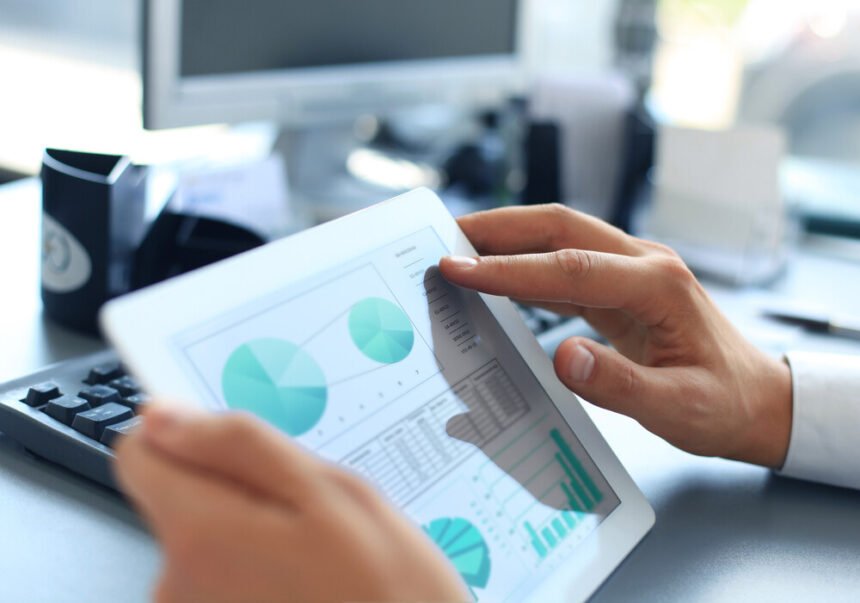
You’ve probably seen the term “big data“. This refers to gigantic amounts of digital information and the analytics tools used to extract it. Data analytics plays a vital role in virtually every field from criminology and government to finance and environmental research. Big data is used to identify patterns, make predictions, and otherwise dissect and examine useful info.
Data analytics plays an essential role in healthcare. Data analytics with medical devices can change the logistics of healthcare delivery.
In the not so distant future, smart medical devices will be able to deliver more effective, comprehensive, personalized, and automated solutions across the board to both patients and health care providers. This may sound like a line from a science fiction novel, but the reality is that medical device engineering and advanced analytics are already beginning to merge.
Look at DAQifi, NeuroLife, EluciData, and Battelle as examples of brands merging big data and medical engineering. EluciData, for example, is an analytical engine using the same pattern recognition and machine learning methods used in national security to collect and analyze medical data from records, body sensors, billing, and diagnostics.
Here are just six of the broad innovations on the horizon with data analytics on medicine’s side:
1. Smart Devices
Automated drug delivery, daily health guidance, and chronic disease management could all be possible with mHealth apps and smart medical devices capable of capturing and analyzing live data. These devices would allow physicians and patients alike to better understand the factors impacting health day-to-day and better apply thusly needed treatments.
Drug dosages are perfect examples. Dosage for most medications vary based on environmental factors, activity, diet, major weight changes, and secondary health issues. It’s impossible for doctors to account for all these factors on a daily basis. Many primary care physicians have trouble broadly factoring mere pieces of such info in during a quarterly or annual appointment for medication renewals.
Automated smart devices can provide real time analysis after bringing all the relevant data together from an array of sources – weather reports, sensors and implants, lab and diagnostic reports, diet tracking app, medical records, and such.
2. Smart Imaging And Diagnostics
Image diagnosticians have to be highly skilled and have copious amounts of data for interpretation. Analyzing data is still a slow process that’s subject to human interpretation errors.
Data analytics and machine learning could help the devices themselves recognize abnormal scans, thereby increasing accuracy, reducing human error, reducing delay, and allowing for medical personnel to instantaneously identify any abnormalities or changes from previous testing.
3. Neurosensing and Neuro-bypass
The brain processes trillions of bits of information per second. Neurosensing and data analytics can work together to help patients with brain injuries and defective nervous systems find and decode meaningful signals so that the signals can be connected to a prosthetic or assistive device.
Neural-bypass tech, such as by NeuroLife, already bypasses damaged parts of the nervous system for the patient to control a device that stimulates movement in fingers. Think of what this could mean on a larger scale.
4. Predictive Analytics
Imagine how many lives could be saved by predicting heart attacks beforehand. Data analytics paired with medical sensors could make that a reality. Medical devices could predict adverse outcomes of all sorts before they occur, providing advanced warning to both the patient and health care provider.
The device would look for subtle changes that are associated with major health events and issue an alert to the primary physician for immediate examination.
5. Smart Individualization
While there are some universal factors that determine disease development and progression, many disease processes are also highly individualized because there are so many variables that can influence how a disease progresses and its responsiveness to treatment. Using big data sections for individual biochemistry, genetic characteristics, environmental influences, and lifestyle, researchers can determine how particular patients are likely to respond to treatment. In turn, healthcare providers can make more educated decisions and individualized care plans.
This can also be applied to help manufacturers conduct in-depth clinical trials to understand how a given device benefits or harms specific groups of patients based on their lifestyle, health, secondary diseases, and genetic profiles.
6. Value Quantification
It’s difficult to quantify a medical device’s value without a great deal of effort, especially for smaller clinics, hospitals, and long-term care facilities.
Data analytics can make it easy to put ‘added value’ in relatable terms to cost. Many medical facilities are applying value-based purchasing to their financial bottom lines because of changes to Medicare and Medicaid reimbursement. These entities need to be able to compare and quantify the reward vs cost of adding/keeping certain therapies, services, and devices.
As you can see, merging data analytics with medical device technology to create a new ‘smart’ design frontier has benefits across the board – manufacturers, patients, providers, and facilities. The next revolution in health care will be data-driven. The only question is which developers will be leading the charge and which will be eating dust.
Data Analytics is the Future of Healthcare
Data analytics and smart devices are changing the nature of healthcare in remarkable ways. They enable doctors to provide more accurate diagnoses at lower costs. What new smart devices will hit the market in the next few years?