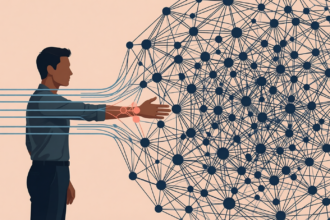
Marketing and customer service, as a whole, are full of patterns, but those patterns are often difficult to discern through the masses of data and repetitive interactions that make up the day. What’s a busy representative to do? The key is to make all of that data into something easily discernible and actionable.
Drawing on client scheduling data and CRM notes, businesses can predict future customer behavior and get ahead of the trends, pitching products or rescheduling appointments. Predictive analytics is at the heart of great customer service.
Setting The Schedule
It’s a prime annoyance at doctor’s offices or other service settings: canceled appointments. And while most clients are fairly reliable, there are some you can count on to no-show without notice, slowing the whole office down. But what if you could predict which patients aren’t going to show up?
Now using data from past appointments, doctor’s offices (and other businesses) can pinpoint patients likely to no-show and schedule them accordingly. That might mean double-booking that one spot, choosing a busy time where there are plenty of other things to do, or scheduling them at the end of the day to short circuit office-wide backups. It’s win-win for patients and providers.
Assessing Customer History
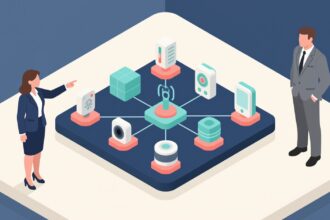
Another way you can improve your customers’ experience using past appointment data is by examining what happens during those meetings. Typically, CRM software is full of client notes outlining meetings, sales, and other data. It’s a centralized record of everything you do and with the right programs plugged into it, your CRM is also a predictor of what’s to come.
Assessing past customer behavior for a deeper understanding of your interactions is known as pattern mining and can help you not only determine what an individual client might do, but also how to incentivize interactions and purchases. Practices can also use such software to calculate a customer trust score, which is essentially a metric of a customer’s reliability – the more often they no-show, the lower their trust score.
Beyond scheduling, there are several ways to use customer data and marketing intelligence so that they complement each other. For example, companies know that mobile coupons increase immediate purchases. Based on what products a client already owns and what’s in their shopping cart, a company might choose to send targeted customers coupons to trigger sales. Pattern mining data says this works.
Upselling Early
If businesses find cancellations and flaky customers to be serious irritants, customers find not having everything they need to be equally annoying. Maybe you have customers who constantly need to expedite shipping because they’re running out of key office supplies. New AI can track customer replenishment patterns and automate it; in essence, scheduling sales interactions the way you’d schedule other services.
Many brands already offer some version of this, such as pet food companies that allow you to ship the same order month after month or vitamin subscription services, but this practice is less common in the business sector. By stepping up and increasing sales efficiency through automation, however, you can increase customer retention and reduce the amount of time you spend on service calls managing simple interactions.
Avoiding Stagnation
Some customers or patients show up a few times, make a purchase or an appointment, and then you never see them again. Have they defected? Has the account gone stagnant? Are they dissatisfied? It’s hard to know without directly contacting the client to ask what happened – but maybe there’s another option.
Instead of calling the client to find out their account status, new software can assess past appointments, including analyzing all conversation text to determine the customer’s current status. This analysis can pinpoint moments of dissatisfaction that may have resulted in customer defection, needed upgrades that could lure a customer back, or other textual giveaways that can be used to trigger a new appointment and new sales. This decreases the dead, awkward interaction of service calls and makes them more purposeful.
A customer’s past purchases can reveal their future more accurately than a crystal ball in this era of big data. It’s time to line up your assessment tools and determine what’s missing in your appointment management system.