We have talked a lot about data-driven businesess at Smart Data Collective over the years. Something that many organizations are realizing is that AI-driven workflows are changing how they evaluate data exposure, compliance concerns, and operational risks tied to large amounts of digital information.
- How AI-Driven Workflows Are Changing Data Risk Management
- How AI-Driven Workflows Are Changing Data Risk Management
- The Expansion of Intelligent Data Systems
- Why Automation Creates New Security Challenges
- The Shift Toward Data Governance
- Human Oversight Still Matters
- The Growing Role of Predictive Security
You can see why companies are investing heavily in AI systems as businesses collect larger amounts of customer, financial, and operational data every day. There are many firms now depending on AI-driven workflows to identify unusual activity, reduce human error, and monitor threats in real time. Something that concerns many executives is how quickly data risks can spread when systems are poorly managed or monitored. Keep reading to learn more.
How AI-Driven Workflows Are Changing Data Risk Management
We have talked a lot about data-driven businesess at Smart Data Collective over the years. Something that many organizations are realizing is that AI-driven workflows are changing how they evaluate data exposure, compliance concerns, and operational risks tied to large amounts of digital information.
You can see why companies are investing heavily in AI systems as businesses collect larger amounts of customer, financial, and operational data every day. There are many firms now depending on AI-driven workflows to identify unusual activity, reduce human error, and monitor threats in real time. Something that concerns many executives is how quickly data risks can spread when systems are poorly managed or monitored. Keep reading to learn more.

How AI-Driven Workflows Are Changing Data Risk Management
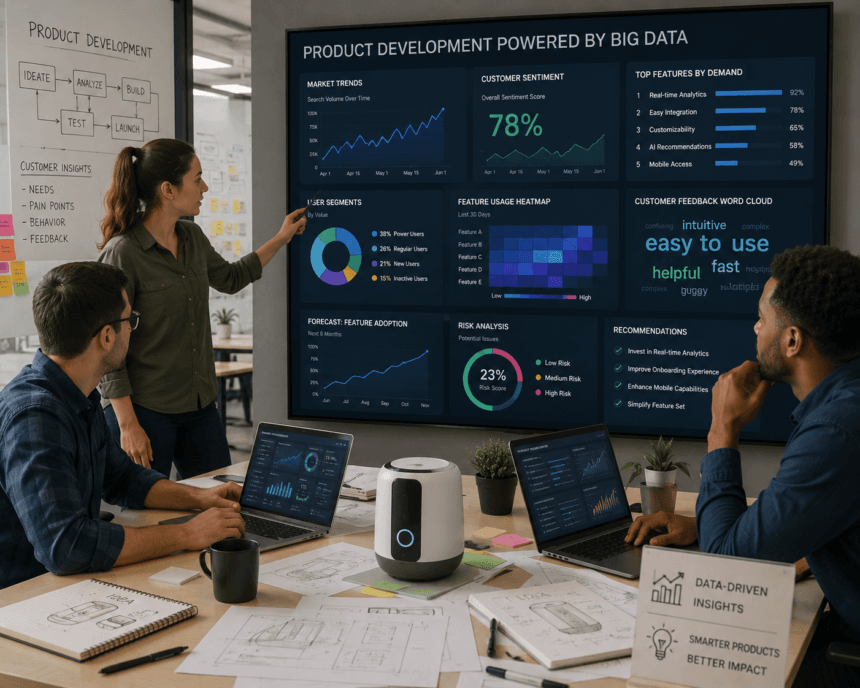
A report by Edge Delta states that most businesses analyze only 37% to 40% of their data, even though 97.2% of companies invest in big data solutions. “Data leaders recognize big data and analytics as crucial forces in today’s digital landscape for their ability to reshape industries. Companies leveraging big data gain a competitive edge through smarter decisions, superior customer insights, and enhanced efficiency.
The increasing investments and strategic focus on big data analytics highlight their indispensable role in fostering business innovation and growth. As big data spending rises, data analytics is essential for long-term success.”
There are many businesses that struggle to review all the information they collect because of the sheer volume of data generated through apps, cloud systems, and connected devices. Another thing AI-driven workflows can help with is automating threat detection and identifying suspicious behavior patterns before larger problems occur.
Debasish Deb, an Engineering & Industrial Analytics Leader, reports that the average ROI of big data is 1,301%. “The question is no longer whether analytics creates value — the evidence is overwhelming. The real challenge is this: Can your organization measure that value realistically enough to sustain its competitive edge? Measuring analytics ROI realistically means moving beyond simplistic formulas to embrace multi-dimensional frameworks, capturing both tangible and intangible value over realistic time horizons,” Deb writes.
You can understand why businesses increasingly rely on AI tools to sort, classify, and monitor information tied to customers and business operations. Something that many security teams value is the ability of AI systems to scan large datasets continuously without relying entirely on manual review processes. Another thing these workflows often provide is faster reporting when irregular data activity appears across company networks.
There are many companies now using AI-driven workflows to support regulatory compliance and reduce the chances of costly reporting mistakes. Something that also helps businesses lower risk is automated tracking systems that monitor access permissions, document transfers, and employee activity tied to sensitive information.
You can also find organizations using AI models to predict possible cybersecurity threats based on historical patterns and behavioral analysis. Another thing that makes AI appealing for risk management is its ability to process information much faster than traditional manual review systems.
The rapid adoption of AI tools across industries has transformed how organizations collect, process, and analyze information. From predictive analytics to automated customer support, businesses are increasingly relying on intelligent systems to improve efficiency and decision-making.
However, as workflows become more data-driven, companies are also facing new concerns around security, governance, and digital trust. This article explores how AI-powered operations are reshaping enterprise risk management and why organizations are rethinking the way they protect information in highly connected environments.
The Expansion of Intelligent Data Systems
Modern businesses generate and process enormous volumes of information every day. AI systems thrive on this data, using it to automate tasks, identify patterns, and improve operational performance. According to Statista, the global volume of data created worldwide is projected to surpass 180 zettabytes by 2025.
As organizations integrate AI into more departments, the amount of sensitive information moving through digital systems continues to grow. Customer records, financial data, behavioral analytics, and operational metrics are now constantly exchanged between platforms, increasing both efficiency and exposure.
Why Automation Creates New Security Challenges
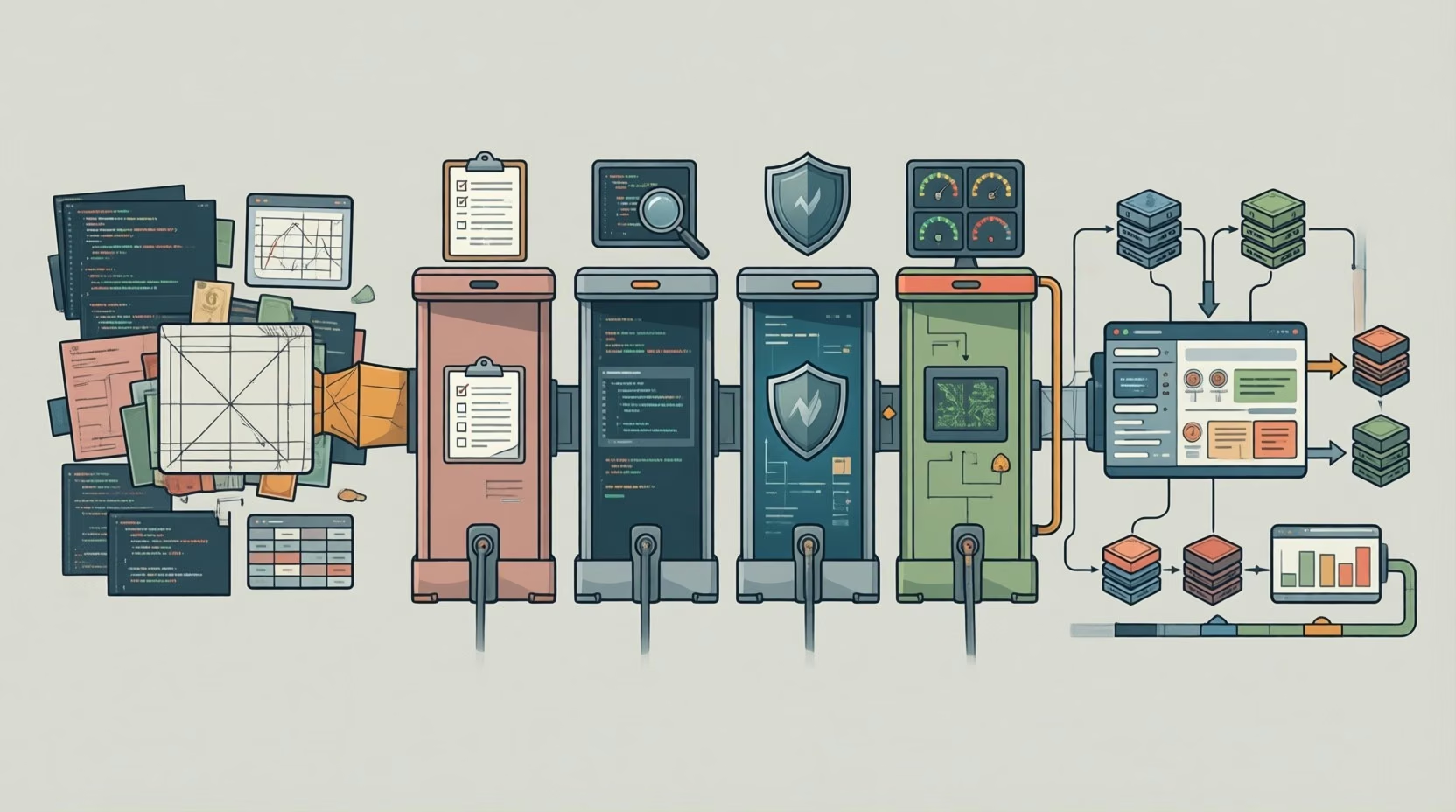
AI-driven environments operate differently from traditional software systems. Automated workflows often depend on interconnected APIs, cloud infrastructure, and real-time data access. While this enables faster decision-making, it also creates additional entry points for cyber threats and operational vulnerabilities.
In many organizations, security frameworks were originally designed for static infrastructures rather than dynamic AI ecosystems. This mismatch can leave gaps in visibility and oversight, particularly when companies adopt new technologies faster than governance policies can adapt.
IBM’s Cost of a Data Breach Report found that organizations with more complex security environments often face significantly higher breach costs. This highlights the growing importance of aligning innovation with strong operational safeguards.
The Shift Toward Data Governance
As businesses scale their AI capabilities, governance is becoming just as important as performance. Companies are increasingly focused on understanding how information is stored, who can access it, and how automated systems use it.
This has led to a stronger emphasis on internal controls, compliance frameworks, and ethical AI implementation. Rather than treating cybersecurity as a separate IT function, organizations are integrating risk management into broader digital transformation strategies. In this context, discussions around topics like enterprise security best practices are becoming more relevant as companies look for ways to balance innovation with operational resilience.
Human Oversight Still Matters
Despite advances in automation, human decision-making remains essential. AI systems can process information quickly, but they cannot fully replace human judgment in areas involving ethics, compliance, or contextual understanding.
Many high-profile security incidents are still linked to configuration errors, weak internal processes, or employee mistakes rather than technical failures alone. This reinforces the importance of training, oversight, and cross-functional collaboration within data-driven organizations. Businesses that combine technological efficiency with strong operational awareness are generally better equipped to adapt to evolving digital risks.
The Growing Role of Predictive Security
One of the biggest changes in enterprise technology is the move from reactive to predictive security models. AI-powered monitoring systems can now identify unusual patterns, flag suspicious behavior, and automate responses before incidents escalate.
This proactive approach is particularly valuable in environments where threats evolve rapidly. Instead of responding after damage occurs, organizations are increasingly investing in systems that anticipate vulnerabilities and reduce response times. As AI tools become more sophisticated, predictive security is likely to become a standard component of enterprise infrastructure.
Endnote
The future of enterprise technology will depend not only on innovation but also on how effectively organizations manage the risks that come with it. Companies that prioritize secure, well-governed AI systems will be better positioned to build trust, maintain stability, and adapt to an increasingly data-centric world.
There are strong reasons why businesses continue expanding their investments in AI-powered analytics and workflow systems. Something that many executives recognize is that growing data volumes create more opportunities for fraud, security breaches, and operational mistakes when information is not monitored carefully.
You can expect AI-driven workflows to play a larger role in business risk management as companies continue handling greater amounts of customer and operational data. Another thing driving this shift is the pressure to identify problems quickly while maintaining trust, regulatory compliance, and business continuity.