
We use cookies, including third-party cookies from Google to serve personalized ads through AdSense, to operate this site and understand how it is used. By continuing to browse, you accept this use. See our Privacy Policy and Terms of Use for details, including how to opt out of personalized advertising.
Accept
SmartData CollectiveSmartData Collective
  • Analytics
    AnalyticsShow More
    What Kind of Problem-Solving Distinguishes Data Analysts From Software Engineers -- AI-generated illustration
    What Kind of Problem-Solving Distinguishes Data Analysts From Software Engineers
    7 Min Read
    chatgpt image jul 21, 2026, 04 34 30 pm
    4 Core Benefits of Predictive Maintenance after Vibration Analysis
    10 Min Read
    How Does Data Mining Boost Customer Satisfaction in Logistics? Harnessing Analytics for Results -- AI-generated illustration
    How Does Data Mining Boost Customer Satisfaction in Logistics? Harnessing Analytics for Results
    11 Min Read
    chatgpt image jul 13, 2026, 04 23 45 pm
    How Data Analytics Helps Companies Improve User Engagement
    19 Min Read
    chatgpt image jul 13, 2026, 03 59 46 pm
    How Data Analytics Improves Multi-Location Search Strategies
    10 Min Read
  • Big Data
  • BI
  • Exclusive
  • IT
  • Marketing
  • Software
Search
© 2008-25 SmartData Collective. All Rights Reserved.
Reading: Rethinking Big Data’s Usability
Share
Notification
Font ResizerAa
SmartData CollectiveSmartData Collective
Font ResizerAa
Search
  • About
  • Help
  • Privacy
Follow US
© 2008-23 SmartData Collective. All Rights Reserved.
SmartData Collective > Analytics > Rethinking Big Data’s Usability
AnalyticsBig DataBusiness IntelligenceData Management

Rethinking Big Data’s Usability

Josh Knauer
Josh Knauer
6 Min Read
Rethinking Big Data’s Usability
Illustration generated with FLUX.2 [klein 4B] via Cloudflare Workers AI.
SHARE

The emergence of Big Data has forever changed the face of business. With so much information available, business decisions in areas like marketing and advertising have the potential to be informed by data, but still rarely are. This is due to a disconnect between available data analysis and how it’s relevant to an executive’s use case. Executives end up relying on others in their organization to pull the right data, run the right analysis and have data engineers and analysts draw the correct conclusions for complex business questions. The greater the distance an executive has from the data itself, the more the promise of Big Data fails to live up to the hype.

Harnessing data’s power requires access to tools that deliver answers to our questions. A business person does not want to learn about data, nor do they want to learn how to use a tool. They just want answers. Despite the market full of business intelligence and data analytics products, not one is hitting the mark.

Take marketers, for example. In order to make informed decisions, they need to consider various consumer data such as media consumption habits, brand engagement on devices and buying habits. For each category, there are many datasets that need to be consulted. Getting over the first hurdle means knowing which datasets to consult, and this requires specialized skills and training. Next, data from multiple sources needs to be combined together and the proper algorithms applied to get to a numeric answer. Finally, the results need to be interpreted and visualized or presented in a way that others can understand and act on. Marketers should not have to be database experts, visual designers and statisticians just to get answers to their questions.

We must rethink the way data is engaged. The tools available today fail because they are cumbersome and complicated. Instead, we need tools with an ease threshold comparable to Google. If something is harder than running a Google search, we cannot expect a broad audience of business users to adopt it. And without broad adoption, Big Data will fail to make its true mark on the business world.

More Read

New Big Data Applications
Big Data Proves Mobile Is Where Your Audience Is: Where Are You?
Criteria for Determining Which SaaS Platform to Choose
Revenue, Supply & Demand: Effects of the 2011 Hard Drive Shortage
Critical Cloud Security Tech You Need to Understand in 2018

For mass business adoption, tools need to meet professionals in their current skillset, not require them to learn a whole new vernacular. The tools must proactively indicate to users which data points are relevant to their natural language question, and then put the data into context. To the end-user, a Google search is simple. But the interface is masking very sophisticated algorithms that keep the quality and relevance of the results displayed. A Google search also doesn’t require the user to type anything more than a term to generate relevant results.

This same ease of use, accuracy and relevancy needs to be available for Big Data. Indexing may be a common data term, but the likelihood of anyone other than a data scientist truly understanding its context is limited. Instead, information should be presented how people think in conversation with each other. For example, “according to voter registration data, Pittsburghers are 21 times more likely to vote Democrat compared to the rest of Pennsylvania” is much easier to comprehend than “Pittsburghers index higher for voting Democrat compared to the entire Pennsylvania population.”

In other words, data tools must offer human-centered access to data. An example of this is conversational interfaces, like Siri, Alexa, and Cortana, but enhanced to be very smart with advanced data. This integration of virtual assistant technology, artificial intelligence and data analysis is the future of the data industry, because it makes engaging Big Data quite simple. Rather than interacting via icons or click commands, as computers are structured to do, users can access the information needed by asking a standard question or command.

We are failing our peers if those who understand data don’t work to make it accessible to all. That means thinking of data, not the way a data scientist does but like an ordinary professional looking to better inform their decision-making process. Only when Big Data becomes truly usable in the hands of the entire business ecosystem, will we see the impact it can have on our world.

Share This Article
Facebook Pinterest LinkedIn
Share

Follow us on Facebook

Latest News

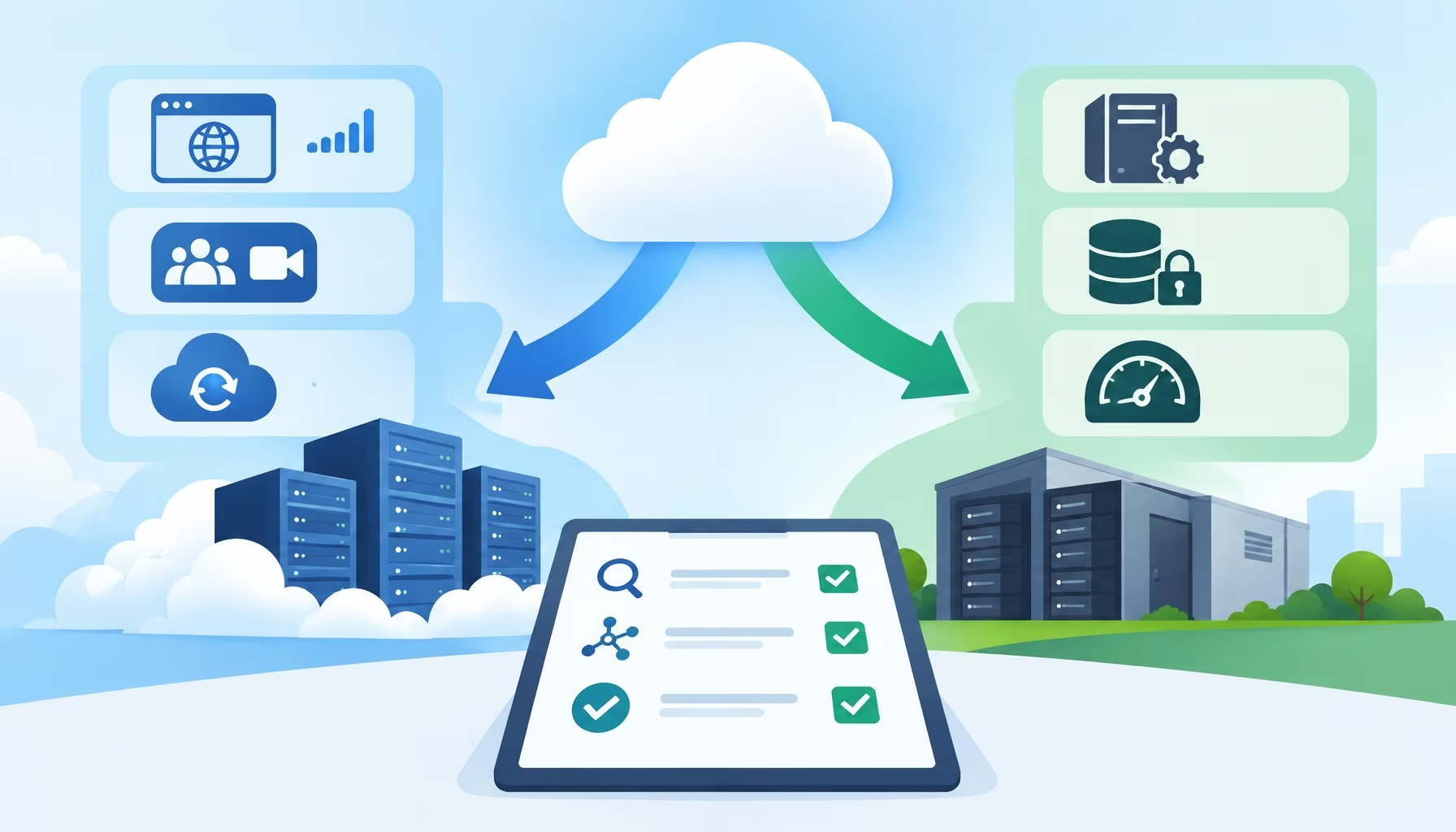
Flat editorial illustration: The article's core relationship is workload-by-workload decision-making for cloud migration, where s
Which Workloads Should Move to the Cloud?
Cloud Computing Exclusive IT
Flat editorial illustration: The article positions data governance as a strategic board-level concern rather than a purely techni
Why Data Governance Is Becoming a Board-Level Business Priority
Big Data Exclusive Policy and Governance
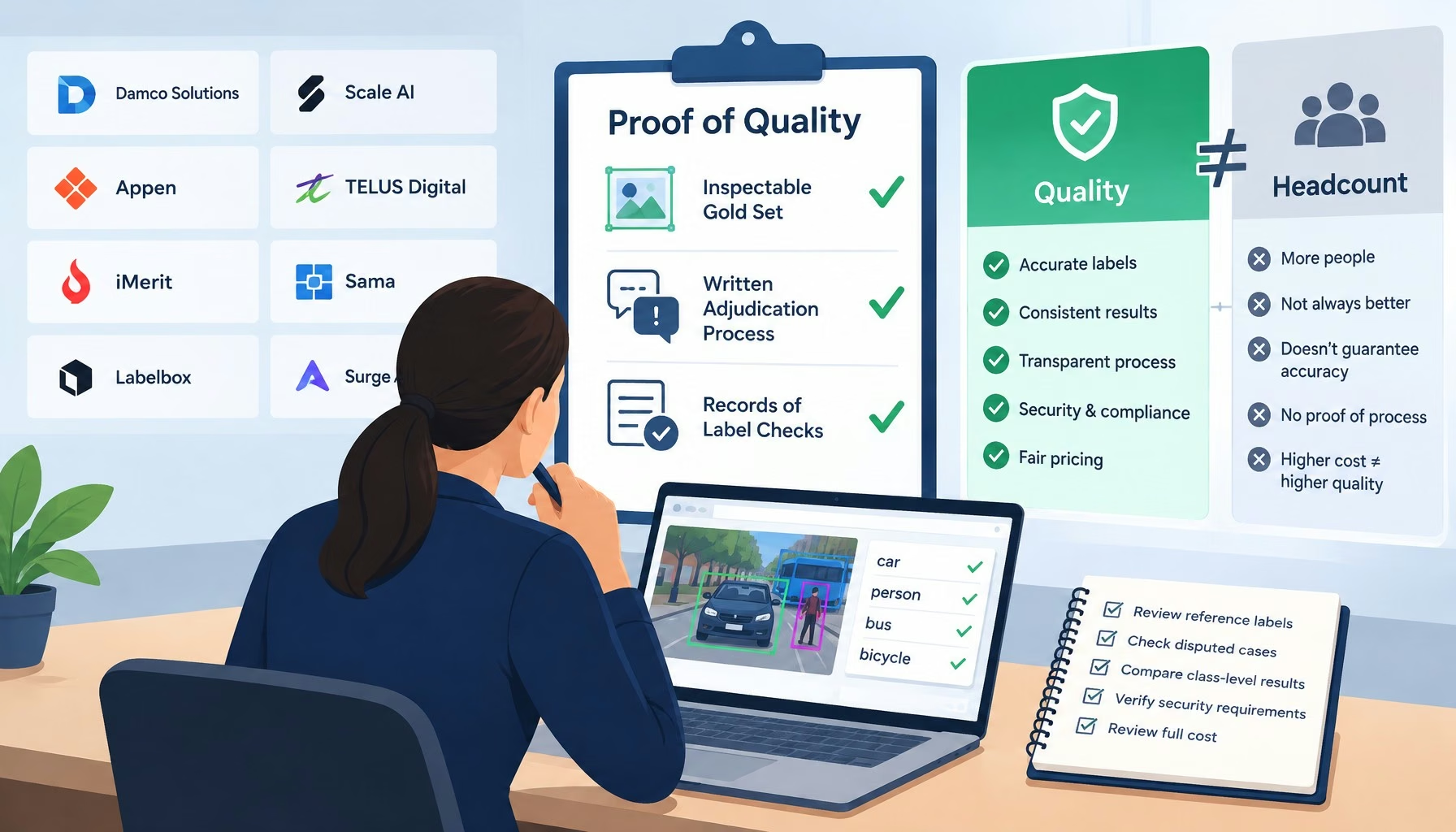
Flat editorial illustration: The article argues that data annotation quality should be measured by inspectable gold sets, written
The Top Data Annotation Companies Are Separated by Proof of Quality, Not Headcount
Big Data Exclusive
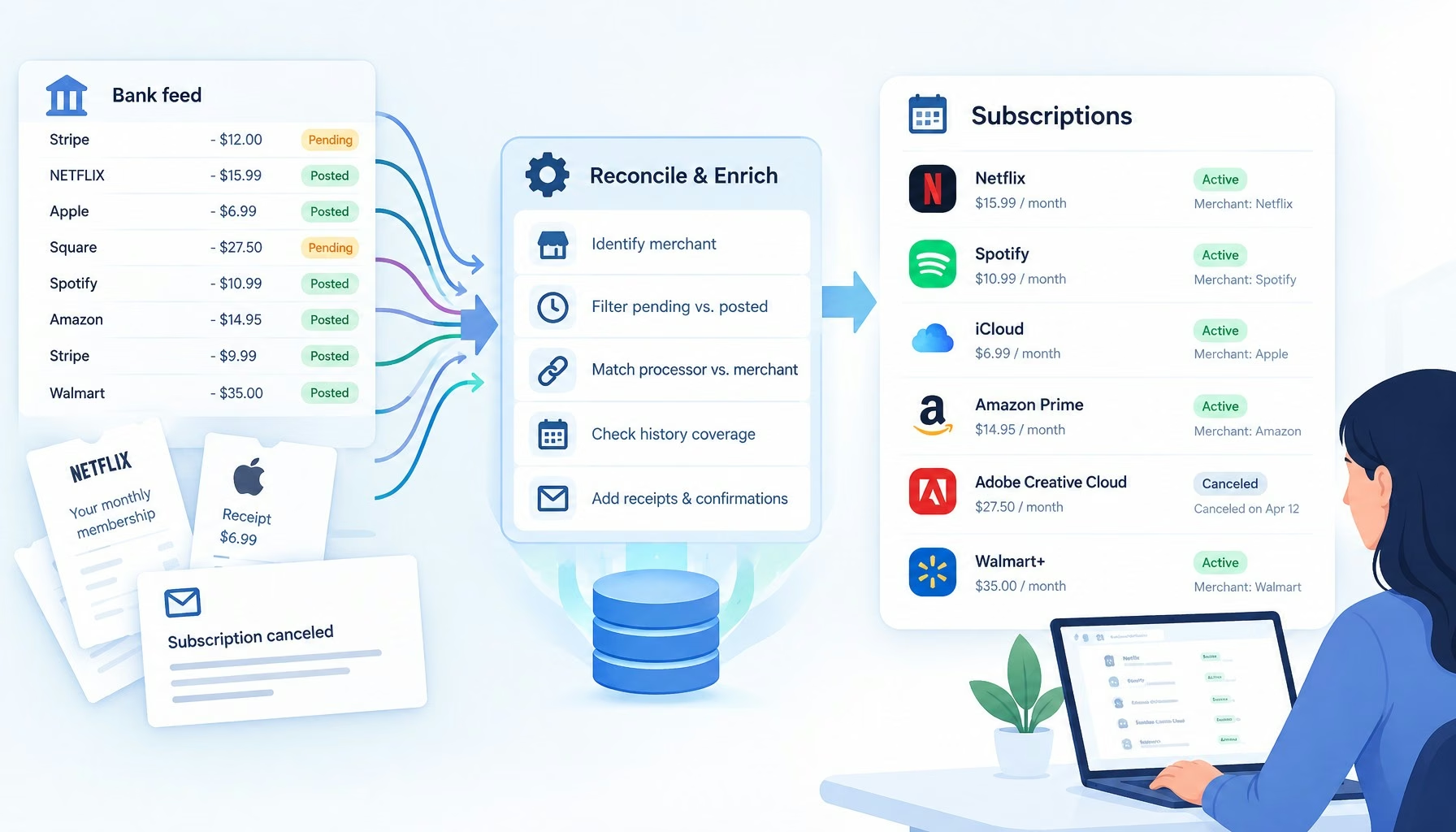
Flat editorial illustration: The article's core relationship is the gap between raw bank-feed records and reliable subscription i
Subscription Trackers Have a Transaction Data Problem
Big Data Exclusive

Stay Connected

1.2KFollowersLike
33.7KFollowersFollow
222FollowersPin

You Might also Like

A Brazen Expose on Big Data in the Government Sector
AnalyticsBig DataBusiness IntelligenceExclusiveIT

A Brazen Expose on Big Data in the Government Sector

10 Min Read
An Inside Look at How Big Data Is Changing Fleet Management
Big Data

An Inside Look at How Big Data Is Changing Fleet Management

5 Min Read
Essential Proxy Selection Tips For Web Data Mining
Data Mining

Essential Proxy Selection Tips For Web Data Mining

8 Min Read
Are PDFs Becoming Preferable to Word Documents in the Big Data Era?
Big Data

Are PDFs Becoming Preferable to Word Documents in the Big Data Era?

6 Min Read

SmartData Collective is one of the largest & trusted community covering technical content about Big Data, BI, Cloud, Analytics, Artificial Intelligence, IoT & more.

Chatbots and SEO: How Can Chatbots Improve Your SEO Ranking?
Artificial Intelligence Chatbots Exclusive
From Bolts to Bots: How AI Is Fortifying the Automotive Industry
Artificial Intelligence

Quick Link

  • About
  • Contact
  • Privacy
Follow US
© 2008-26 SmartData Collective. All Rights Reserved.
Welcome Back!

Sign in to your account

Username or Email Address
Password

Lost your password?