When the cloud first entered the mainstream several years ago, many experts were predicting a complete transformation in the way that businesses operate. Much of those predictions have proven to be true, with innovative new services and products that help companies be more productive.
When the cloud first entered the mainstream several years ago, many experts were predicting a complete transformation in the way that businesses operate. Much of those predictions have proven to be true, with innovative new services and products that help companies be more productive. The trend of moving to the cloud appears likely to continue in the years to come. Thanks to the impressive growth of cloud providers like Amazon Web Services, Salesforce, and Google, experts are predicting that by 2018, more than 30 percent of all computing workloads will be running on public clouds. The impact of this significant change may not be fully understood for some time, but one thing that is certain is the changes happening with large data centers. Some are even predicting that the typical large in-house data centers seen at many companies could become a thing of the past. Will these predictions come true? A careful look at current trends and expert opinion reveals the future may not be so clear cut.
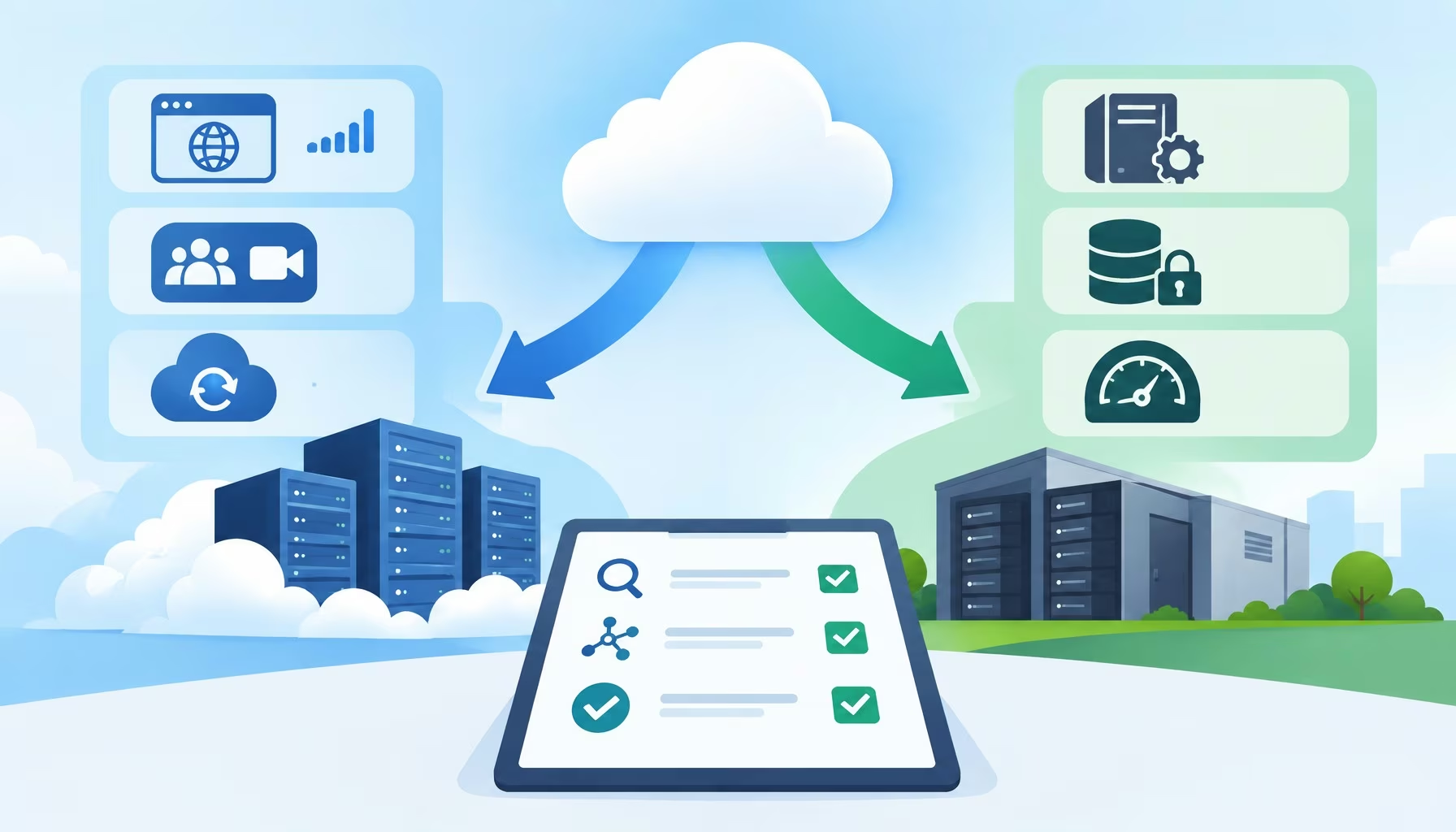
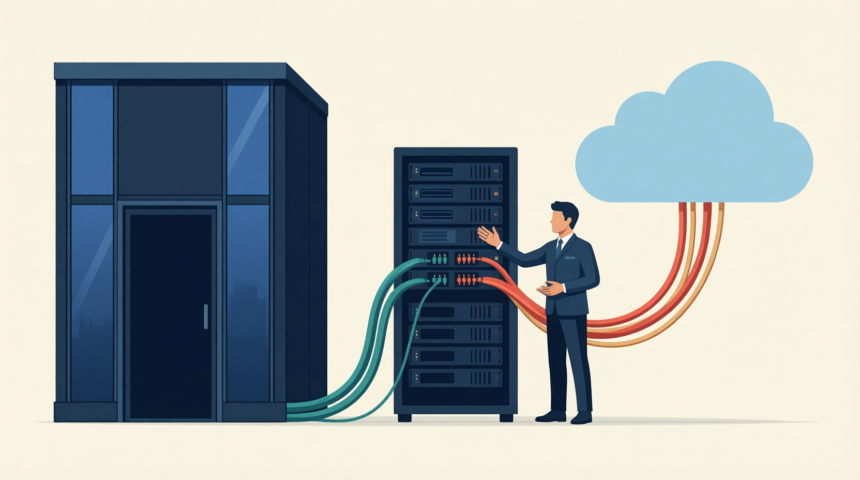
When experts and industry insider talk about what is cloud computing that talk about replacing big data centers kept on-premise, they don’t necessarily mean that data centers will vanish completely. Instead, they say the large data centers will be replaced by two things: smaller, more efficient data centers kept in-house and the data centers maintained by the cloud providers themselves. Much of the emphasis is placed on the latter portion of that equation, with cloud vendors focusing their efforts on building and operating massive data center operations, effectively taking away some of the large investments and upkeep costs that businesses have needed to spend when working with their own large data center facilities.
For financial reasons alone, this seems like an attractive option for most companies. Cloud providers after all may house multiple business clients in the big data centers they construct, and since they are focused on the data center model, they can reduce the overall cost of purchasing needed equipment, cooling the machines, and providing strong security measures. This all comes down to economies of scale, where smaller numbers of large facilities cost less than a large number of small facilities would. Some of the numbers back up this trend. According to a recent study, around 45 percent of newly manufactured servers will be purchased by cloud providers by 2017. If this trend holds true, cloud vendors would be using their own large facilities, and other companies wouldn’t need to deploy the same thing. The result would be fewer in-house big data centers.

Despite these factors, some experts are cautioning that we shouldn’t simply assume on-premise large data centers will go away. They cite plenty of reasons why businesses would prefer to keep their own big data centers and avoid cloud computing vendors altogether. Much of it has to do with the products and services the company puts out. Some businesses are centered around an IT-based product, which usually means having custom applications, data, and processes used to make and deliver it. They essentially amount to having a trade secret, and turning that information over to a third party — even if it is a vendor sworn to secrecy — simply isn’t an option. While there are many different vendors out there supplying a variety of Software-as-a-Service options, these IT-based businesses would want to keep their product as close as possible. Even those companies that don’t have IT-based products may choose to keep large data centers to make sure their services comply with regulations. This approach will largely depend on the the industry that business is in. For example, organizations in the healthcare industry will want to ensure patient data is kept in-house to stay in line with laws and ordinances that dictate the use of this information. Businesses also have security reasons for not trusting cloud vendors with any type of data.
The disappearance of big in-house data centers thanks to the cloud is by no means a foregone conclusion. While many trends point in that direction, they still may receive pushback from some businesses. It will all come down to what companies value the most — saving on data center costs or keeping sensitive data close at hand. While the future is uncertain, large data centers will continue to be a part of business, whether through cloud computing vendors or the companies that keep them on-premise.