We use cookies, including third-party cookies from Google to serve personalized ads through AdSense, to operate this site and understand how it is used. By continuing to browse, you accept this use. See our Privacy Policy and Terms of Use for details, including how to opt out of personalized advertising.
Accept
SmartData CollectiveSmartData Collective
  • Analytics
    AnalyticsShow More
    chatgpt image jul 21, 2026, 04 34 30 pm
    4 Core Benefits of Predictive Maintenance after Vibration Analysis
    10 Min Read
    How Does Data Mining Boost Customer Satisfaction in Logistics? Harnessing Analytics for Results -- AI-generated illustration
    How Does Data Mining Boost Customer Satisfaction in Logistics? Harnessing Analytics for Results
    11 Min Read
    chatgpt image jul 13, 2026, 04 23 45 pm
    How Data Analytics Helps Companies Improve User Engagement
    19 Min Read
    chatgpt image jul 13, 2026, 03 59 46 pm
    How Data Analytics Improves Multi-Location Search Strategies
    10 Min Read
    cybersecurity efforts
    How Behavioral Analytics and AI Are Redefining Cybersecurity for Boca Raton Businesses
    14 Min Read
  • Big Data
  • BI
  • Exclusive
  • IT
  • Marketing
  • Software
Search
© 2008-25 SmartData Collective. All Rights Reserved.
Reading: Sense and Respond and the New Way of Selling
Share
Notification
Font ResizerAa
SmartData CollectiveSmartData Collective
Font ResizerAa
Search
  • About
  • Help
  • Privacy
Follow US
© 2008-23 SmartData Collective. All Rights Reserved.
SmartData Collective > Business Intelligence > CRM > Sense and Respond and the New Way of Selling
CRMModelingPredictive Analytics

Sense and Respond and the New Way of Selling

mfauscette
mfauscette
5 Min Read
Sense and Respond and the New Way of Selling
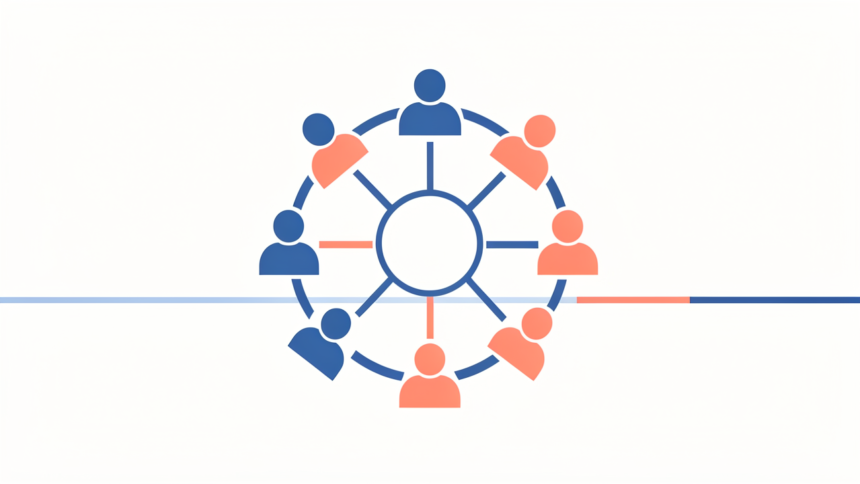
Illustration generated with FLUX.2 [Klein 9B] via local ComfyUI.
SHARE

Okay, I started this out with a lie, this isn’t a new way to sell at all. The sense and respond approach to selling is as old as business itself. Think about an old fashion “mom and pop” business, it operated by knowing its customers intimately. This intimacy came from both the type of interaction and the frequency. In this older model of community it was not difficult to profile each customer, you knew them, their family, friends and much of their personal activities.

Okay, I started this out with a lie, this isn’t a new way to sell at all. The sense and respond approach to selling is as old as business itself. Think about an old fashion “mom and pop” business, it operated by knowing its customers intimately. This intimacy came from both the type of interaction and the frequency. In this older model of community it was not difficult to profile each customer, you knew them, their family, friends and much of their personal activities. In our “modern” world, we’ve lost that level of intimacy with shopkeepers and suppliers. This unique sense of community still exists, but its very rare today…or is it?

Online communities mimic offline counterparts in many ways. What they remove is the need for members of a community to be geographically close. Proximity is replaced with the Internet, which fundamentally substitutes one type of relationship building with another. More and more people are living their lives out online and providing a great deal of information about themselves in the process. This information goes way beyond transaction data, and could provide a very complete social profile if assembled and analyzed. I should take a minute to remind everyone that this is not creepy in any way, the information I’m talking about is freely provided and publicly available.

Now it is possible to go back to a sense and respond sales model. As a business you track transaction data, which provides one view of individual behavior. If you then collect, correctly identify, and map social online data to this transaction data, you have the foundation of a very rich understanding of your customer. Sensing (or listening, collecting, etc.) is not technically difficult, there are many listening tools available. The part that is somewhat more difficult is correctly identifying the individual to whom the data belongs and matching that to the customer data you already collect. This issue of knowing your customer wherever you interact with him/her is a critical problem for most businesses today. Businesses have taken a “channel” approach to sales, that is, tracking customers effectively but only through a single channel or at best through 2 channels. The last part of the process, mapping the social data to transaction data is also not difficult, assuming you have identified the customer correctly.

Companies are moving beyond channels, or even cross-channels and into a model that must be flexible across any touch point. There is a need then for a sort of omni channel identity, or the ability to correctly identify customers whenever and where ever you interact with them. This one “simple” requirement is a serious challenge for CRM systems and companies and until it’s solved, will hamper the overall customer experience. Loyalty programs can help get customers to self identify, but are not yet at least, enough.

Needs based selling, or sensing what the customer needs and providing it is a very powerful sales tool. To take that one step more though, could you build a behavioral model that provides the clues to actually predict what a customer needs, maybe even before the customer clearly understands that need themselves? The next generation of sales is predictive and the data that’s becoming available could make that a reality.

T

Share This Article
Facebook Pinterest LinkedIn
Share

Follow us on Facebook

Latest News

Illustration of mobile analytics dashboards with ad performance charts connected to backend databases
11 Best Sisense Alternatives for Embedded Analytics
Business Intelligence Exclusive
Analyst points at colorful circular data dashboard on screen - information technology business metrics
How Fragmented Workplace Tech Undermines Reliable Business Metrics and Reporting
Cloud Computing Exclusive Infographic IT
Using Multi-Source Data and Analytics to Detect Operational Drift Across Franchise Networks -- AI-generated illustration
Using Multi-Source Data and Analytics to Detect Operational Drift Across Franchise Networks
Exclusive Infographic
Beyond The First Impression: The Long-Lasting Impact Of Sensory Marketing -- AI-generated illustration
Beyond The First Impression: The Long-Lasting Impact Of Sensory Marketing
Infographic Marketing

Stay Connected

1.2KFollowersLike
33.7KFollowersFollow
222FollowersPin

You Might also Like

Predictive Analytics in Software: Focusing on Automation
Predictive AnalyticsSoftware

Predictive Analytics in Software: Focusing on Automation

3 Min Read
Attensity Uses Social Media Technology for Smarter Customer Engagement
AnalyticsBig DataBusiness IntelligenceCloud ComputingCRMMarket ResearchSocial DataSocial Media AnalyticsText Analytics

Attensity Uses Social Media Technology for Smarter Customer Engagement

5 Min Read
Protecting the World with Big Data
Big DataPredictive Analytics

Protecting the World with Big Data

6 Min Read
How SEO is Like Customer Service
Best PracticesCRM

How SEO is Like Customer Service

11 Min Read

SmartData Collective is one of the largest & trusted community covering technical content about Big Data, BI, Cloud, Analytics, Artificial Intelligence, IoT & more.

From Bolts to Bots: How AI Is Fortifying the Automotive Industry
Artificial Intelligence
5 Great Tips for Using Data Analytics for Website UX
Big Data

Quick Link

  • About
  • Contact
  • Privacy
Follow US
© 2008-26 SmartData Collective. All Rights Reserved.
Welcome Back!

Sign in to your account

Username or Email Address
Password

Lost your password?