
AI technology has had a huge impact on our everyday lives. The daily articles we are seeing about the changes brought on by ChatGPT are clear evidence of the changes it has created.
- 1. Social Media: The Global Meeting Point
- 2. Smartphone Apps and Location Services
- 3. E-commerce and Online Transactions
- 4. Wearable Tech: More Than Just Fitness
- 5. Public Records and Online Databases
- 6. Digital Photography and Facial Recognition
- A New Era: Artificial Intelligence and Predictive Analysis: Charting the Unseen
- Navigating the Digital Era with Caution
One of the most overlooked benefits of AI is that it is helping make it easier to do backgrounds checks and trace people. This is going to make it a lot easier to find people in the years to come.
In an age dominated by AI technology, the ways in which we interact with the world around us are continuously evolving. The digital footprint we leave behind as we navigate the online realm offers both intriguing possibilities and significant challenges. While concerns about privacy and surveillance dominate many discussions, there is an undeniable power in how technology can help in tracing people, whether it’s for reconnecting with a long-lost friend, assisting in investigations, or ensuring safety.
A number of tools openly advertise the fact that they use AI technology to help with people tracing. Some of these tools include CyberLink, iNetra, V-Count and Traces.AI. A number of articles have been written about the profound impact that CyberLink has had on the people tracing software industry, as a result of using AI technology. Marco Cerliani has a great article in Towards Data Science on the benefits of AI in the people tracing field.
More Read

Let’s dive deep into this intricate web of digital breadcrumbs and see how they help us trace individuals in the modern world. Of course, if you need professional assistance, detectives like Bondrees can delve deeper.
1. Social Media: The Global Meeting Point
With billions of active users, platforms like Facebook, Twitter, and LinkedIn have become the modern-day meeting points. Not only do people share their personal milestones and daily snippets here, but they also check in at various places, tag friends, and announce plans.
Reconnections: It’s not uncommon to hear stories of schoolmates rekindling their friendships or families reuniting after decades, all thanks to a simple search on Facebook or a shared post on Instagram.
Verification: On a more professional note, employers often turn to LinkedIn to verify credentials and get a better sense of potential candidates.
2. Smartphone Apps and Location Services
Most smartphones today are equipped with GPS and various sensors. Many apps, from dating applications to fitness trackers, ask for permission to access this data.
Safety Apps: Applications like “Find My Friends” or Google’s “Trusted Contacts” allow users to share their real-time locations with trusted individuals. In emergencies, these apps can be invaluable.
Lost and Found: “Find My Device” services help trace lost or stolen devices, indirectly aiding in locating individuals.
3. E-commerce and Online Transactions
Every time you make an online purchase, sign up for a subscription, or even just browse products, you’re leaving a digital trace.
Delivery Details: Purchase histories, delivery addresses, and contact information provide a snapshot of a person’s habits and whereabouts.
4. Wearable Tech: More Than Just Fitness
From Fitbits to Apple Watches, wearable tech often syncs with cloud databases, tracking everything from our heart rate to our steps.
MIT recently had a huge breakthrough in this field. They developed a new app that uses machine learning to track signals through walls, which can help people track those using wearable tech.
Health Insights: In some cases, the data from wearable tech has been used in court cases to confirm a person’s whereabouts or even their state of health at a specific time.
5. Public Records and Online Databases
The digitization of public records – from birth and death certificates to property ownership – means that a lot of information is at the fingertips of anyone with an internet connection. We mentioned that this is one of the biggest ways AI is helping with background checks.
Genealogy Research: Websites like Ancestry.com use digitized records to help individuals trace their family roots. Simultaneously, they help establish connections with distant family members.
6. Digital Photography and Facial Recognition
Platforms like Google Photos can identify individuals in pictures, making searching for photos of a particular person seamless. On the flip side, law enforcement agencies use facial recognition to identify suspects or find missing persons.
Safety Measures: In many modern airports, facial recognition systems are deployed to verify passenger identities, ensuring faster and more secure processing.
A New Era: Artificial Intelligence and Predictive Analysis: Charting the Unseen
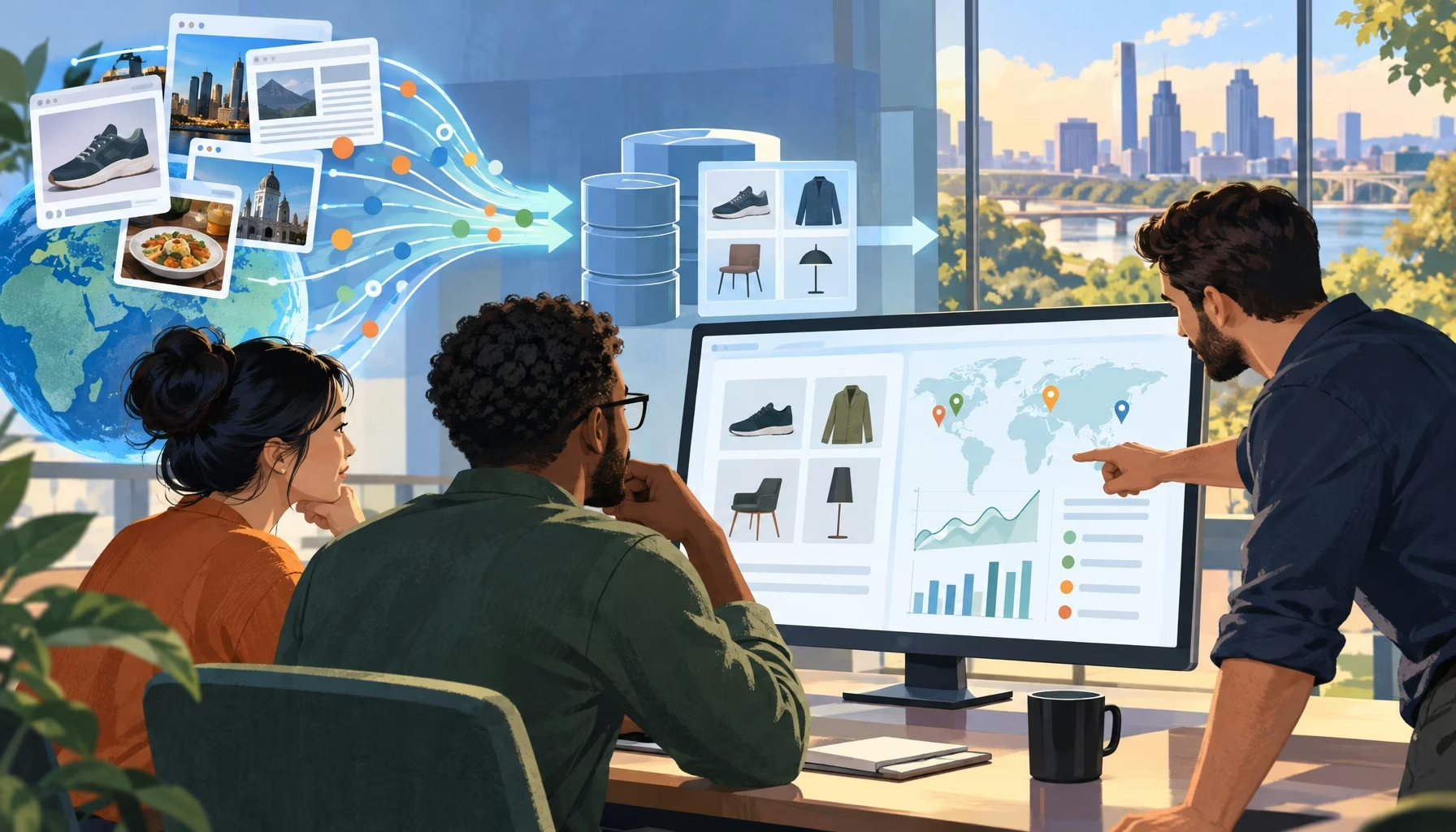
As we deepen our understanding of digital traces and their potential, emerging technologies like Artificial Intelligence (AI) are taking tracing to a whole new level. AI doesn’t just rely on the digital footprints we knowingly leave behind; it observes patterns, behaviors, and minute nuances to make predictions about where a person might be headed, both literally and metaphorically.
- Behavioral Patterns: AI algorithms, especially when combined with Big Data, can observe and analyze a person’s online activities – from their shopping habits to their search queries – to predict future actions. For instance, if someone consistently searches for hiking trails, AI can predict when they might embark on their next adventure and even suggest new, undiscovered routes.
- Communication Analysis: Machine learning models can study communication patterns, from email exchanges to social media interactions, and identify not just who someone is in regular contact with, but even potential shifts in mood or behavior based on the sentiment of the messages.
- Predictive Policing: Some cities are experimenting with AI-driven predictive policing, where algorithms analyze historical crime data to forecast where crimes are likely to occur next. While this has led to faster response times, it’s also sparked debates about privacy and potential biases in the AI models.
- Health Predictions: With wearable tech monitoring vital statistics, AI can predict potential health issues before they become serious. If a person’s heart rate deviates from the norm or sleep patterns are disrupted consistently, AI systems can flag these anomalies for further investigation.
This technological frontier, driven by predictive analysis, paints a compelling vision of the future. Yet, it also underscores the importance of ethical considerations. As AI models become adept at predicting our moves, balancing the scales of convenience and privacy will become even more crucial.
Navigating the Digital Era with Caution
While the tools we have at our disposal are powerful and can be immensely beneficial, they come with their own set of challenges. Privacy concerns are paramount. It’s essential to remember that with great power comes great responsibility. Being aware of our digital footprint, regularly checking app permissions, and being cautious about the information we share online can go a long way in ensuring that technology remains a tool for good.
In conclusion, as we stride forward in this digital age, the pathways to trace and connect with people have never been more abundant. The digital trail, as vast and complex as it might seem, is a testament to human innovation and adaptability. Yet, as we marvel at its capabilities, let’s also tread with awareness and care, cherishing the connections it brings while safeguarding the privacy it might sometimes breach. Hiring a professional is always the best route when unsure or needing to delve deeper.