A few years ago, I spoke with an older gentleman that had worked as a business consultant for decades. He had expressed a lot of skepticism about the impact of analytics on the business field. In more recent years, it has become clear that big data is changing the nature of business development in profound ways. How will big data change the role of business development? We are learning more about its impact every year. Bernard Marr wrote an article talking about the biggest benefits in his post on Forbes. He said that the number one benefit will be that big data will play a role in collecting consumer data to improve marketing strategies. However, we are now seeing that there are other benefits as well. Some of the benefits are unexpected. Pantene used big data that it accumulated from the Weather Channel to boost sales by 10%. But the benefits can also extend to recruiting and much more.
- How Will Big Data Change the Future of Business Development?
- Big Data Helps Recruit the Right Personnel
- Predictive Analytics for Business Development Strategy
- Client Satisfaction
- Real-Time Operational Efficiency and Bottleneck Detection
- Data Governance and Quality Control for Business Decisions
- FAQ
- Putting Big Data to Work in Business Development
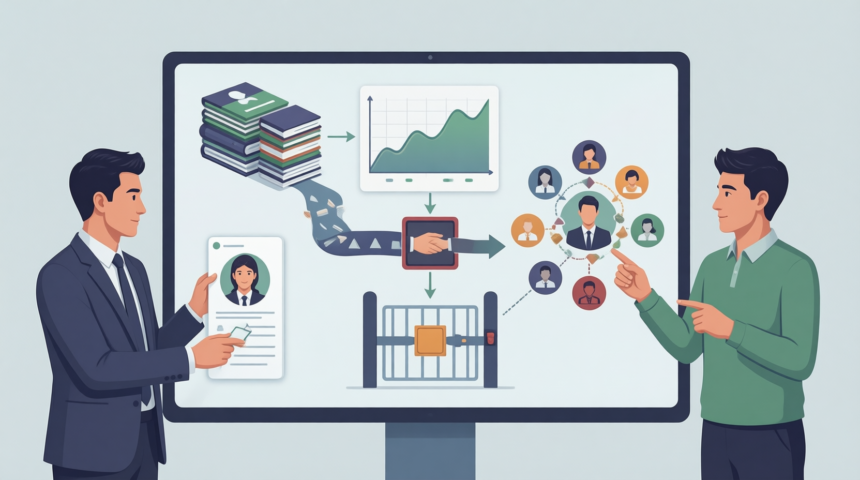
Practical mechanism: Big data supports business development through better hiring decisions, a clearer understanding of client needs, and earlier detection of operational bottlenecks. Use historical records to inform forecasts and current operational data to spot delays. Data quality checks help keep those decisions grounded in accurate information as your company grows.
How Will Big Data Change the Future of Business Development?
Business development is a process of developing a longterm business model. It governs the use of analytics and focuses on every stage of the process, from developing a strategy to executing it. The goal is to create a successful business model for all stakeholders. Of course, shareholders need to know that the model will provide great compensation for them. However, business development must also focus on the needs of customers, employees and others affected by the business.
Big data has helped companies streamline all of these processes. They are using big data to get a better understanding of their customer base, which helps them deliver more effective marketing strategies. They are using predictive analytics to improve hiring decisions. They use deep learning and predictive analytics to conduct better risk assessments and optimize their actuarial practices.
Big Data Helps Recruit the Right Personnel
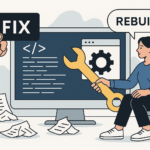
Finding the right personnel is very important. You need to make sure that they are going to thrive in their job and bring value to the organization. Unfortunately, finding the right employees can be difficult, especially when some people aren’t actively looking for work. You might need to identify people that are currently employed elsewhere and try luring them to your company. Once you identified possible employees, you must know what to look for when hiring them. How does big data help in this regard? A post from Yoh clarifies this. They pointed out that one study showed that a Fortune 500 company that increases data accessibility by 10% can increase value by $65 million. At least 50% of these benefits come from improved usage of human capital. There are numerous applications:
- You can use big data to learn more about people before hiring them. Data mining tools allow you to research many different databases and websites for information.
- You can use historical data on previous employees to identify whether an employee will succeed or not based on known variables.
Big data is going to turn the recruiting process on its head.
Predictive Analytics for Business Development Strategy
Predictive analytics uses historical records to estimate what may happen next, giving your team evidence for hiring and growth decisions before problems appear in current results. The deciding constraint is whether those records describe the decision you face, rather than simply being the largest dataset available.
More Read

The research paper How big data and AI are changing business growth describes the shift from guesses and experience toward data-informed business growth. For your team, extend the historical-data approach used in hiring to demand planning. Compare a forecast with actual demand before using it to commit staffing or inventory. Keep the forecast date alongside the result so you can see what was known when the decision was made. That gives long-range planning a record of where expectations held up and where they missed.
Client Satisfaction
Keeping clients happy is another very important part of running a business. The easiest way to ruin your company is by alienating customers by under-delivering on your promises. Big data helps you learn more about your clients. You can mine data on individual clients and try to see what they need. You can also look at aggregate data on multiple clients to see how you can optimize the business model as a whole.
Real-Time Operational Efficiency and Bottleneck Detection
Real-time analysis helps your operations team find delays while work is still moving through production or delivery. For business development, the useful signal is where capacity or inventory limits your ability to meet customer commitments, with the freshness of the underlying records determining how quickly your team can respond.
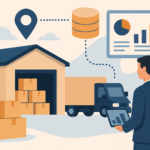
An ACM proceedings paper on big data analytics and operational efficiency describes applications including predictive maintenance in manufacturing and demand forecasting, real-time tracking, and route optimization in supply chains. To apply that approach, compare the timestamps for each stage of an order, not just the final delivery date. Where does work wait? If orders repeatedly sit between packing and dispatch, examine that handoff before promising faster delivery. Keep the latest source-update time visible alongside the report so yesterday’s backlog is not mistaken for today’s workload.
Data Governance and Quality Control for Business Decisions
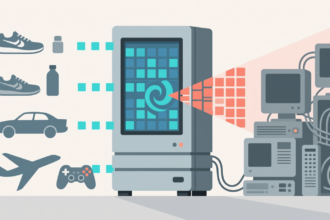
A data governance framework gives your team agreed definitions and responsibility for correcting the records behind business decisions. Quality checks then test whether those records are usable, which matters when recruiting, customer service, and operations reports describe the same business through separate systems and different update schedules.
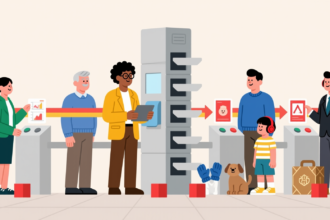
TechTarget’s discussion of data quality for big data identifies quality management as critical to accurate business decisions as data volumes grow. Put that requirement into the reports your team already uses. Agree on what counts as an active client before comparing customer totals across departments. Check for duplicate customer identifiers and missing order dates before publishing a growth report. If an import arrives empty, hold the report for review rather than treating the missing records as lost business. Record who owns the correction so the same discrepancy does not return next week.
A lot of the frameworks that we’ve used in the past now need to be rethought essentially from the ground up.
Drew Clarke, Head of AI, Qlik, in SiliconANGLE, 2026FAQ
How is big data used in real life?
Businesses use big data to inform hiring decisions, understand individual clients, and identify patterns across their customer base. Operational applications include detecting supply-chain bottlenecks, forecasting demand, and planning maintenance. Predictive analytics extends these uses into business development by helping teams estimate future needs before committing staff or inventory.
What are the downsides of big data?
The main downsides include excessive implementation costs, flawed strategies, skill gaps, and poor-quality data that undermines decisions. A 2025 Forbes Technology Council article on implementation pitfalls recommends assessing organizational challenges, skills, and bottlenecks before introducing technology. Separate systems and inconsistent definitions also leave teams reconciling conflicting reports rather than acting on them.
Putting Big Data to Work in Business Development
To conclude, big data can aid you with your business development. By focusing on the correct development practices, strategies and procedures, you’ll find it easier to create an effective team and grow your business. Have any additional questions about business development? Let us know in the comments below! This article is a guest post from Trust Sourcing.
Before your next planning meeting, reconcile the records behind the forecast. Match customer identifiers across the client report and order records, and check that both cover the same reporting period before using them to justify expansion. An empty import should stop publication, not appear as falling demand. Keep the last accepted report available while the owner checks the missing records. Then compare the forecast with actual results at the next review, using the same definitions.