Health systems around the world are increasingly leveraging data to improve patient outcomes, streamline operations, and reduce costs. Real-time intelligence, driven by data, is transforming the healthcare landscape by providing actionable insights that can inform decision-making and improve care delivery.
But just how is data powering real-time intelligence in health systems? This article will explore some of the concepts contributing to those factors.
Electronic Health Records (EHRs) and Data Integration
The foundation of real-time intelligence in health systems lies in the integration of Electronic Health Records (EHRs). EHRs contain sets of info including medical history, medications, allergies, and test results. Comprehensively, such data would be overseen by a health informatics team, which is different from a health informatics department.
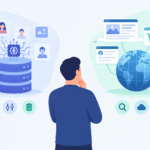
By integrating data from various sources, such as lab results, imaging studies, and wearable devices, healthcare providers can gain a more complete picture of a patient’s health status.
This integration allows for real-time monitoring of patient conditions, enabling healthcare providers to intervene early and prevent complications. For instance, a patient with diabetes can be monitored for blood sugar levels, and alerts can be generated when levels fall outside a specified range. This proactive approach can help prevent hospitalizations and improve patient outcomes.
Predictive Analytics and Machine Learning
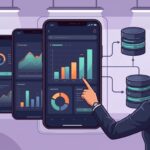
Predictive analytics and machine learning algorithms can analyze large datasets to identify patterns and make predictions about future events. In healthcare, these techniques can be used to forecast patient outcomes, anticipate resource needs, and identify high-risk patients.
For example, predictive models can be developed to identify patients at risk of readmission after discharge from the hospital. By predicting which patients are most likely to return, healthcare providers can implement targeted interventions, such as follow-up appointments or home visits, to reduce readmission rates.

Real-Time Surveillance and Early Warning Systems
Real-time surveillance systems can monitor the spread of infectious diseases and identify outbreaks as they occur. These systems rely on data from various sources, including hospital admissions, laboratory results, and public health reports. By detecting patterns and anomalies in the data, early warning systems can alert healthcare providers to potential outbreaks, allowing them to take swift action to prevent the spread of disease.
In the context of the COVID-19 pandemic, real-time surveillance systems have played a crucial role in tracking the spread of the virus and informing public health responses. By analyzing big data in healthcare on confirmed cases, hospitalizations, and deaths, health systems can identify areas with high transmission rates and allocate resources accordingly.
Telehealth and Remote Patient Monitoring
The COVID-19 pandemic has accelerated the adoption of telehealth and remote patient monitoring technologies. These tools enable healthcare providers to monitor patients’ health remotely, reducing the need for in-person visits and minimizing the risk of exposure to the virus.
Real-time data from remote monitoring devices, such as blood pressure cuffs and glucose monitors, can be integrated into EHRs, allowing healthcare providers to track patient conditions and intervene as needed. This approach can be particularly valuable for patients with chronic conditions, who require ongoing monitoring and management.
Population Health Management
Real-time intelligence can also inform population health management strategies, which aim to improve the health of entire communities by addressing social determinants of health, such as access to care, education, and housing. By analyzing data on population health trends, healthcare providers can identify health disparities and develop targeted interventions to address these issues. By addressing the root causes of health issues, population health management strategies can improve health outcomes and reduce healthcare costs in the long term.
Data Security and Privacy
As health systems increasingly rely on data to drive real-time intelligence, data security and privacy become paramount. Healthcare providers must ensure that patient data is protected from unauthorized access, theft, or loss. This requires robust data governance policies, encryption technologies, and employee training on data security best practices. In addition, healthcare providers must adhere to strict data privacy regulations, such as the Health Insurance Portability and Accountability Act (HIPAA) in the United States.
Conclusion
Real-time intelligence, powered by data, is transforming health systems around the world. By integrating data from various sources, healthcare providers can gain a more complete picture of patient health, enabling proactive interventions and improved outcomes. Predictive analytics, machine learning, and early warning systems can help identify high-risk patients and prevent the spread of infectious diseases.