Big data technology has had a lot of beneficial changes in recent years. However, it has also led to a variety of concerns, such as fears about data privacy.
Data privacy concerns are becoming more significant over time. Pew Research found that 71% of citizens report being concerned about the government collecting data on them. This is an increase from 64% four years earlier.
Data protection impact assessments, otherwise known as DPIAs, are starting to take the front stage in the development of data privacy legislation. They’re changing how businesses handle data protection; they’re not merely a compliance exercise. These evaluations have a big impact on the creation of privacy laws as they grow more and more important.
However, what is the precise cause of this shift? DPIAs are a proactive approach that assists in anticipating and reducing data privacy concerns before they become problems, not just a check-box exercise. Watch this space as this piece delves into the complex interplay between these evaluations and the legal framework intended to protect our private data.
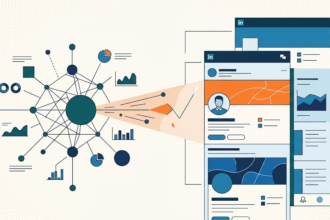
The Role of DPIAs In Shaping Data Privacy Legislation
Legislators have taken note of the integral role DPIAs play in safeguarding personal information. As a result, their influence is evident in emerging data privacy laws. Regulations such as the GDPR mandate DPIAs for processes likely to result in a high risk to an individual’s rights and freedoms. This has fundamentally shifted how companies approach data processing, leading to a greater emphasis on accountability and transparency.
- Risk Identification: DPIAs help in identifying and mitigating risks at an early stage.
- Compliance Demonstration: Carrying out a DPIA is a clear way to demonstrate compliance with data protection laws.
- Consumer Trust: By committing to regular DPIAs, companies can show their dedication to protecting user data, thus enhancing consumer trust.
DPIA regulations are being progressively included by policymakers into legislative frameworks to guarantee a methodical and thorough examination of privacy issues. Organizations that carry out DPIAs are actively influencing the rules that are meant to regulate data privacy rather than just ticking a box for compliance.
As they provide regulators with information and standards of excellence, organizations that support the proactive use of DPIAs frequently have an impact on data privacy laws. In a continually changing digital world, this knowledge sharing between legislative and commercial entities guarantees that data privacy rules remain applicable and efficient.
Educational initiatives and resources aimed at increasing DPIA awareness and competency are also on the rise. These programs are critical as they empower businesses with the necessary skills to conduct thorough data assessments, ensuring DPIAs contribute meaningfully to legislative evolutions.
Implications for Businesses and Individuals
DPIAs have considerable implications both for businesses that process personal data and for the individuals whose data is being processed. For businesses, DPIAs are not merely a legal requirement but a strategic instrument that can mitigate risk, shape internal data processing practices, and build public trust. Companies that proactively engage in DPIAs can benefit from early identification of privacy issues, potentially saving on costs associated with data breaches and non-compliance penalties.
By conducting these protection of data assessments, firms demonstrate accountability and commitment to data protection, which in the long run can result in a competitive advantage. Organizations need to understand that DPIAs should be seen as part of the business process, integrated from the design stage of any new project involving personal data.
For individuals, DPIAs serve a critical function in the protection of their rights and freedoms of personal data. They ensure that data subjects have a say in how their information is used and what measures are taken to safeguard it. By influencing legislation, DPIAs contribute to creating a legal environment that puts the individual’s privacy at the forefront.
When a DPIA results in steps that increase openness and give individuals control over personal information, all stakeholders—from legislators to those affected by data collection and analysis—benefit. DPIAs’ proactive approach empowers people by ensuring that their data is managed anticipatorily concerning any dangers and is not only dependent on reactive measures after a data event.
Conclusion
DPIAs stand as a cornerstone in the evolving landscape of data privacy, bridging the gap between legal compliance and ethical responsibility. They’re not only a safeguard for personal data but also a strategic tool for businesses to navigate the complexities of data protection laws. As privacy concerns grow in the digital era, the significance of DPIAs in shaping legislation becomes increasingly evident.
They ensure that both individual rights and corporate interests are aligned with the high standards of data privacy that society demands. Through DPIAs, businesses and lawmakers alike are better equipped to address the challenges and responsibilities of data stewardship in the 21st century.