
We use cookies, including third-party cookies from Google to serve personalized ads through AdSense, to operate this site and understand how it is used. By continuing to browse, you accept this use. See our Privacy Policy and Terms of Use for details, including how to opt out of personalized advertising.
Accept
SmartData CollectiveSmartData Collective
  • Analytics
    AnalyticsShow More
    What Kind of Problem-Solving Distinguishes Data Analysts From Software Engineers -- AI-generated illustration
    What Kind of Problem-Solving Distinguishes Data Analysts From Software Engineers
    7 Min Read
    chatgpt image jul 21, 2026, 04 34 30 pm
    4 Core Benefits of Predictive Maintenance after Vibration Analysis
    10 Min Read
    How Does Data Mining Boost Customer Satisfaction in Logistics? Harnessing Analytics for Results -- AI-generated illustration
    How Does Data Mining Boost Customer Satisfaction in Logistics? Harnessing Analytics for Results
    11 Min Read
    chatgpt image jul 13, 2026, 04 23 45 pm
    How Data Analytics Helps Companies Improve User Engagement
    19 Min Read
    chatgpt image jul 13, 2026, 03 59 46 pm
    How Data Analytics Improves Multi-Location Search Strategies
    10 Min Read
  • Big Data
  • BI
  • Exclusive
  • IT
  • Marketing
  • Software
Search
© 2008-25 SmartData Collective. All Rights Reserved.
Reading: Customer Data Integration (CDI) – for a Single View of Your Customer
Share
Notification
Font ResizerAa
SmartData CollectiveSmartData Collective
Font ResizerAa
Search
  • About
  • Help
  • Privacy
Follow US
© 2008-23 SmartData Collective. All Rights Reserved.
SmartData Collective > Data Management > Best Practices > Customer Data Integration (CDI) – for a Single View of Your Customer
AnalyticsBest PracticesBusiness IntelligenceCRMData WarehousingKnowledge ManagementPolicy and GovernanceText Analytics

Customer Data Integration (CDI) – for a Single View of Your Customer

RickSherman
RickSherman
4 Min Read
Customer Data Integration (CDI) – for a Single View of Your Customer
Photo by guvo59 on Pixabay (https://pixabay.com/photos/politics-refugees-a-book-to-learn-3591641/)
SHARE

How profitable are your customers? What have they purchased lately? Are there opportunities to up-sell and cross-sell to them? You and everyone else in your organization want to know everything possible about your customers. You want a single view of the customer that everyone across the enterprise can use.

There’s nothing new about this. Businesses have been trying to get a single view of their customers and prospects for years.

With the goal of a single view in mind, software vendors initially developed customer oriented applications such as call center, campaign management and sales force automation (SFA) applications. Later, these vendors attempted to merge all customer-centric applications under the customer relationship management (CRM) umbrella.

The big idea was that the CRM software would provide a single view of the customer.  It didn’t quite turn out that way, however. Businesses bought these applications from various vendors but also custom-built their own applications, resulting in scattered customer data across many application silos. The result: many views of the customer.

More Read

How Digital Experience Monitoring and Customer-Centric IT Makes Everyone Happy
Cloud Application versus On Premise, Myths and Realities
Survey Says Only 7% of European Companies Rate Big Data as Relevant [VIDEO]
Here Are The Most Important Ways To Ensure Customer Data Protection
After 31 Years of Spreadsheets, It’s Time to Move On

Nowadays the new application that people hope will straighten out their customer data is customer data integration. Customer data integration combines the technology, processes and services you need to create and maintain customer information from all available sources, including contact details, customer valuation data, and information gathered through interactions such as direct marketing.

There’s no question that there’s s a huge benefit to integrating and managing a business’ customer data. After all, most businesses sell either products or services to customers. These customers can be businesses (B2B) or consumers (B2C).

Typically, a business will use campaign management and SFA software to identify prospects and acquire customers. Then it will use call center software to enable excellent support to retain these customers. But it doesn’t stop there. The business also wants to know what its customers have bought from them and then try to up-sell and cross-sell additional products or services.

It is clear that data is both the key inhibitor and enabler to accomplish this.

Without integrated and well managed customer data, businesses will either not be able to target appropriate customers or will spend too much money in doing so. The most effective customer acquisition, retention and up-sell campaigns are enabled by well integrated and managed customer data.

The large investments in these customer-centric applications over the years bears witness to the significant business benefits that a single view of the customer can deliver to an enterprise.

Stay tuned for next week’s post, in which I discuss separating the hype from the reality of customer data integration.
Share This Article
Facebook Pinterest LinkedIn
Share

Follow us on Facebook

Latest News

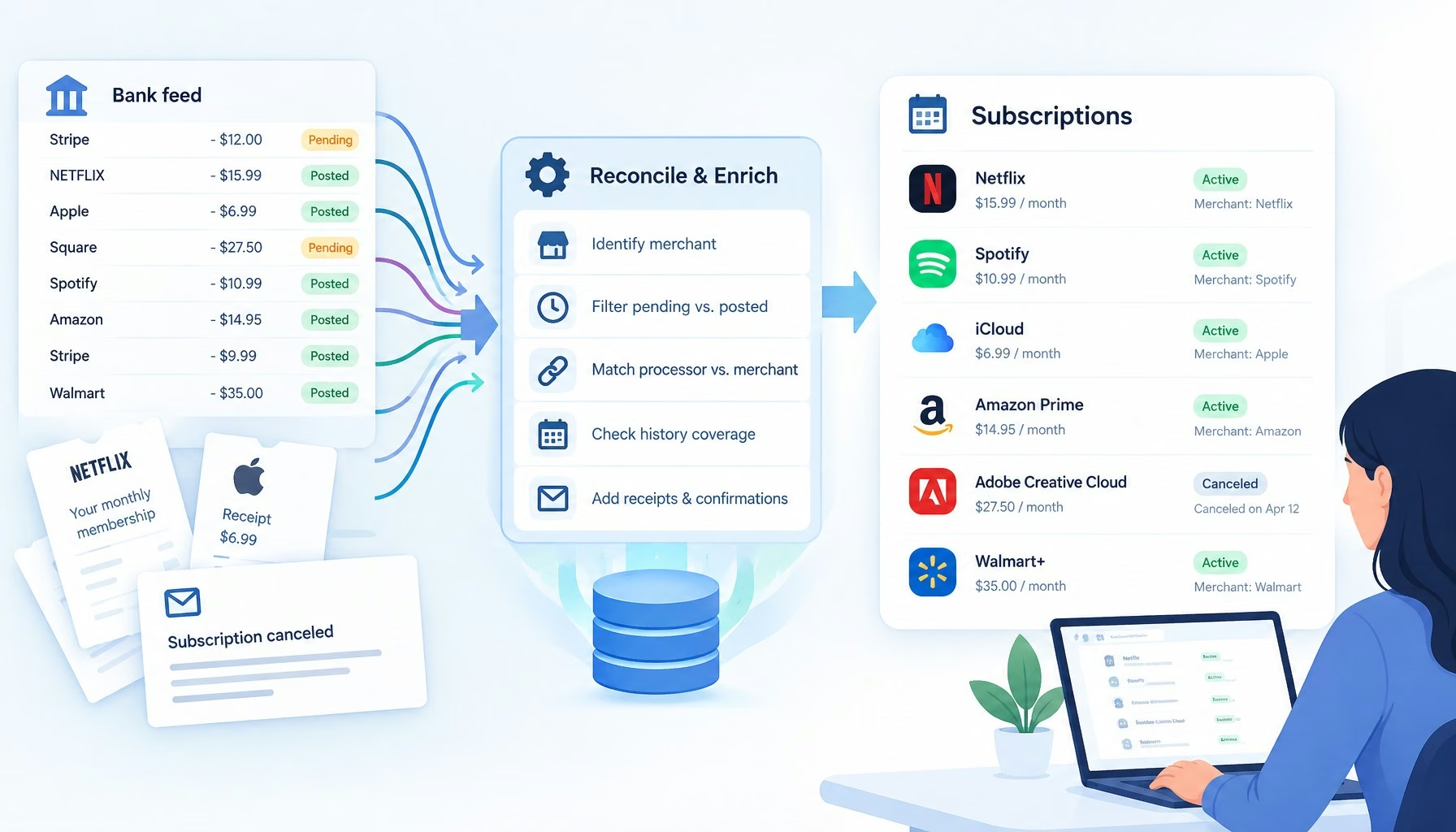
Flat editorial illustration: The article's core relationship is the gap between raw bank-feed records and reliable subscription i
Subscription Trackers Have a Transaction Data Problem
Big Data Exclusive
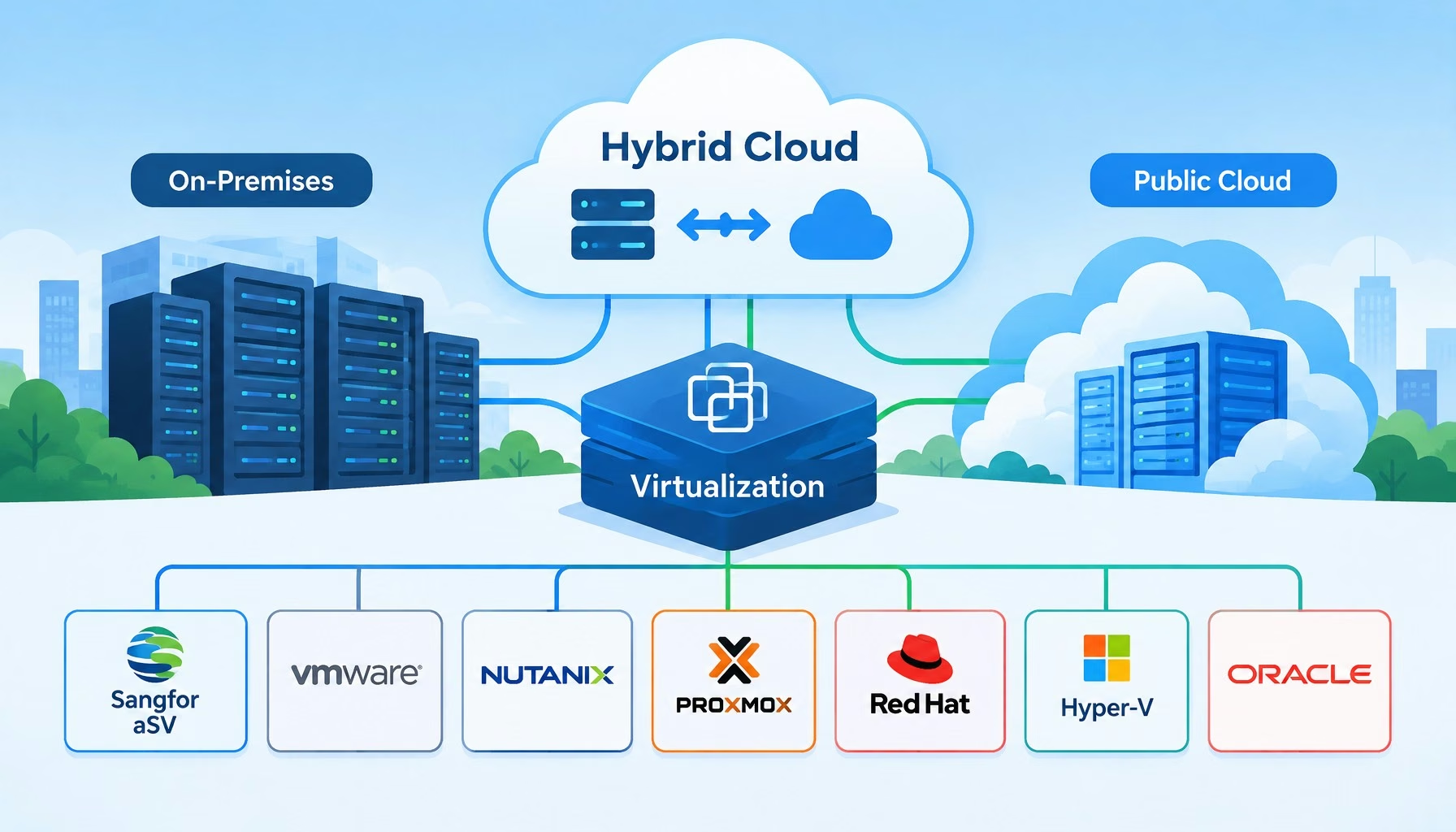
Flat editorial illustration: The article's core relationship is the hypervisor as the abstraction layer that makes hybrid cloud p
7 Best Virtualization Platforms for Hybrid Cloud Environments
Big Data
Flat editorial illustration: The article's core relationship is between aggregated workplace data (occupancy, environmental, feed
How Businesses Can Use Workplace Data to Create Better Office Environments
Big Data Business Intelligence Exclusive
Flat editorial illustration: The article's core relationship is the engineering transition from an AI prototype to a production-r
From AI Prototype to Production: Observability and Scalability Requirements for Data-Heavy SaaS Applications
Artificial Intelligence Exclusive

Stay Connected

1.2KFollowersLike
33.7KFollowersFollow
222FollowersPin

You Might also Like

AI Drives Breakthroughs in Therapy Practice Management Software
Artificial Intelligence

AI Drives Breakthroughs in Therapy Practice Management Software

12 Min Read
Business (NOT) as Usual: 3 Big Business Intelligence Predictions for 2015
AnalyticsBig DataBusiness IntelligenceData ManagementData MiningData QualityData VisualizationData WarehousingDecision ManagementExclusivePredictive Analytics

Business (NOT) as Usual: 3 Big Business Intelligence Predictions for 2015

6 Min Read
Data Quality: The Secret Assassin of CRM?
CRMData Quality

Data Quality: The Secret Assassin of CRM?

4 Min Read
BI Excellence or Analytic Horror - You Choose!
AnalyticsBusiness Intelligence

BI Excellence or Analytic Horror – You Choose!

5 Min Read

SmartData Collective is one of the largest & trusted community covering technical content about Big Data, BI, Cloud, Analytics, Artificial Intelligence, IoT & more.

The Art of Conversation: Enhancing Chatbots with Advanced AI Prompts
Chatbots
5 Great Tips for Using Data Analytics for Website UX
Big Data

Quick Link

  • About
  • Contact
  • Privacy
Follow US
© 2008-26 SmartData Collective. All Rights Reserved.
Welcome Back!

Sign in to your account

Username or Email Address
Password

Lost your password?