We use cookies, including third-party cookies from Google to serve personalized ads through AdSense, to operate this site and understand how it is used. By continuing to browse, you accept this use. See our Privacy Policy and Terms of Use for details, including how to opt out of personalized advertising.
Accept
SmartData CollectiveSmartData Collective
  • Analytics
    AnalyticsShow More
    chatgpt image jul 21, 2026, 04 34 30 pm
    4 Core Benefits of Predictive Maintenance after Vibration Analysis
    10 Min Read
    How Does Data Mining Boost Customer Satisfaction in Logistics? Harnessing Analytics for Results -- AI-generated illustration
    How Does Data Mining Boost Customer Satisfaction in Logistics? Harnessing Analytics for Results
    11 Min Read
    chatgpt image jul 13, 2026, 04 23 45 pm
    How Data Analytics Helps Companies Improve User Engagement
    19 Min Read
    chatgpt image jul 13, 2026, 03 59 46 pm
    How Data Analytics Improves Multi-Location Search Strategies
    10 Min Read
    cybersecurity efforts
    How Behavioral Analytics and AI Are Redefining Cybersecurity for Boca Raton Businesses
    14 Min Read
  • Big Data
  • BI
  • Exclusive
  • IT
  • Marketing
  • Software
Search
© 2008-25 SmartData Collective. All Rights Reserved.
Reading: What Data Scientists Must Learn About Customers
Share
Notification
Font ResizerAa
SmartData CollectiveSmartData Collective
Font ResizerAa
Search
  • About
  • Help
  • Privacy
Follow US
© 2008-23 SmartData Collective. All Rights Reserved.
SmartData Collective > Data Management > Best Practices > What Data Scientists Must Learn About Customers
AnalyticsBest PracticesCRMMarket ResearchMarketingSocial Data

What Data Scientists Must Learn About Customers

Brett Stupakevich
Brett Stupakevich
0 Min Read
What Data Scientists Must Learn About Customers
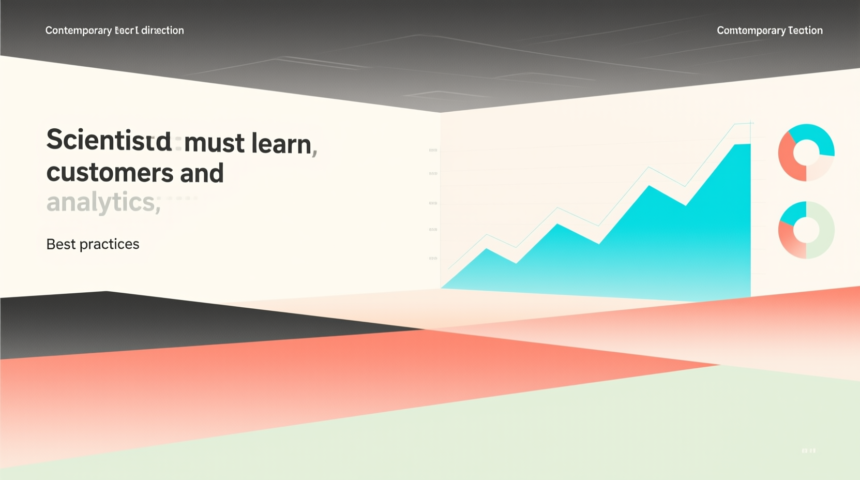
Illustration generated with qwen-image-Q4_K_M + Lightning LoRA (local ComfyUI).
SHARE

2012 has been coined the year of the customer by experts in a number of industries.

Because of this, companies are striving to become more customer-centric in their approaches to business.

But companies that hope to improve business outcomes by tightening relationships with consumers must gain a deeper understanding about their customers from the multiple channels customers use to interact with them.

While social, web, mobile, and other sources of customer data can help companies develop richer views of their customers, data analysts who work with this data need to develop a greater understanding about what makes customers tick.

More Read

Impersonating our new computer overlords
72% of People Aren’t Familiar with Hosted VoIP
Driving Adoption of Business Intelligence
Getting Smarter About Water?
The Future of Healthcare and Big Pharma is in Big Data Analytics

For instance, data scientists are adept at problem solving and doing root cause analysis to get at the heart of a business challenge or a goal that a company is striving to achieve. When it comes to tackling customer-focused strategies such as figuring out approaches to increase the Net Promoter Score (customers that are likely to recommend a company’s products to others) or sales of a particular product in a certain region, customer survey results and other forms of customer feedback can be useful guides.

Still, data scientists must do more than gather and act on common sources of customer data (contact, transactional, marketing information). It’s also critical for analysts to understand the drivers behind customer behavior as well as customers’ attitudes, needs, and preferences. Listening to what customers have to say, what makes them upset or happy, and examining the data (when customers place orders, why they left a web page) can reveal useful insights that decision makers can act on.

Needless to say, face-to-face discussions with customers are invaluable. And while data scientists aren’t in customer-facing roles, there are multiple ways they can connect with customers regularly.

For instance, data scientists can and should participate in customer forums, customer conferences, customer feedback sessions, roundtables, and other events to gain a richer understanding of what a company’s customers and prospects are looking for, what their sources of aggravation are, etc.

Still, there are certain things that customers often don’t share with companies through solicited surveys and other feedback vehicles that can help data scientists better understand customers more fully. For instance, sentiment analytics that are applied to social media mentions about a company can help data scientists determine if there’s an early-stage product or service issue that’s percolating and needs to be addressed.

Data scientists can also leverage emotion detection technologies. These can be used to gather and act on customer sentiment following contact center interactions to help identify problems with products that are causing customer angst and potentially defection as well as to act on suggestions for improving a company’s processes, including call center support.

By working with customer-facing supervisors and staff, data analysts can gain a better understanding of what business leaders are looking to achieve with their customer strategies. Just as companies need to gain 360-degree, multidimensional views of their customers, so, too, do the data scientists who are trying to make sense of all of this information.

Next steps: For more information on this topic, check out our complimentary “5-Minute Guide to CRM Analytics.”
Share This Article
Facebook Pinterest LinkedIn
Share

Follow us on Facebook

Latest News

How Search Engine Indexing Lags Behind Large-Scale Website Domain Migrations
News
How Great Content Moves Through A Marketing Ecosystem -- AI-generated illustration
How Great Content Moves Through A Marketing Ecosystem
Exclusive Infographic Marketing
What Your Brand Misses That Data Reveals -- AI-generated illustration
What Your Brand Misses That Data Reveals
Big Data Exclusive Infographic
5 Common Mistakes Businesses Make During the Risk Assessment Process -- AI-generated illustration
5 Common Mistakes Businesses Make During the Risk Assessment Process
Business Intelligence Exclusive Risk Management

Stay Connected

1.2KFollowersLike
33.7KFollowersFollow
222FollowersPin

You Might also Like

Digital Reasoning Goes Cognitive: CEO Tim Estes on Text, Knowledge, and Technology
Big DataText AnalyticsUnstructured Data

Digital Reasoning Goes Cognitive: CEO Tim Estes on Text, Knowledge, and Technology

16 Min Read
Book Review: Social Media Analytics by Marshall Sponder
AnalyticsBook ReviewSocial Data

Book Review: Social Media Analytics by Marshall Sponder

4 Min Read

Using Data Analytics and QR Codes to Boost Your Marketing Strategy

8 Min Read
Infographic: The Relationship between Business Professionals and KPIs
AnalyticsData Visualization

Infographic: The Relationship between Business Professionals and KPIs

2 Min Read

SmartData Collective is one of the largest & trusted community covering technical content about Big Data, BI, Cloud, Analytics, Artificial Intelligence, IoT & more.

The Art of Conversation: Enhancing Chatbots with Advanced AI Prompts
Chatbots
Artificial Intelligence for eCommerce: A Closer Look
Artificial Intelligence

Quick Link

  • About
  • Contact
  • Privacy
Follow US
© 2008-26 SmartData Collective. All Rights Reserved.
Welcome Back!

Sign in to your account

Username or Email Address
Password

Lost your password?