
We use cookies, including third-party cookies from Google to serve personalized ads through AdSense, to operate this site and understand how it is used. By continuing to browse, you accept this use. See our Privacy Policy and Terms of Use for details, including how to opt out of personalized advertising.
Accept
SmartData CollectiveSmartData Collective
  • Analytics
    AnalyticsShow More
    What Kind of Problem-Solving Distinguishes Data Analysts From Software Engineers -- AI-generated illustration
    What Kind of Problem-Solving Distinguishes Data Analysts From Software Engineers
    7 Min Read
    chatgpt image jul 21, 2026, 04 34 30 pm
    4 Core Benefits of Predictive Maintenance after Vibration Analysis
    10 Min Read
    How Does Data Mining Boost Customer Satisfaction in Logistics? Harnessing Analytics for Results -- AI-generated illustration
    How Does Data Mining Boost Customer Satisfaction in Logistics? Harnessing Analytics for Results
    11 Min Read
    chatgpt image jul 13, 2026, 04 23 45 pm
    How Data Analytics Helps Companies Improve User Engagement
    19 Min Read
    chatgpt image jul 13, 2026, 03 59 46 pm
    How Data Analytics Improves Multi-Location Search Strategies
    10 Min Read
  • Big Data
  • BI
  • Exclusive
  • IT
  • Marketing
  • Software
Search
© 2008-25 SmartData Collective. All Rights Reserved.
Reading: A Question of Scope
Share
Notification
Font ResizerAa
SmartData CollectiveSmartData Collective
Font ResizerAa
Search
  • About
  • Help
  • Privacy
Follow US
© 2008-23 SmartData Collective. All Rights Reserved.
SmartData Collective > Data Management > Best Practices > A Question of Scope
Best PracticesData MiningDecision ManagementInside CompaniesModeling

A Question of Scope

zamaes
zamaes
5 Min Read
A Question of Scope
Illustration generated with qwen-image-Q4_K_M (local ComfyUI) + quality 20-step CFG 4.
SHARE

Don’t bite off more than you can chew because nobody looks attractive spitting it back out.

– Carroll Bryant

I apologize for the image – but the sentiment is apt. My mother would have said that “my eyes were bigger than my stomach” and admonished me for letting good food go to waste. The problem is that when the size of the project is beyond the budget constraints of the business, or the capacity of the development team, work goes unfinished. And so it’s essential that the scope of the effort be understood before any commitment is made to complete it.

The scope of a data management initiative is influenced by 3 factors:

  1. Reference Architecture
  2. Source Data Requirements
  3. Target Dimensional Breakdown

Reference Architecture

The reference architecture determines the number of areas that need to be modeled and the number of times the data will be migrated from one sector to another. Each sector also has its own degree of complexity – some considerably less than others.

More Read

Big Data Lets You Profile and Recruit the Best Employees
Black Swans Causing a Rethink on Global Supply Chains?
The Journey from Big Data to Big Promise
Aligning Big Data
Sales Pitch: How to Sell Your IT Strategy to the Board
  • What is the reference architecture of the target solution?
  • How many sectors of the reference architecture are targeted for this initiative?
  • Are we building on an existing structure or is this the initial project?
  • Do you have existing architecture, naming and content standards?

EDW Reference Architecture

Source Data Requirements

The source data requirements are the list of fields that are to be brought into the target system. It is important to understand that a cost attaches to each one of these fields; and that if one field is being drawn from a source table, it will not be the same level of effort to bring in additional fields from the same table. Therefore, the scoping needs to be based on the number of individual pieces of information, rather than source tables.

  • How many distinct fields are required? (e.g., Customer First Name, Date of Birth, Industry Classification Code)
  • How many different source systems are involved?
  • How many different source tables are involved?
  • How many fields are being drawn from multiple sources? (e.g., Customer First Name coming from Marketing database and Point of Sale system)

Target Dimensional Breakdown

The target dimensional breakdown determines the breadth of subject areas being modeled, and the potential complexity of the processes involved.

The measures are numeric “counts and amounts” that either come directly from source systems, and so are relatively straightforward, or need to be calculated or derived from component values.

Obviously, these are more complex, and will involve the storage of both components and resulting calculations.

The dimensions give the measures context (e.g, sales by product, balances by branch). The number of different dimensions that need to be modeled and potentially mastered can have a significant impact on development time, particularly when they involve hierarchies.

  • What are the measures?
  • How many require calculations/derivations vs. coming directly from the sources?
  • What dimensions are being requested (customer, employee, store, branch etc.)?
  • What hierarchies are being requested?

Once you’ve established the scope of the project, you can estimate the time it will take to develop it. These are important inputs into understanding the order of magnitude of the task at hand; and an essential set of questions to be answered when communicating with the internal development team or a potential vendor.

We all know that scope can creep once the project gets going, and that becomes a management issue; but it’s important to start with a baseline understanding of the size of the task at hand. It helps set appropriate expectations for everyone involved. And it’s good for the digestion.
Share This Article
Facebook Pinterest LinkedIn
Share

Follow us on Facebook

Latest News

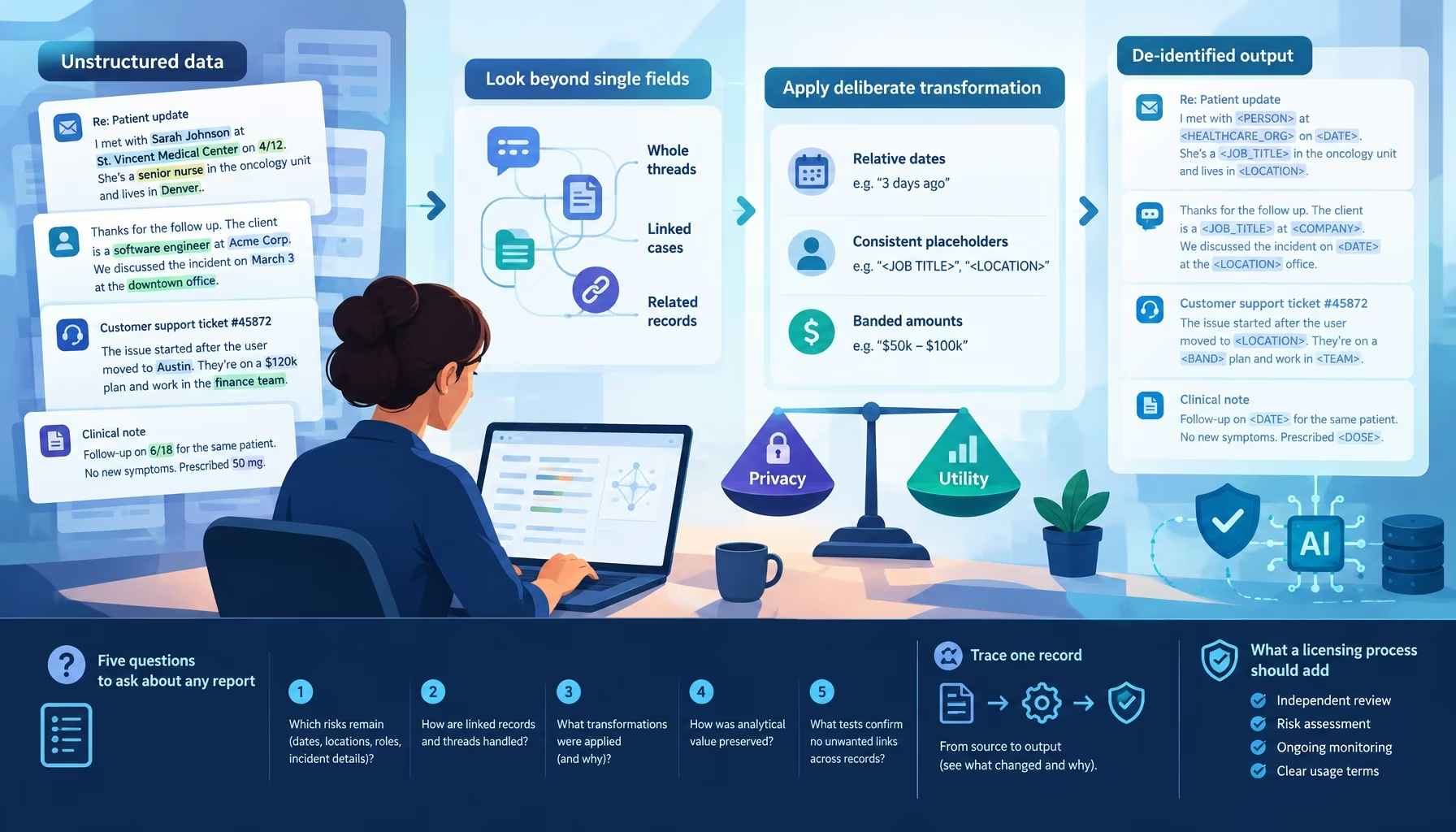
Flat editorial illustration: A tech-editorial depiction of contextual re-identification risk in linked unstructured support recor
Stripping the Names Isn’t Enough: De-Identifying Unstructured Data
Exclusive Unstructured Data
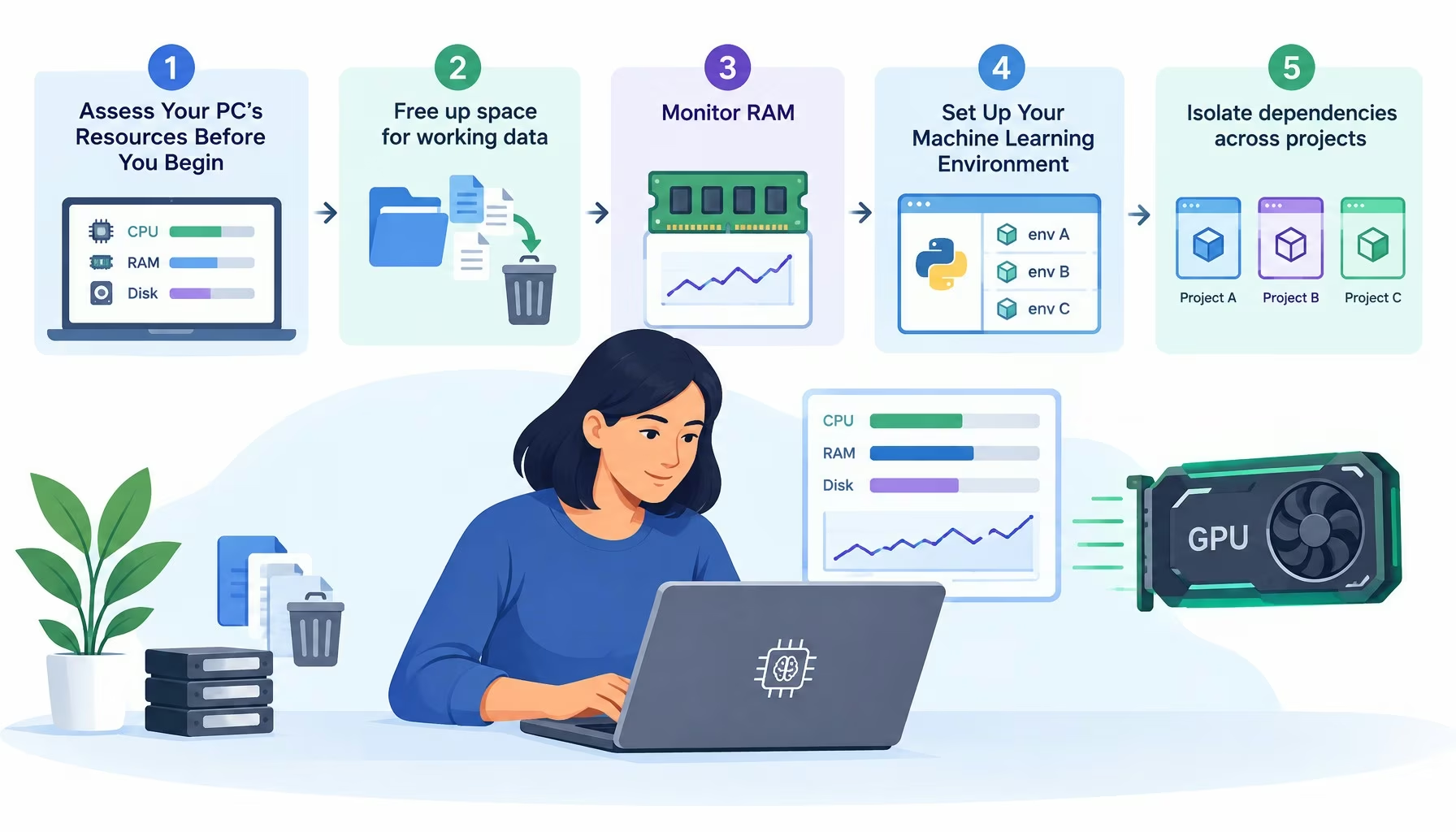
Flat editorial illustration: The article connects practical management of local data, memory and software environments with direc
How Data Professionals Optimize Devices for AI and ML Projects
Artificial Intelligence Data Science Exclusive Machine Learning
Flat editorial illustration: The article connects verified lease abstraction at signing to accurate property charges and faster m
AI Lease Abstraction and Month-End Close Speed-Up Checklist
Artificial Intelligence Exclusive
Flat editorial illustration: The article explains that file-system choice determines whether Windows, macOS, and Linux can read o
Understanding File System Compatibility Across Windows, macOS, and Linux
Cloud Computing Exclusive

Stay Connected

1.2KFollowersLike
33.7KFollowersFollow
222FollowersPin

You Might also Like

In Praise of Industry Models
Business IntelligenceData WarehousingModeling

In Praise of Industry Models

5 Min Read
Dronegate: The First Casualty is Our Cybersecurity Paradigm
Best PracticesPolicy and GovernanceSecurity

Dronegate: The First Casualty is Our Cybersecurity Paradigm

6 Min Read
Data Collection: Get All Your Customers to Sign Up for Your Digital Campaigns
Best PracticesData MiningMarket ResearchMarketing

Data Collection: Get All Your Customers to Sign Up for Your Digital Campaigns

2 Min Read
The VoC Hoax (follow-up post)
Best PracticesCRM

The VoC Hoax (follow-up post)

5 Min Read

SmartData Collective is one of the largest & trusted community covering technical content about Big Data, BI, Cloud, Analytics, Artificial Intelligence, IoT & more.

Chatbots and SEO: How Can Chatbots Improve Your SEO Ranking?
Artificial Intelligence Chatbots Exclusive
The Art of Conversation: Enhancing Chatbots with Advanced AI Prompts
Chatbots

Quick Link

  • About
  • Contact
  • Privacy
Follow US
© 2008-26 SmartData Collective. All Rights Reserved.
Welcome Back!

Sign in to your account

Username or Email Address
Password

Lost your password?