
One of the trickiest things for businesses to navigate in the age of social media is the customer complaint. On one hand, companies (especially startups) should take customer concerns into account when considering improvements or design changes to a product.
Let’s take a look at why it matters and possible motivations for malicious complaints, and then we’ll explore some data-driven solutions that can help companies understand which actions they should take.
Should Companies Care if Customer Complaints are Genuine or Not?
Many businesses might initially balk at the idea of ignoring customer feedback. For years, the experts stated that “10 angry letters could represent a thousand angry customers.” Most people wouldn’t write in to complain but those who did were indicative of a larger trend of customer dissatisfaction.
During the letter-writing days of the past, that was probably true. However, with internet access at an all-time high, customer complaints and bad reviews have also increased exponentially.
According to the Review Control Center, a single bad review can cost a company anywhere from $3,750 to $15,000 in lost revenue or 10% of your potential customer base.
Additionally, a false or malicious customer complaint might cause a business to make an unforced error. A product or service that works well for a majority of customers could be changed due to a large number of users “complaining” on social media.
Why Would Someone Write Fake Reviews or Complaints?
There are many reasons why fake reviews or complaints could be issued against a company, ranging from low-grade revenge to larger conspiracies. Let’s look at a few examples involving a fictional tech company called “Jim’s Software Solutions”.
One of the customer service managers at Jim’s is a man named Mark, who mostly keeps to himself. One day, he tells a customer that he can’t refund their software purchase because he’s not authorized by the company to do so.
The customer is furious and gets some other online trolls to flood the customer service email inbox with angry stories about how Mark responded to their legitimate complaints with abuse and swore at them over the phone. When his bosses find out about it, Mark is (unfairly) immediately fired, even though not a single word is true. His replacement is not as good at the job and customers leave due to the drop in customer service.
For another example, imagine a rival firm called “Tommy’s Software Emporium” realizes it can’t compete with Jim’s, so they create fake social media accounts and email addresses to spam Jim’s customer service email and Twitter page with accusations that Jim’s software causes the Blue Screen of Death, even posting doctored videos that reach the Trending page. Jim’s then takes that software off the market, allowing Tommy’s to overtake their market share.
Using Data Analysis to Verify Customer Experiences
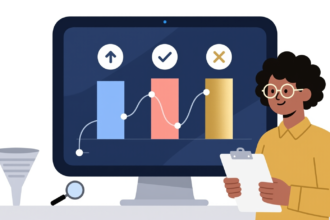
Alternatively, instead of taking rash actions, Jim’s Software Solutions could go another route: by using data analysis, they can determine whether or not these complaints are genuine or if they’re the result of something more sinister.
As a result of the analysis, they find that, although every email used different wording for a majority of the text, every single complaint used the exact phrase, “Mark went on an angry tirade and used swear language to insult me”. The odds of 158 customers all using the phrase “swear language”, which is not a common expression, leads them to conclude the complaints had a common (malicious) source.
Their business VoIP phone call logs also reveal that none of the alleged calls took place at the times or dates that the customers claimed they did.
In the second scenario, the data analysis reveals that 110 of the 125 angry emails they received were sent from the same IP address, which is then traced to Tommy’s Software Emporium’s corporate headquarters.
Further, a check of the Twitter accounts posting the videos reveals that a majority were created within the past week and many have no previous posts, while those that do have only posted complaints about other software companies. They conclude that the attacks are untrue and post a video demonstrating that their software works as intended.
Summary and Conclusion
By looking for repeated phrases, checking IP addresses when possible, verifying customer profiles, and other forms of data analysis, companies can reveal whether social media/email complaints or negative reviews posted about their products or services are legitimate or are part of a coordinated attack meant to undermine them.