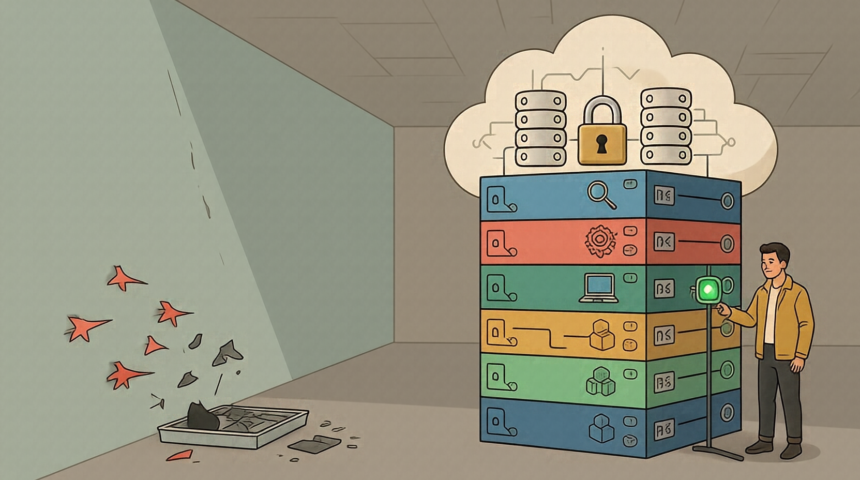
Sensitive data doesn’t stop being sensitive when it moves to the cloud. Protecting it there means defending infrastructure, applications, and the data itself against attackers who have gotten considerably better at their jobs — and who now treat cloud misconfigurations as a primary way in. The security controls that worked on a server in a closet don’t map cleanly onto distributed, API-driven environments.
Adoption has outpaced protection. As more workloads shifted to cloud-based platforms, attackers followed, refining techniques designed specifically to reach information sitting in those environments. Capital One learned this in 2019, when the financial institution suffered a massive data breach that exposed personal and financial information belonging to more than 100 million customers. Estimates put the cost to the company somewhere between $100 million and $150 million.
Seven years later, the conditions that made that breach possible have only spread further across enterprise infrastructure.
“The traditional security perimeter no longer exists, especially with multicloud adoption. Proactive cloud security posture management and clear user security guidelines are critical steps toward the prevention of costly breaches and operational disruptions.”
AJ Thompson, Chief Commercial Officer, Northdoor, in CSO Online, 2026That number should get any executive’s attention. Businesses handling customer data in the cloud need security measures built for the environment they’re actually operating in, not retrofitted from an older model. Cloud data security tools make this considerably more manageable by automating and monitoring the key security functions that would otherwise depend on someone noticing a problem in time.
More Read

Top Tools for Your Cloud Data Security in 2026
The tools below cover different slices of the same problem: finding sensitive data, watching who touches it, and catching trouble before it turns into a breach. Some focus on discovery and classification. Others sit closer to runtime, or handle identity and access. Used well, they raise the floor on a company’s cloud security posture rather than just adding another dashboard to check. Here are some of the top tools for cloud data security in 2026:
Sentra
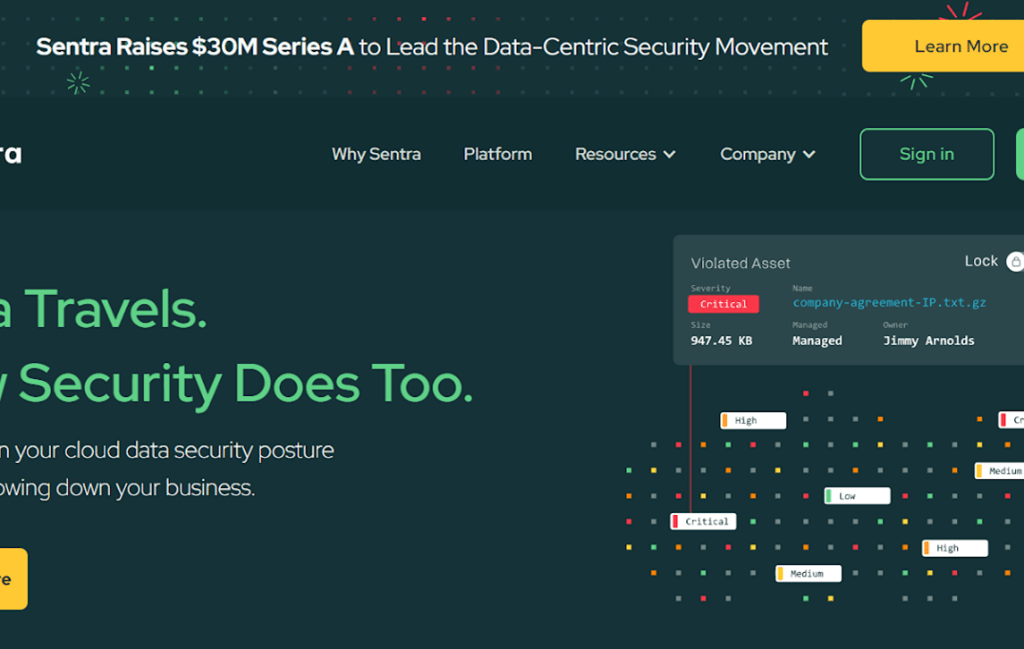
Shadow data — sensitive information sitting somewhere nobody accounted for — is the problem Sentra was built around. The platform helps companies find where their sensitive records actually live, then applies the right security posture to that PII so the most critical assets stay out of reach during a breach. Network security, vulnerability scanning, and intrusion detection all sit under the same roof. Data security posture can be assessed on a continuous basis, which matters for both risk work and compliance reporting. One practical detail worth noting: the intelligent data scanning doesn’t run up an enormous bill, so teams keeping an eye on cloud spend can use it without wincing at the monthly invoice.
Piiano
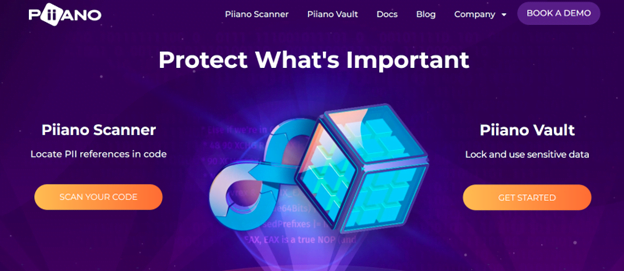
Real-time protection for cloud applications and APIs arrives here in two distinct pieces from Piiano. Piiano Scanner works as a privacy intelligence tool, giving teams immediate visibility into where sensitive personal data sits and flagging privacy problems directly in source code. Piiano Vault handles the storage side, keeping sensitive records protected through compliance methods aligned with GDPR and CCPA. What stands out is the degree of control on offer. Access permissions are granular, and there is substantial oversight of how data gets used inside the codebase itself. Between the scanner and the vault, sensitive information ends up both located and locked down, which is what makes Piiano a sensible pick for cloud data security.
Cyera
Cyera is a unified AI data security platform built around the idea that protection starts with knowing where sensitive data actually lives. Its data security posture management (DSPM) capability discovers and classifies sensitive data across cloud services, SaaS applications, and on-premises environments, so security teams are not relying on outdated inventories or manual tagging. Beyond discovery, Cyera provides access governance that tracks who and what is reaching sensitive data, including AI agents, and it can automatically remediate the issues it identifies rather than simply reporting them. The company is independent and privately held, and a Series G round in June 2026 valued it at $12 billion, making it one of the larger standalone vendors in the data security category.
Sysdig
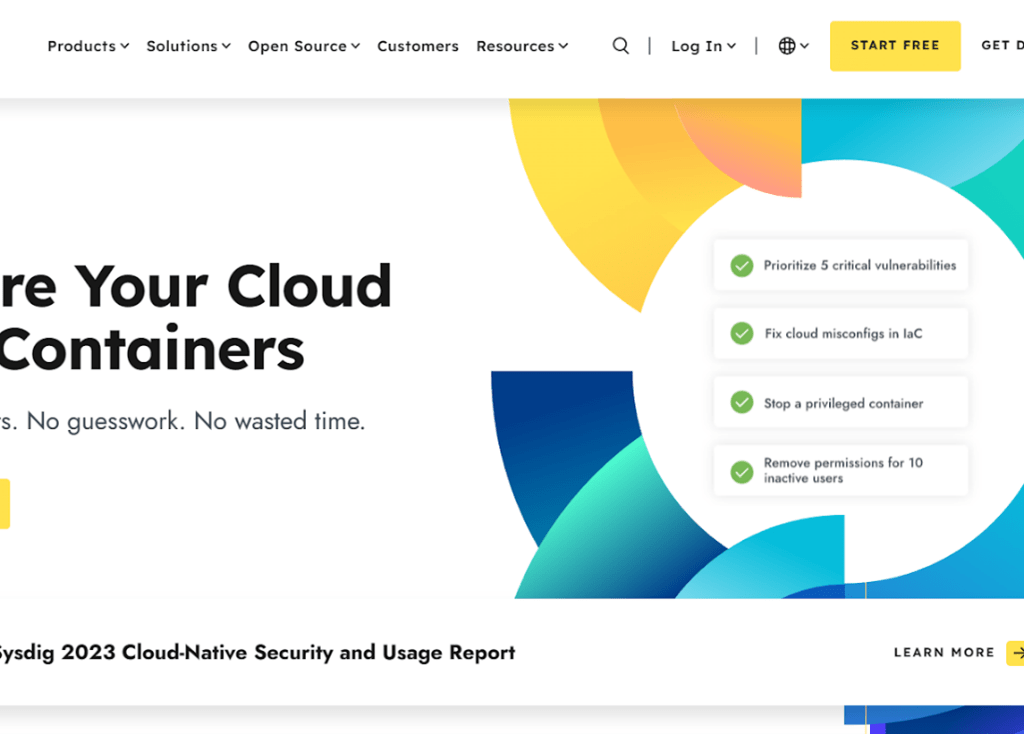
Container monitoring and security is the entire remit of Sysdig, built for teams running complicated cloud-native environments. It surfaces performance and security information from containerized applications and their underlying infrastructure as events happen, rather than hours after the fact. System calls, network activity, and other system events all get captured, producing a detailed picture of how individual containers behave. Security coverage spans image scanning through to runtime security policies. Orchestration compatibility was clearly a design priority — Kubernetes, Docker Swarm, and Mesos all slot in without much friction. For engineers who need to explain what a container was doing at a specific moment, that event-level detail is the draw.
JupiterOne
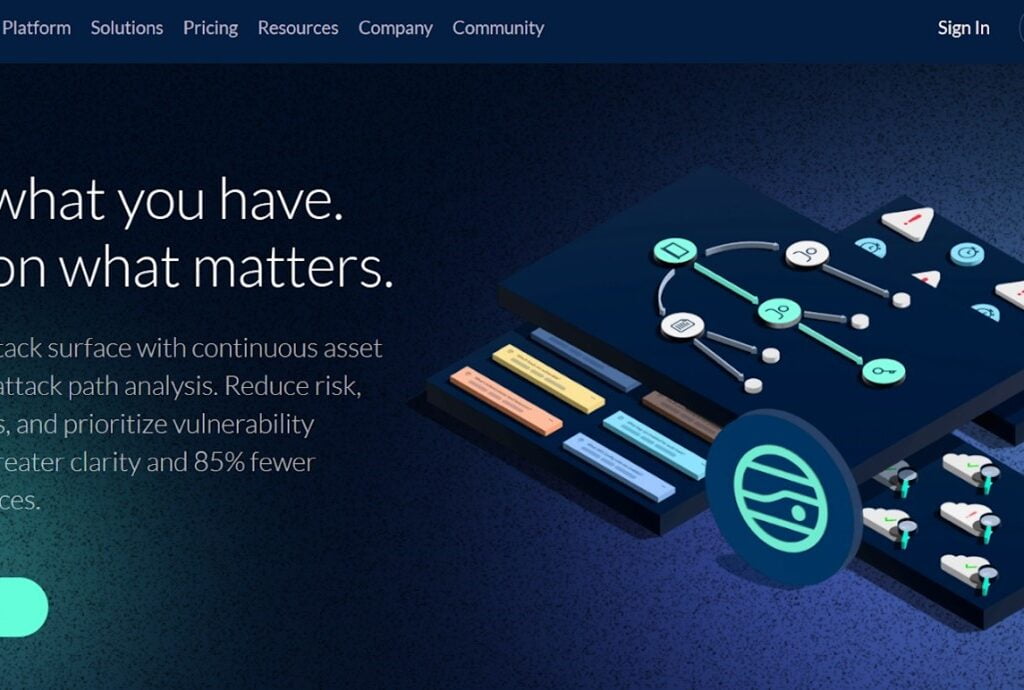
Automation is what separates JupiterOne from a manually maintained asset inventory. The platform pulls security data out of many different sources, then analyzes and correlates it to surface both security risks and compliance issues. Digital assets get managed from a single place: policies are written, access controls are set, workflows are defined. Visualization tools and reports round things out, giving teams a readable measure of security posture and a record of where compliance stands. Regulatory coverage includes standards such as PCI, HIPAA, and SOC2. For organizations whose asset sprawl has long outgrown a spreadsheet, that pairing of automated collection with clear reporting carries real weight.
Auth0
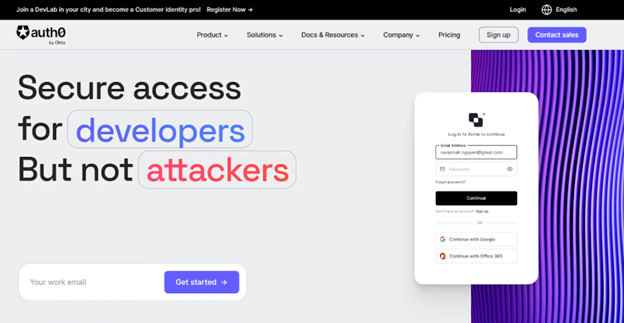
Since 2021, Auth0 has operated as part of Okta while continuing to run as its own distinct product. Its job is cloud-based identity and access management, which in practice means securing how people and systems reach applications, APIs, and devices. The standard identity protocols are supported, OAuth, OpenID Connect, and SAML included. Security staff can manage user profiles, assign roles and permissions, and enforce security policies centrally. Integration with a range of third-party applications comes built in. The platform can also be customized to fit specific business requirements instead of forcing teams into a fixed configuration, which is part of why it turns up so often in cybersecurity toolchains.
Frequently Asked Questions
What does a cloud data security tool actually do?
Most cloud data security tools handle some combination of discovery, classification, monitoring, and enforcement. Discovery and classification identify what sensitive data you hold and where it sits across cloud accounts, SaaS apps, and data stores. Monitoring and enforcement then track how that data is accessed and configured, flagging exposed buckets, excessive permissions, or policy violations. The stronger tools also remediate problems automatically instead of leaving a backlog of alerts for your team.
How is DSPM different from broader cloud security tooling?
Data security posture management starts with the data itself, cataloging sensitive records and then assessing the risk attached to them. Broader cloud security tools such as CSPM and workload protection platforms focus on infrastructure: misconfigured resources, vulnerable containers, and runtime threats. The two are complementary, since knowing a server is misconfigured matters much more once you know it holds customer payment data. Many organizations run both, and some vendors now bundle them.
Do we need several tools or a single platform?
It depends on how fragmented your environment is and how large your security team is. A 2025 IBM Institute for Business Value study found that organizations are already juggling an average of 83 different security solutions from 29 vendors, which is the kind of sprawl a single platform is meant to cut down on: one set of policies, less integration work, and fewer duplicated alerts. Multiple specialized tools can still give deeper coverage in specific areas, such as container runtime security or database activity monitoring, but they require someone to correlate the findings. Audit what you already own before buying, because overlap between existing cloud provider features and third-party tools is common.
Conclusion
More workloads move to the cloud every year, and attackers have noticed. A single breach can drain money from the balance sheet, trigger regulatory fines, and leave a reputation that takes years to rebuild. That is the case for treating cloud data security as a standing requirement rather than a project — sensitive data living in cloud environments needs protection from online threats that are not going away.
Across the tools covered here you’ll find vulnerability scanning, compliance-adherent storage, endpoint protection, container security, visualization, and permission controls. No single product does all of it. What matters is acting before an incident forces the issue: companies that put real cloud security services in place ahead of time cut their exposure and avoid the damage a successful attack can do.