AI technology is becoming an integral part of many industries. The automotive sector is a prime example. Global automotive companies are expected to spend $74.5 billion on AI by 2030.
From the early days of the automobile, back in 1901, the automobile has never stopped evolving. The rise of industrialization led to the automobile becoming commonplace in many households. With the advances made in microprocessor technology in the early 1970s, the automotive industry soon developed their first, albeit primitive, versions of smart cars. These cars had built-in computers that regulated elementary functions such as fuel management and automatic transmissions. During the expanse of the last 50 years, the industry has never stopped evolving.
In the modern era of automotive technology, cars come with more than 100 electronic control systems that utilize more than 15 million lines of code. This has allowed modern cars to take advantage of AI technology in ways that were unimaginable just 10 years ago.
There are a lot of benefits of utilizing AI technology in the automotive sector. Many companies are using AI to create more energy efficient and cost-effective vehicles. However, AI has also helped make cars safer as well.

AI Boosts Security and Safety in Modern Cars
Modern automobiles are jam-packed with features for both safety and infotainment. These features wouldn’t be possible without AI. Although there are many benefits of embedding AI in these cars, one of the biggest selling points is that it makes vehicles safer. \
We could even say that the modern automobile has become akin to a smart device, requiring updates as well as automotive cybersecurity. So many smart devices have started to connect and communicate over the internet, that the term Internet of Things (IoT) has been coined to describe these “network-aware” devices. Today’s automobiles are no different and are also classified as IoT “devices”.
What are the driving factors behind this immense explosion of new AI technologies? Where did they all come from, and why does it seem that they are suddenly embedded everywhere? How do they make vehicles safer?
The main reason why the connected technology we have today was not available during the early years of microprocessor-driven automobiles, is simple. Fast and reliable wireless communication was not commercially available back then. Take the communications standard 4G for example. Since it was made commercially available, automotive OEMs started having the flexibility to have more communication technologies built into automobiles. It allowed automobiles to connect to mobile networks at greater speeds, stimulating the development of features that could utilize this available bandwidth.
The same could definitely be said about 5G technology. Greater communication speeds allow for more specialized in-vehicle technologies. After many years of seeing self-driving cars in Hollywood that had the ability to communicate with their driver, the capability was finally within reach. All because of external technology advancements. What owners don’t always realize is that there is a lot more going on under the hood than what they experience in the vehicle cabin. Most modern automobiles, today, ship with some form of artificial intelligence (AI) built into their microsystem infrastructure.
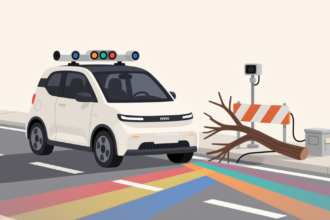
This AI could be utilized as a safety feature, like real-time risk assessment, for example, alerting the driver when a potential incident has been detected. Other uses include vehicles that can drive autonomously. The automotive market penetration of AI has increased by 100% since 2015.
Although having automobiles making and accepting network connections has fast-tracked many advancements it also opened a very dangerous door, a pandora’s box, if you will.
In July of 2015, two hackers managed to remotely take complete control of a Jeep Cherokee while it was driving on the highway. This highlighted two very important questions: “How safe are these networked automobiles from malicious actors?” and “What should OEMs do to avoid this from ever happening again?”. After this incident went viral on social media, Chrysler released a software patch to combat this kind of attack.
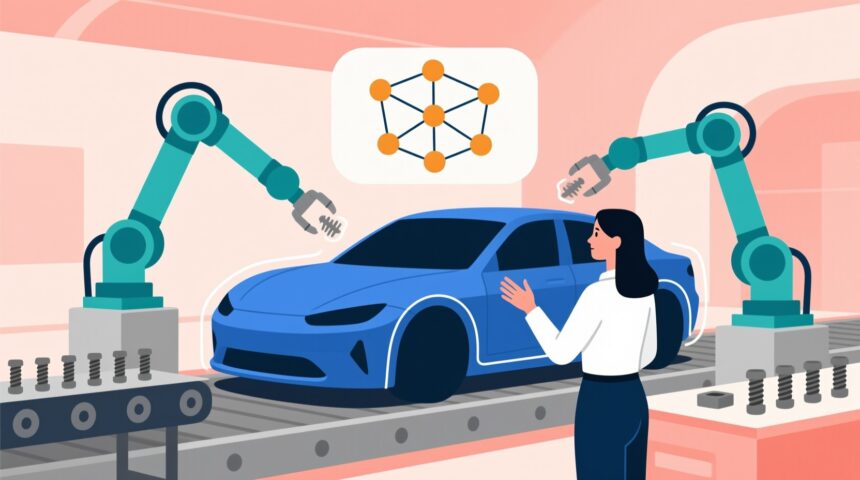
In a nutshell, OEMs need to focus on two major areas on the road forward. The first is developing high-quality software. Software that has bugs need to be properly tested at all stages of development for both functionalities as well as cybersecurity. The industry has also shown that the automation of software testing and especially cyber security testing, results in systems that are more reliable and safer. Utilizing advanced heuristics and AI modeling OEMs can simulate a multitude of conditions, fast-tracking these models using automation.
OEMs also utilize live feedback from the vehicles they have produced to create predictive AI models. These predictive models would then form the basis of any new development, guiding software developers through possible pitfalls.
AI is Leading to a Generation of Safer Vehicles
The future of automobiles is an exciting one, to say the least. AI technology is playing a key role in this transformation. If OEMs can ensure the safety of their products through automated cybersecurity and quality testing, the sky will be the limit. Providing the most benefit to customers while fortifying and mitigating current and future risks. All through the innovative application of AI and automated cybersecurity testing.