We use cookies, including third-party cookies from Google to serve personalized ads through AdSense, to operate this site and understand how it is used. By continuing to browse, you accept this use. See our Privacy Policy and Terms of Use for details, including how to opt out of personalized advertising.
Accept
SmartData CollectiveSmartData Collective
  • Analytics
    AnalyticsShow More
    chatgpt image jul 21, 2026, 04 34 30 pm
    4 Core Benefits of Predictive Maintenance after Vibration Analysis
    10 Min Read
    How Does Data Mining Boost Customer Satisfaction in Logistics? Harnessing Analytics for Results -- AI-generated illustration
    How Does Data Mining Boost Customer Satisfaction in Logistics? Harnessing Analytics for Results
    11 Min Read
    chatgpt image jul 13, 2026, 04 23 45 pm
    How Data Analytics Helps Companies Improve User Engagement
    19 Min Read
    chatgpt image jul 13, 2026, 03 59 46 pm
    How Data Analytics Improves Multi-Location Search Strategies
    10 Min Read
    cybersecurity efforts
    How Behavioral Analytics and AI Are Redefining Cybersecurity for Boca Raton Businesses
    14 Min Read
  • Big Data
  • BI
  • Exclusive
  • IT
  • Marketing
  • Software
Search
© 2008-25 SmartData Collective. All Rights Reserved.
Reading: Predictive analytics turn uncertainty into usable probability
Share
Notification
Font ResizerAa
SmartData CollectiveSmartData Collective
Font ResizerAa
Search
  • About
  • Help
  • Privacy
Follow US
© 2008-23 SmartData Collective. All Rights Reserved.
SmartData Collective > Analytics > Predictive Analytics > Predictive analytics turn uncertainty into usable probability
Predictive Analytics

Predictive analytics turn uncertainty into usable probability

JamesTaylor
JamesTaylor
5 Min Read
Predictive analytics turn uncertainty into usable probability
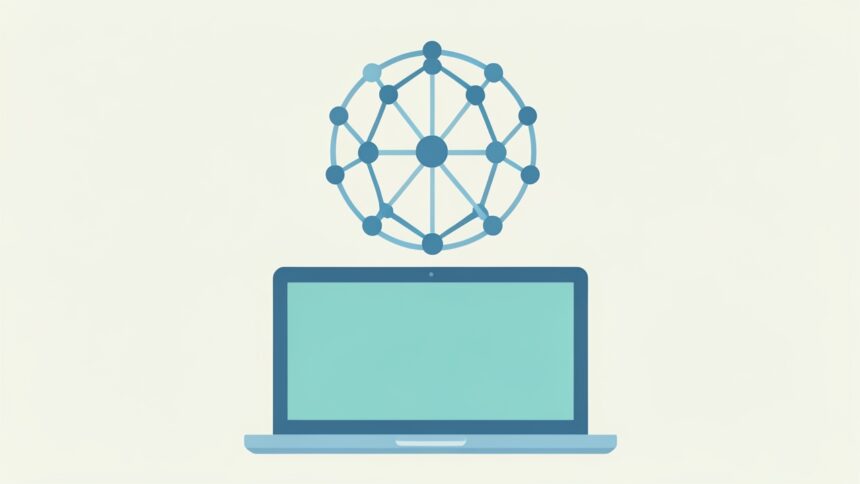
Illustration generated with FLUX.2 [klein 4B] via Cloudflare Workers AI.
SHARE

Following on from yesterday’s post on analytics, let’s talk about predictive analytics. Another phrase I picked up while working at FICO was this one:

Predictive analytics turn uncertainty about the future into usable probability

Again, I don’t know if the phrase originated there or was just in common usage but it always struck me as a particularly powerful phrase. If you think about the future, it is inherently uncertain. You don’t know which customers will fail to pay their bills, will crash their cars or will desert to a rival supplier. If you did know you could do something about it – make them pay in advance rather than offering credit, charge them a higher insurance premium or make a proactive retention offer. And your business would be the better for it. Lacking a crystal ball, however, most companies seem to resign themselves to not being able to do anything about these kinds of things and become entirely reactive – putting customers into collections, raising premiums for those that crash and chasing after customers who leave.

But …

Copyright © 2009 James Taylor. Visit the original article at Predictive analytics turn uncertainty into usable probability.

More Read

Big Data: A Natural Solution for Disaster Relief
First Look – FICO Insurance Fraud Manager
Danger: 3 Reasons to Be Scared of Big Data
Business Intelligence Solutions Aid Financial Services Fraud Prevention
Four Ways to Develop Customers for Life

Syndicated from ebizQ

Following on from yesterday’s post on analytics, let’s talk about predictive analytics. Another phrase I picked up while working at FICO was this one:

Predictive analytics turn uncertainty about the future into usable probability

Again, I don’t know if the phrase originated there or was just in common usage but it always struck me as a particularly powerful phrase. If you think about the future, it is inherently uncertain. You don’t know which customers will fail to pay their bills, will crash their cars or will desert to a rival supplier. If you did know you could do something about it – make them pay in advance rather than offering credit, charge them a higher insurance premium or make a proactive retention offer. And your business would be the better for it. Lacking a crystal ball, however, most companies seem to resign themselves to not being able to do anything about these kinds of things and become entirely reactive – putting customers into collections, raising premiums for those that crash and chasing after customers who leave.

But companies that understand the power of predictive analytics can become proactive. Predictive analytics are not perfect at predicting the future but they allow you to see how likely something is. Take our three examples:

  • Historical data about which customers paid on time and on the behavior of customers before they stopped paying on time can be used to predict the likelihood that a particular customer is at risk of not paying on time.
  • Analysis of the behavior of cars and drivers involved in accidents can find the characteristics of cars and drivers that increase risk and a model developed to predict the likelihood of a particular car/driver combination having an accident in the next 12 months.
  • The changes in behavior of customers who went to a competitor while they were still customers can be analyzed to identify those behaviors that should be considered triggers for proactive retention – the behaviors that make it more likely that this customer is considering leaving

In each case we are moving from simply being uncertain to having some idea of the probability of something being true. This allows us to act, and act proactively. We will likely try and retain some customers who weren’t going to leave or restrict the credit of someone who would have turned out to be a perfectly good risk but overall our business will run better and more profitably. Our decisions will be able to see through the uncertainty inherent in business and will be better for it.

TAGGED:analytics
Share This Article
Facebook Pinterest LinkedIn
Share

Follow us on Facebook

Latest News

Analyst points at colorful circular data dashboard on screen - information technology business metrics
How Fragmented Workplace Tech Undermines Reliable Business Metrics and Reporting
Cloud Computing Exclusive Infographic IT
Using Multi-Source Data and Analytics to Detect Operational Drift Across Franchise Networks -- AI-generated illustration
Using Multi-Source Data and Analytics to Detect Operational Drift Across Franchise Networks
Exclusive Infographic
Beyond The First Impression: The Long-Lasting Impact Of Sensory Marketing -- AI-generated illustration
Beyond The First Impression: The Long-Lasting Impact Of Sensory Marketing
Infographic Marketing
The Infrastructure Gap Slowing Data Center Growth -- AI-generated illustration
The Infrastructure Gap Slowing Data Center Growth
Big Data Cloud Computing Exclusive Infographic IT

Stay Connected

1.2KFollowersLike
33.7KFollowersFollow
222FollowersPin

You Might also Like

Adding Business to Analytics
AnalyticsBusiness IntelligenceCloud ComputingCRMData VisualizationDecision ManagementMarket ResearchMarketingPredictive Analytics

Adding Business to Analytics

5 Min Read
Some thoughts on advanced analytics
Business Intelligence

Some thoughts on advanced analytics

5 Min Read
Data Visualizations: The Tip of the Iceberg of Understanding
Uncategorized

Data Visualizations: The Tip of the Iceberg of Understanding

0 Min Read
Converting Data into Decisions
AnalyticsBusiness IntelligenceData Quality

Converting Data into Decisions

5 Min Read

SmartData Collective is one of the largest & trusted community covering technical content about Big Data, BI, Cloud, Analytics, Artificial Intelligence, IoT & more.

AI chatbots
AI Chatbots Can Help Retailers Convert Live Broadcast Viewers into Sales!
Chatbots
Artificial Intelligence for eCommerce: A Closer Look
Artificial Intelligence

Quick Link

  • About
  • Contact
  • Privacy
Follow US
© 2008-26 SmartData Collective. All Rights Reserved.
Welcome Back!

Sign in to your account

Username or Email Address
Password

Lost your password?