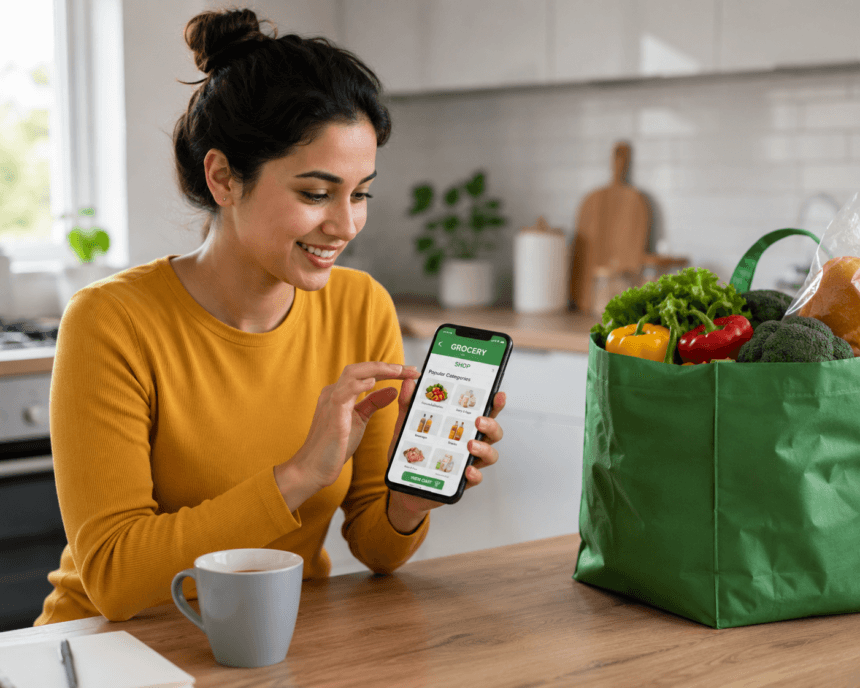
One of the things we have written a lto about on Smart Data Collective is how data analytics is changing the way people make buying decisions in everyday life. One of the ways that it helps them is with grocery shopping.
A recent survey from BusinessWire found that 42% of shoppers are using big data to shop, and there are many grocery customers now relying on apps, digital coupons, purchase histories, and recommendation systems to compare prices and plan meals before they even enter a store.
“We are witnessing the early stages of an industry-wide fundamental shift from search to decision,” Liz Buchanan, President of North America, NIQ told BusinessWire. “AI is not replacing the consumer, but it is dramatically reshaping how choices are made. The companies that win in this next era will be the ones that understand how to show up in those moments and deliver both value and trust.”
Something that many consumers appreciate about data-driven grocery shopping is the ability to find deals that match their personal habits and dietary preferences. Another thing that has changed in recent years is that grocery stores and online retailers can now study customer behavior patterns to recommend products people are more likely to buy again. Keep reading to learn more.
How Data Analytics Is Changing Grocery Shopping
Esat Artug, Senior Product Marketing Manager at Contentful, writes that 89% of marketing decision-makers consider personalization essential for business success over the next three years. Something that grocery shoppers are noticing more often is that store apps and online marketplaces are recommending products based on previous purchases, seasonal habits, and even health goals. There are also many retailers using customer data to send targeted discounts that encourage repeat purchases and larger grocery orders.
“Personalization has become an essential tool that helps marketers cut through the noise, and there’s no denying its efficacy — according to a Statista survey of senior marketers, 95% of respondents consider their personalization strategies successful. While it’s clear that personalization is a core part of any successful marketing strategy in 2025, you might still be wondering how people are using it, what customers expect, and what you should be doing to stay ahead of the curve,” Artug writes.
Eating well often sounds simple until a busy week gets in the way. Between work, family, budgets, food preferences, and the daily question of what to cook, many shoppers fall back on the same few meals or grab whatever is fastest.
This article draws on current nutrition guidance, grocery shopping trends, and food labeling resources to explain how smarter grocery recommendations can make healthy eating more practical for everyday households.
The real issue is not a lack of interest. Many people want meals that are balanced, affordable, and easy to prepare. The hard part is turning that goal into a cart that fits their life. That is where data-driven grocery recommendations can help.
Why Grocery Shopping Has Become a Data Problem
Grocery shopping used to be mostly about remembering a list. Today, it is much more personal. A shopper may want high-protein breakfasts, lower-sodium dinners, gluten-free snacks, quick lunches, family-friendly recipes, or meals that reduce food waste.
That is a lot to solve during one trip through a store or app.
Data-driven grocery tools can make those choices easier by learning from signals such as past orders, food preferences, dietary goals, budget ranges, household size, and cooking habits. For shoppers using healthy grocery delivery, this can turn a broad goal like “eat better this week” into a more useful cart with meals, ingredients, and snacks that fit their routine.
Nutrition gaps are often less about motivation and more about friction. Many shoppers want balanced meals, but healthy choices can be hard to plan, buy, and repeat when life gets busy.
A smart recommendation system can reduce that effort. Instead of asking shoppers to compare every label, recipe, and ingredient from scratch, it can surface better options sooner. A parent who buys pasta every week might see a higher-fiber pasta, a vegetable-heavy sauce, and a ready-to-cook protein. Someone who often skips breakfast might see Greek yogurt, fruit, oats, or egg bites that match their taste and schedule.
The best systems do not just push products. They solve a real planning problem.
How Personalization Makes Healthy Choices Easier
Personalization works best when it respects the way people actually eat. A shopper who hates kale will not stick with a plan full of kale salads. A person who cooks only twice a week does not need five complex dinner recipes. A household watching food costs needs recommendations that balance nutrition with price.
Data helps make those tradeoffs visible.
A grocery platform can identify patterns that a shopper may miss. It can be noticed that a customer often buys snacks but rarely buys protein for lunch. It can suggest meals that use overlapping ingredients, which helps reduce waste. It can recommend vegetables that pair with meals already in the cart, rather than asking shoppers to build a new habit from zero.
This kind of guidance can also make nutrition details easier to use. Most shoppers do not have time to compare every package while planning meals. Recommendation tools can bring helpful comparisons into the shopping flow, making it easier to spot options that better match a shopper’s goals.
For example, a shopper searching for a quick breakfast bar might see options with less added sugar or more fiber. A person buying frozen meals could be shown choices with lower sodium. A shopper trying to cook more at home might get simple recipes that use fresh produce without requiring advanced cooking skills.
This is where data becomes useful in a very human way. It turns healthy eating from a research project into a series of small, easier choices.
Good personalization also avoids a common problem with health advice: being too strict. Most people do not need a perfect cart. They need a better cart that still includes the foods they enjoy. A useful recommendation engine can mix convenience, taste, and nutrition so the shopper feels supported rather than judged.
What Better Recommendations Mean for Shoppers and Grocery Brands
For shoppers, the main benefit is less decision fatigue. When the right foods, meals, and swaps appear earlier, healthy choices take less mental energy. That can make it easier to build repeatable habits.
The benefits can show up in several practical ways:
Shoppers can save time by starting with a suggested cart instead of a blank screen.
They can discover meals that match their preferences without searching through hundreds of options.
They can reduce waste when ingredients are recommended across multiple meals.
They can make steadier nutrition choices when better swaps are presented at the point of purchase.
For grocery brands and retailers, the value is also clear. Personalization can improve customer trust when recommendations feel relevant. It can also help brands move past generic promotions and toward more useful shopping experiences.
That said, data-driven grocery recommendations need to be handled carefully. Shoppers should understand why certain items are suggested. Systems should give people control over preferences, allergies, and exclusions. A recommendation that ignores a food allergy, budget limit, or dietary restriction can quickly lose trust.
The strongest grocery platforms treat data as a service tool, not just a sales tool. They use it to make shopping easier, meals more realistic, and nutrition goals more achievable.
This approach fits where grocery is heading. FMI has noted that shoppers define grocery value through more than price alone, including relevance, convenience, and the overall shopping experience. In that context, better recommendations are not just a tech feature. They are part of how grocery shopping becomes more useful.
Smarter Carts Can Lead to Better Habits
Healthy eating is built through small choices over time. Data-driven grocery recommendations make those choices easier by helping shoppers find foods that fit their goals and budgets. When used responsibly, this data can reduce planning, build confidence, and make healthier meals easier to prepare.