We use cookies, including third-party cookies from Google to serve personalized ads through AdSense, to operate this site and understand how it is used. By continuing to browse, you accept this use. See our Privacy Policy and Terms of Use for details, including how to opt out of personalized advertising.
Accept
SmartData CollectiveSmartData Collective
  • Analytics
    AnalyticsShow More: Analytics
    Cut-paper editorial diagram of public web pages flowing through a terracotta volume meter into a BI budget panel.
    The Line Item Behind Public Web Data in BI: Proxy Bandwidth
    12 Min Read
    Flat editorial illustration: The article is about joining public web signals with internal business metrics so BI teams can inter
    Alternative Data in BI: Bringing Public Web Data Into Your Dashboards
    23 Min Read
    Flat editorial illustration: The article is about automating the collection, preparation, and delivery of marketing data across p
    From Data to Dashboards: 5 Marketing Reporting Automation Software Picks
    12 Min Read
    Flat editorial illustration: The article contrasts passive follower totals with a behavioral path from attention and trust to cli
    Creator Analytics Beyond Follower Count: Seven Metrics That Measure Audience Behavior
    11 Min Read
    Flat editorial illustration: The article connects AI and marketing analytics with managerial judgment grounded in consumer behavi
    How an Online MBA in Marketing Connects AI and Data Analytics
    11 Min Read
  • Big Data
  • BI
  • Exclusive
  • IT
  • Marketing
  • Software
Search
© 2008-25 SmartData Collective. All Rights Reserved.
Reading: 5 Ways Big Data is Fueling the Sharing Economy
Share
Notification
Font ResizerAa
SmartData CollectiveSmartData Collective
Font ResizerAa
Search
  • About
  • Help
  • Privacy
Follow US
© 2008-23 SmartData Collective. All Rights Reserved.
SmartData Collective > Business Intelligence > Market Research > 5 Ways Big Data is Fueling the Sharing Economy
Big DataBusiness IntelligenceExclusiveMarket ResearchNews

5 Ways Big Data is Fueling the Sharing Economy

Ryan Ayers
Ryan Ayers
6 Min Read
5 Ways Big Data is Fueling the Sharing Economy
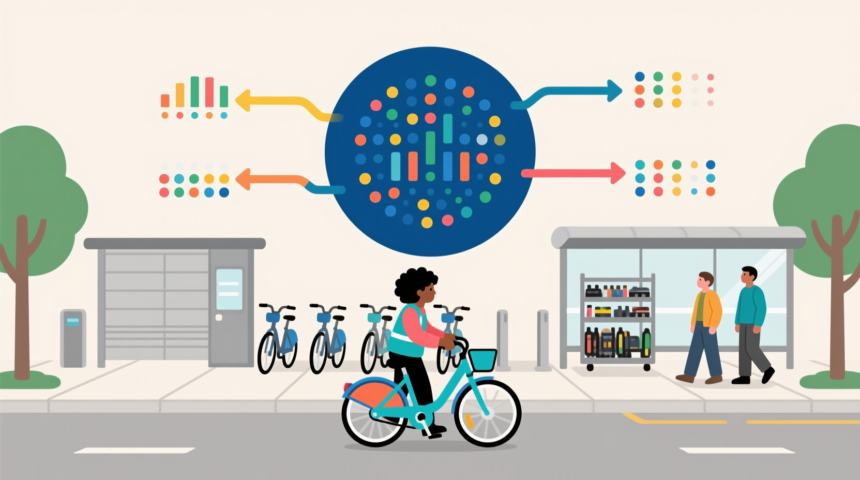
Illustration generated with Qwen Image.
SHARE

The sharing economy is a relatively recent advent of the digital age that has given millions of people the opportunity to make money utilizing their own personal resources. Indeed, there are currently nearly 10,000 companies participating in the sharing economy. Even if you have not heard the phrase “sharing economy” before, you have undoubtedly heard of some of the corporations that are contributing to it.

Contents
  • Meeting Needs
  • It Gives Startups A Chance
  • It Empowers Individuals To Grow Small Businesses
  • It’s Good For the Consumer as Well
  • It Ensures The Survival of the Fittest
  • References:

Companies like AirBnB and Uber are giving private citizens the opportunity to make money off of common assets such as their cars or homes. Big data contributes in many ways to the growth of these industries, and today we will be taking a look at how that is so. Read on for the five ways that big data is fueling the sharing economy.

Meeting Needs

On a very basic, one on one level, data is the foundation of most of the services that make up the sharing community. Consumers express what they are interested in, that data is transmitted into the world, and then subsequently responded to by the service provider.

On a larger scale, big data algorithms are able to connect people with the more specific aspects of what they are looking for. These algorithms use data such as GPS locations, as well as other personalized points of data to connect consumers with the providers that most comply with their needs.

More Read

Smarter Commuting Starts With Analytics, Visualization
Education and the Blockchain – Should We be Teaching Blockchain in Schools?
5 AI Tools for Rocking Business Presentations
Why AI Is Important for Automating Travel Policy Compliance
In Defense of Data Mining Ethics

Indeed, it is this efficiency that makes services like Uber so popular. Consumers appreciate the potential to have their precise needs met with the click of only a few buttons on their phones.

It Gives Startups A Chance

Big data is also the way in which start ups can affordably enter into the marketplace. Data gives startups the opportunity to easily interpret and anticipate the needs of consumers. This, in turn both informs the quality of service provided, and even enables startups to receive ample and widespread support from the “crowd funding” communities.

Crowdfunding sites like “GoFundMe” or “Kickstarter” are key pieces of the sharing economy, in which private citizens are able to invest in the ideas of creators in order to see them become reality. Crowd funding sites have been used to fund everything from films to businesses but when it comes to services, potential businesses can use key data points to determine what potential investors are looking for in an investment. They can then use that data to ensure that their idea enjoys wider appeal, and thus receives more funding.

It Empowers Individuals To Grow Small Businesses

One thing you will notice about many of the corporations that participate in the “sharing economy is that they do not actually provide any services themselves. What they instead provide is a platform. Through these platforms, drivers, writers, real estate owners, and retailers are able to effortlessly grow their own businesses simply by putting their information out on broad platform sites, and having it seen by consumers that re in need of the services that they provide.

As a result, there are many professionals that have complete autonomy over their careers, and easy access to clients and customers that are in need of exactly what they have to offer.

It’s Good For the Consumer as Well

Customers that participate in the services that constitute the sharing economy often find that they prefer them to traditional businesses. In fact, 60% of travelers that use AirBnB prefer it to the traditional hotel experience.

However, while the people that utilize these services do enjoy them they are less loyal to them consumers of traditional services are. Eighty-three percent of consumers that are frequenting businesses within the sharing economy say that they would take their business elsewhere to get lower prices.

Sites like Uber and AirBnB keep things competitive. Customers are given many price points when they browse through these servers and are therefore empowered to be certain that they are doing business with the most affordable option available.

It Ensures The Survival of the Fittest

Whether you are buying a used good online, hiring a writer to work for your blog, or simply hailing a cab using an app, you are going to have to work with a complete stranger. One of the most important roles that big data plays in the sharing economy is the way in which it enables customers to read reviews on a freelancer before they are hired.

Sites like Freelancer, Upwork, Uber, and AirBnB all compile reviews on their freelancers and services so that you can have some background information on their work history. This data allows the best workers to shine and connects consumers with the highest quality services possible.

References:

Global Big Data Conference

Forbes

Washington State University online MBA program

Datafloq

Brandeis University’s Online Master of Science in Project and Program Management

TAGGED:big databig data helping businessessharing economysmall businesses
Share This Article
Facebook Pinterest LinkedIn
Share
ByRyan Ayers
Follow:
Ryan Ayers has consulted a number of Fortune 500 companies within multiple industries including information technology and big data. After earning his MBA in 2010, Ayers also began working with start-up companies and aspiring entrepreneurs, with a keen focus on data collection and analysis.

Follow us on Facebook

Latest News

Flat illustration of vermilion data packets following separate paths through charcoal relay nodes.
5 Residential Rotating Proxy Services for Web Scraping
Data Collection Exclusive Privacy
Cut-paper scene of split mobile and TV signal cards passing through a charcoal bridge and vermilion reconciliation gates.
Data Fragmentation and Measurement Gaps in Programmatic
Big Data Exclusive
Cut-paper editorial scene of labeled data cards passing through a charcoal inspection frame and vermilion quality gates.
How to Measure Data Annotation Quality Before Release
Big Data Exclusive
Cut-paper editorial diagram of service callback tickets moving through a terracotta sorter into rising scorecard bars.
Why Your Redo Jobs Hold the Best Data in Your Franchise
Big Data Data Collection Exclusive

Stay Connected

1.2KFollowersLike
33.7KFollowersFollow
222FollowersPin

You Might also Like

The 4 Biggest Problems with Big Data
AnalyticsData MiningData QualityRisk ManagementSecurityUnstructured Data

The 4 Biggest Problems with Big Data

4 Min Read
How Big Data Is Shaking Up the Manufacturing Supply Chain
Big DataRisk ManagementWorkforce Data

How Big Data Is Shaking Up the Manufacturing Supply Chain

9 Min Read
big data netflix
Big Data

Big Data: How Netflix Uses It to Drive Business Success

9 Min Read
See Why Businesses Can't Do Without Customer Data Collection
AnalyticsBig DataBusiness IntelligenceCollaborative DataData ManagementData WarehousingDecision ManagementExclusiveNewsWeb Analytics

See Why Businesses Can’t Do Without Customer Data Collection

7 Min Read

SmartData Collective is one of the largest & trusted community covering technical content about Big Data, BI, Cloud, Analytics, Artificial Intelligence, IoT & more.

How To Get An Award Winning Giveaway Bot
Big Data Chatbots Exclusive
Artificial Intelligence for eCommerce: A Closer Look
Artificial Intelligence

Quick Link

  • About
  • Contact
  • Privacy
Follow US
© 2008-26 SmartData Collective. All Rights Reserved.
Welcome Back!

Sign in to your account

Username or Email Address
Password

Lost your password?