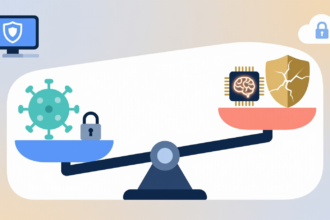
If your psychotherapy practice uses digital systems to store notes, manage records, or communicate with clients, you also carry the responsibility of keeping that information secure. Therapy data is deeply personal, and even small mistakes can lead to serious breaches of privacy and trust.
This guide explains how to protect psychotherapy data in a digital practice, from understanding the most common risks to putting simple, practical safeguards in place. You will learn what puts client information at risk, what protections matter most, and how to build everyday habits that keep sensitive records safe.
Why Psychotherapy Data Needs Extra Protection
All health data is sensitive, but psychotherapy records often go much deeper. Notes may include trauma histories, relationship issues, substance use, or thoughts of self-harm. If this kind of information is exposed, the impact can be serious for clients and damaging to the therapeutic relationship.
There are also legal and professional obligations to consider. Regulations like HIPAA set clear expectations for how protected health information should be handled, stored, and shared. Beyond compliance, however, data protection is part of ethical care. Clients need to feel confident that what they share in therapy remains private.

Data security incidents in healthcare are not rare. Between October 21, 2009 — when the Office for Civil Rights first began publishing summaries of reported breaches on its “Wall of Shame” — and December 31, 2023, there have been 5,887 large healthcare data breaches involving protected health information.
The Most Common Risks to Digital Psychotherapy Data
Many data incidents are not caused by hackers or sophisticated attacks. In fact, in 2024, human error contributed to 95% of data breaches. This underscores the need for strong policies, training, and careful workflows to prevent mistakes that could expose client data.
Common risks include sending information to the wrong email address, losing an unencrypted laptop or phone, using weak or shared passwords, or leaving systems logged in on shared computers. Remote work adds another layer of risk, especially when clinicians use home networks or personal devices.
Phishing emails and basic cyberattacks also remain a threat, particularly when staff are busy and may not spot suspicious messages.
These risks are not usually the result of bad intentions. They come from human error, rushed workflows, or unclear processes. Recognizing this helps practices focus on prevention and good habits, not just technology.
5 Practical Steps to Keep Client Data Safe
Protecting psychotherapy data is not about a single tool or policy. It comes from combining secure systems with good everyday habits. These practical steps form the foundation of a safer digital practice.
1. Use Role-Based Access and Strong Authentication
Every member of your team should have their own login, with access limited to what they actually need for their role. Clinicians may require full clinical records, while administrative staff may only need scheduling or billing information.
Strong passwords and two-factor authentication add an extra layer of protection. They make it much harder for unauthorized users to gain access, even if a password is compromised.
2. Train Staff on Everyday Data Handling
Most data incidents start with simple mistakes. Sending an email to the wrong address, clicking on a phishing link, or leaving a screen unlocked can all expose client information.
Regular training helps staff recognize these risks and build safer habits. This includes knowing what counts as protected information, how to spot suspicious emails, and when it is safe to share data. Creating a culture where people feel comfortable flagging mistakes early is just as important as formal training.
3. Secure Devices and Remote Work Setups
Laptops, tablets, and phones used for clinical work should always be password-protected and kept up to date with software patches. Devices should also use encryption to prevent data from being accessed if a device is lost or stolen.
For remote work, clear rules matter. Staff should avoid using public Wi-Fi to access client records, use secure home networks, and store information only within approved systems rather than on local drives.
4. Keep Systems Updated and Centralised
Outdated software is one of the easiest targets for attacks. Regular updates help close known security gaps and keep protections up to date.
It is also important to keep data centralized rather than spread across emails, personal folders, or multiple platforms. Central systems make it easier to apply consistent security controls and monitor access.
5. Back up Data and Plan for Recovery
Protecting data is not just about preventing access. It is also about making sure information is not lost.
Regular backups ensure that client records can be restored if systems fail, files are corrupted, or devices are damaged. Just as important is knowing how long recovery will take and who is responsible if something goes wrong.
Choosing Secure Systems for Therapy Records
One of the most important decisions a practice makes is how it stores and manages client records. Generic tools or scattered files across email and personal devices make it harder to control access and track data activity.
Purpose-built systems, like a psychotherapy EHR, are designed to centralize therapy records in one secure environment. They typically include features such as encrypted storage, role-based access, and audit trails that show who accessed or changed a record and when.
From a data perspective, centralization reduces the chance that information is copied into unsafe places. It also makes it easier to apply consistent security rules across the whole practice.
Building a Safer Digital Psychotherapy Practice
Digital systems have made it easier than ever to run a psychotherapy practice, but they also make protecting client data more important than ever. Therapy records are deeply personal, and keeping them safe is part of providing good care.
The good news is that most risks can be reduced with straightforward steps. Data security does not have to be complicated. When it becomes part of how a practice works day to day, it helps protect clients, supports trust, and gives clinicians the confidence to focus on what matters most: their work with patients.