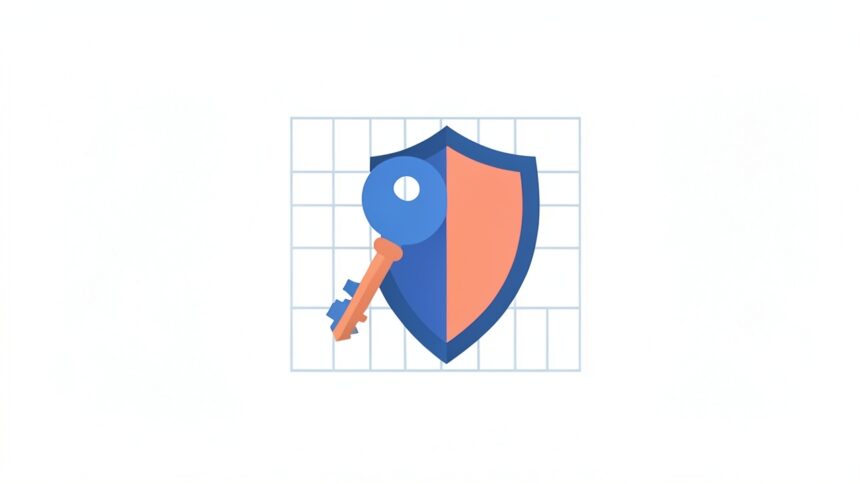
Virtual Private Networks (VPNs) provide several protective features for both individuals and businesses; they provide a layer of privacy, a degree of anonymity, and a layer of security to all your web browsing actions, which could otherwise be publicly accessible. Depending on which VPN provider you go with, they can provide other advantages as well, such as allowing you to seem like you’re accessing data from another country.
Myths and Misconceptions
However, there are a number of myths and misconceptions about what VPNs actually are and how they can best be used. Believing these myths may leave you with a false sense of security, or on the other end of the spectrum, a skepticism over the value of such a system. VPNs aren’t useful for everyone, nor do they serve as a multi-purpose tool that can serve all of your Internet-based needs.
To better understand what VPNs are, you first need to stop believing these persistent myths:
VPNs can stop you from acquiring malware. Once people hear that VPNs give you an added layer of security, they immediately assume it functions as a kind of antivirus program or firewall, which can prevent and fight against the acquisition of malware. Unfortunately, this isn’t the case. A layer of VPN protection can make it much harder for a public participant to monitor your traffic; for example, a hacker with access to your Wi-Fi network wouldn’t be able to monitor your web traffic. However, this doesn’t stop you from acquiring malware by other means.

For example, let’s say your traffic is protected by a VPN service and you access a site that downloads malware to your device, or you click on an attachment from an unfamiliar email that loads spyware onto your machine. You might even give your password away via a phishing scam. In these cases, you have no means of immediate prevention (or treatment) other than proactively knowing that these actions are bad ideas.
Accordingly, you shouldn’t let your ownership of a VPN service lull you into a false sense of security. You need to be proactive, updating your team members and employees with best practices for online safety, if you want to protect your data and reputation.
Privacy is the same thing as anonymity. The “P” in VPN (privacy) often leads to some independent misconceptions of its own—namely, that being private is the same thing as being anonymous when it comes to web traffic. Unfortunately, this isn’t the case; privacy and anonymity are two distinct qualities, each of which can be achieved through a VPN, but aren’t necessarily related.
Anonymity implies that it would be impossible to tie your web browsing data back to you as an individual (or corporation). Private implies that your traffic can’t be easily monitored by hackers looking to tap into your resources. As an illustration, imagine your connection is private, but not anonymous—an intelligence agency like the NSA would theoretically be able to tie your traffic back to you by simply monitoring the entrance and exit points of your activity. In fact, if you send your traffic out of the country, you might be at an even greater risk of monitoring.
There are some VPN services that also offer an anonymity feature, but don’t assume yours has one. For most users, this isn’t necessary anyway—they’re looking to protect themselves from rogue viewers, not hide high-profile illegal activities.
All VPN services are the same. Not all VPNs offer the same range of services, and not all VPNs offer the same quality of services. Accordingly, not all VPNs are the same price or offer the same setup. To illustrate these differences, consider the fact that there are different kinds of security protocols, each with different strengths and weaknesses. Some of the most common are SSL/TLS (aka OpenVPN support,) PPTP, IPSec, and L2TP. For the most part, you don’t need to be intimately familiar with the differences here—PPTP does have some vulnerabilities that have made it less popular lately, and SSL is by far the most common for corporate and individual use alike.
You’ll also want to consider where the VPN’s servers are hosted, and which “exit points” you can choose. The exit point is responsible for determining where your web traffic is viewed as originating—for most users, this will need to be the United States. Other services your VPN may offer include mobile apps to protect traffic on mobile devices, and specific logging protocols that affect how your VPN provider can view and handle your data. Keep all these factors in mind when shopping for the best VPN service.
Once you’ve personally dispelled these misconceptions, you’ll have a far better understanding of VPNs in general and how they relate to your needs. You might start looking for different key qualities in a VPN provider, or possibly seek complementary services to better protect your users. It’s an important decision—one vulnerability is all it takes to compromise your data—so make sure you end up going with a partner you trust.