In an era increasingly dominated by algorithms and automation, the landscape of customer support has undergone a profound transformation. Gone are the days when support was merely a cost center, a reactive response to complaints. Today, it stands as a critical differentiator, a brand-building powerhouse, and a strategic touch point for customer loyalty.
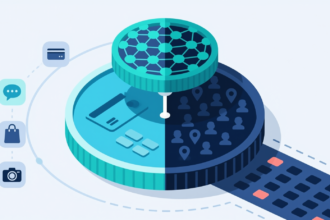
This evolution has necessitated a sophisticated blend of two seemingly disparate forces: the cold, hard logic of data and the personability of human empathy. Modern support careers now thrive at this intersection, where technology empowers compassion and insights fuel connection.
Data Drives Output
On one side of this equation lies data, the lifeblood of efficiency and personalization. In the digital age, every customer interaction, every click, every query generates a wealth of measurable information. Support teams leverage this data to understand customer behavior, identify pain points, predict needs, and optimize workflows.
Metrics like Average Handle Time (AHT), First Contact Resolution (FCR), Customer Satisfaction (CSAT) scores, and Net Promoter Scores (NPS) provide objective benchmarks for performance. Advanced analytics can pinpoint common issues, segment customer demographics, and even flag customers who are at risk of churn, enabling proactive outreach.
Moreover, data-driven tools like AI-powered chatbots and self-service portals handle routine inquiries, freeing up human agents to tackle more complex or emotionally charged issues. This strategic delegation, informed by understanding common query types and resolutions, significantly boosts operational efficiency.
By analyzing past interactions, agents gain immediate access to a customer’s history, preferences, and previous issues, paving the way for a more streamlined, informed interaction. In essence, data provides the blueprint and the predictive insights that lay the groundwork for effective support.
A Human Touch
However, the most meticulously gathered data means little without the human touch. This is where empathy steps in. The ability to understand and share the feelings of another— just like the valuable skillset needed when working as a mental health social worker. In support, empathy translates into active listening, authentic understanding, emotional intelligence, and genuine concern for the customer’s situation. It’s the difference between merely resolving an issue and building lasting trust.
More Read

Empathy is the key to de-escalating frustrating callers, reassuring anxious users, and transforming a transactional interaction into a relationship-building moment. It involves reading between the lines, acknowledging feelings (even unspoken ones), and demonstrating a sincere desire to help, not just to close a ticket.
A support agent who can genuinely connect with a customer, validate their frustration, and offer a solution tailored to their individual emotional state, not just their technical problem, fosters loyalty that data alone can never cultivate. Without empathy, support becomes a robotic, frustrating experience, akin to talking to a wall. The essence of modern support careers lies in the intersection of these two powerful forces. Data doesn’t diminish the need for empathy, it enhances it; empathy doesn’t negate the value of data, it humanizes it.
The Synergy of Data and Empathy
Consider an agent who receives an alert that a long-standing, high-value customer has just expressed frustration on social media. The data provides the context – the customer’s history, their value, the specific product they’re complaining about. But it’s empathy that guides the agent’s response: the tone of the outreach, the acknowledgement of their feelings, and the personalized solution offered.
Similarly, data might highlight a specific product defect causing a surge in calls (a common pain point). Empathy then informs how the solution is delivered, ensuring customers feel heard, valued, and understood, rather than merely being given a stock response.
This synergy empowers agents to be more than just problem-solvers, they become customer advocates. They can use data insights to anticipate needs and offer proactive support. They can leverage customer sentiment analysis to understand the emotional temperature of the conversation and analysis to empathetic approach accordingly. And crucially, by offloading routine tasks to AI, data allows human agents to dedicate their finite emotional and cognitive resources to interactions that truly require their unique capacity for compassion and nuanced problem-solving. Ultimately, in the same way that an educational consultant needs to be versed in the balance between data analysis, management, and social skills, the future of support careers is not about choosing between data and empathy, but about effectively employing their intelligent integration. Successful modern support professionals are skilled interpreters of data, able to leverage insights to inform their approach, personalize interactions, and streamline processes.





![The Big Data Industry in Detail: Biggest Players, Biggest Revenues and More [INFOGRAPHIC]](https://www.smartdatacollective.com/wp-content/uploads/2014/10/big-data-industry-detail-biggest-players-biggest-330x220.jpg)