
We use cookies, including third-party cookies from Google to serve personalized ads through AdSense, to operate this site and understand how it is used. By continuing to browse, you accept this use. See our Privacy Policy and Terms of Use for details, including how to opt out of personalized advertising.
Accept
SmartData CollectiveSmartData Collective
  • Analytics
    AnalyticsShow More
    What Kind of Problem-Solving Distinguishes Data Analysts From Software Engineers -- AI-generated illustration
    What Kind of Problem-Solving Distinguishes Data Analysts From Software Engineers
    7 Min Read
    chatgpt image jul 21, 2026, 04 34 30 pm
    4 Core Benefits of Predictive Maintenance after Vibration Analysis
    10 Min Read
    How Does Data Mining Boost Customer Satisfaction in Logistics? Harnessing Analytics for Results -- AI-generated illustration
    How Does Data Mining Boost Customer Satisfaction in Logistics? Harnessing Analytics for Results
    11 Min Read
    chatgpt image jul 13, 2026, 04 23 45 pm
    How Data Analytics Helps Companies Improve User Engagement
    19 Min Read
    chatgpt image jul 13, 2026, 03 59 46 pm
    How Data Analytics Improves Multi-Location Search Strategies
    10 Min Read
  • Big Data
  • BI
  • Exclusive
  • IT
  • Marketing
  • Software
Search
© 2008-25 SmartData Collective. All Rights Reserved.
Reading: Public Cloud Provides Most Data Security for Financial Services Firms
Share
Notification
Font ResizerAa
SmartData CollectiveSmartData Collective
Font ResizerAa
Search
  • About
  • Help
  • Privacy
Follow US
© 2008-23 SmartData Collective. All Rights Reserved.
SmartData Collective > Uncategorized > Public Cloud Provides Most Data Security for Financial Services Firms
Uncategorized

Public Cloud Provides Most Data Security for Financial Services Firms

amisra
amisra
5 Min Read
Public Cloud Provides Most Data Security for Financial Services Firms
Illustration generated with FLUX.2 [klein 4B] via Cloudflare Workers AI.
SHARE

Corporate IT continues to argue that public cloud security cannot be trusted. They believe, mistakenly, that they can keep data more secure than the public cloud.

“We live in a world where data center breaches are in the headlines almost monthly, much to the consternation of corporate IT — the same corporate IT that fears the public cloud due to fears around data security. The truth is that the public cloud is more secure than the typical data center, and IT would get better security if it got past its prejudice against the cloud,” says David Linthicum, in his recent article.

Look at the recent hackings of Ashley Madison, Hilton and plenty of others. I’m sure they all deployed IT security specialists and spent a lot in managing security. But it wasn’t enough.

Because IT manages its own data resources, it believes it’s doing a better job than other people might, says Linthicum — especially those people at those cloud services where security practices are opaque. But it’s simply not true. Cloud providers have better security mechanisms in place and are more paranoid — and attentive — to security risks throughout their entire stack.

More Read

Gartner IT Symposium
Where do I start my social enterprise project?
Introduction to Open Data
A CTO’s favorite list of lessons from the Miracle of the 1980 Olympics
Self-Serve Analytics Really Aren’t DIY

What public clouds bring to the table are better security mechanisms and paranoia as a default, given how juicy they are as targets. The cloud providers are much better at systemic security services, such as looking out for attacks using pattern matching technology and even AI systems. This combination means they have very secure systems.

It should be no surprise that the hackers move on to easier pickings: enterprise data centers. The on-premises systems that IT manages is typically a mix of technologies from different eras. The aging infrastructure is often less secure — and less securable — than the modern technology used by cloud providers simply because the old, on-premises technology was designed for an earlier era of less-sophisticated threats. The mixture of different technologies in the typical on-premises data center also opens up more gaps for hackers to exploit.

The public cloud has the advantage of being less complex and not dependent on older technologies. At the core, it’s a more secure platform.

The Navatar View

Corporate IT doesn’t agree. Here is an example of what an IT security expert had to say:

“As a communications programmer, I tell you that most customers have not fully realized the risks inherent in the current implementations of multi-tenant cloud computing. Those can be cleaned up eventually, but they CAN NOT BE CLEANED UP COST EFFECTIVELY. The encryption required means non-trivial CPU usage. So, you’re faced with either doing whatever you’re doing insecurely, or doing it with dedicated hardware. The multi-tenant, elastic model is simply broken from a security and efficiency perspective.”

CPU power is cheap so the entire argument falls flat. Nevertheless, these kinds of arguments sometimes influence financial services organizations into keeping their data in-house, even though they are breached constantly (just look at how frequently your credit card gets compromised).

If big banks cannot safeguard their data, imagine what choice smaller financial institutions have. There is no way an organization with a few hundred people or less (with a small IT team) can build the level of data security that salesforce.com or amazon can.

We agree with Linthicum – “cloud providers have done a better job, both because they have to and because their newer technology makes out easier for them to do so. IT should be taking advantage of that cloud security focus, not ignoring it.”
Share This Article
Facebook Pinterest LinkedIn
Share

Follow us on Facebook

Latest News

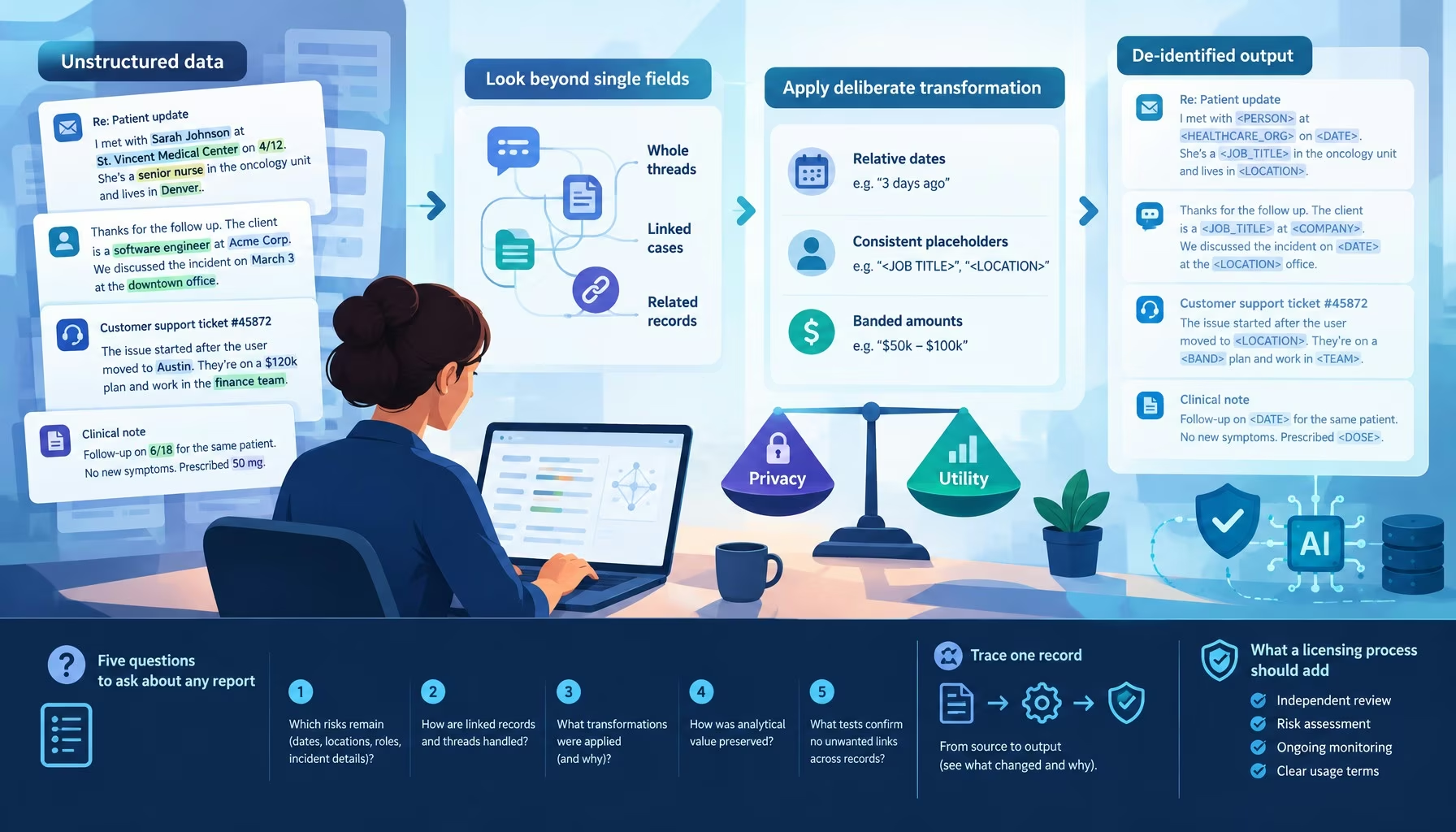
Flat editorial illustration: A tech-editorial depiction of contextual re-identification risk in linked unstructured support recor
Stripping the Names Isn’t Enough: De-Identifying Unstructured Data
Exclusive Unstructured Data
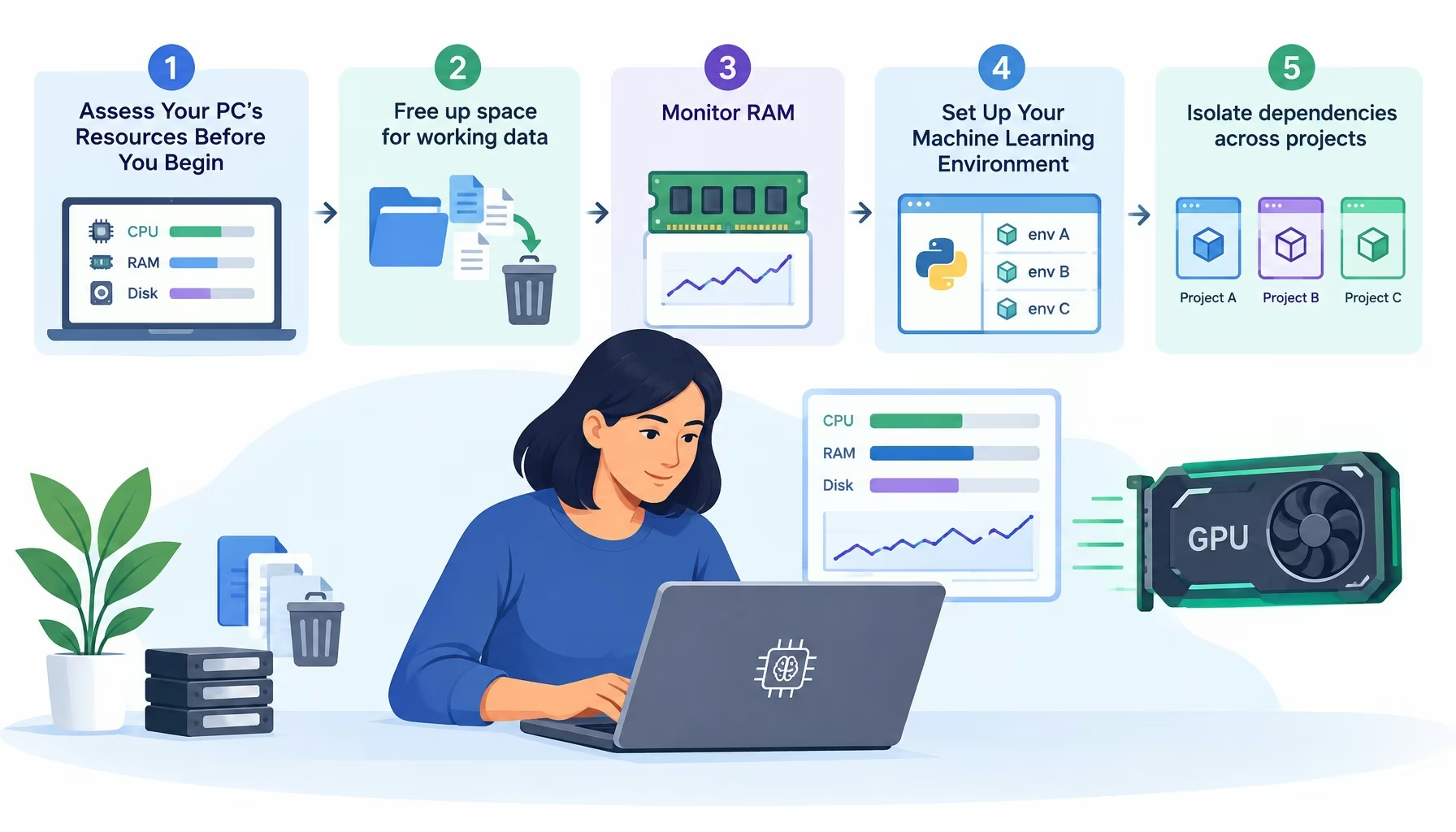
Flat editorial illustration: The article connects practical management of local data, memory and software environments with direc
How Data Professionals Optimize Devices for AI and ML Projects
Artificial Intelligence Data Science Exclusive Machine Learning
Flat editorial illustration: The article connects verified lease abstraction at signing to accurate property charges and faster m
AI Lease Abstraction and Month-End Close Speed-Up Checklist
Artificial Intelligence Exclusive
Flat editorial illustration: The article explains that file-system choice determines whether Windows, macOS, and Linux can read o
Understanding File System Compatibility Across Windows, macOS, and Linux
Cloud Computing Exclusive

Stay Connected

1.2KFollowersLike
33.7KFollowersFollow
222FollowersPin

You Might also Like

Integrating Quality Assurance into Your CRM Operations
Uncategorized

Integrating Quality Assurance into Your CRM Operations

5 Min Read
Can Consultants Lead? Three Viewpoints
Uncategorized

Can Consultants Lead? Three Viewpoints

6 Min Read
The Debate Continues: The Future Impact of Net Neutrality on the Cloud
Uncategorized

The Debate Continues: The Future Impact of Net Neutrality on the Cloud

6 Min Read
Businesses Must Make Self-Service Reporting a Priority
Uncategorized

Businesses Must Make Self-Service Reporting a Priority

8 Min Read

SmartData Collective is one of the largest & trusted community covering technical content about Big Data, BI, Cloud, Analytics, Artificial Intelligence, IoT & more.

The Art of Conversation: Enhancing Chatbots with Advanced AI Prompts
Chatbots
From Bolts to Bots: How AI Is Fortifying the Automotive Industry
Artificial Intelligence

Quick Link

  • About
  • Contact
  • Privacy
Follow US
© 2008-26 SmartData Collective. All Rights Reserved.
Welcome Back!

Sign in to your account

Username or Email Address
Password

Lost your password?