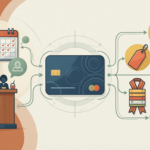
Data once was the sole domain of highly specialized professionals. Data analysts would work in dark huddled circles— naturally located in remote and poorly lit corners of the office. Their findings, though useful, were incomprehensible to the average human. They were famous for presenting their findings in great excitement during crowded board meetings, only to shrink away in disappointment as they were met with glazed expressions of confusion. Back to their corners to try it all again next week.
That’s maybe an exaggeration but it touches on something true. Data analysis and implementation used to be inaccessible to people who hadn’t studied it. The modern business world can’t function that way. Numbers fuel every decision which means that there can’t only be one department that knows what to do with them.
Data democratization helps diversify access allowing all business departments to elevate their efforts and collaborate more effectively.
In this article, we take a look at what data democratization is and why it matters.

What is Data Democratization?
It sounds fancy. Really, it’s just the practice of making data easier to understand for the layperson. What techniques can your business use to make sure data is accessible to everyone who needs it?
“Everyone who needs it,” is an important phrase in this context. One thing the business world has come to realize is that the concept of “departments,” doesn’t apply very well to data analysis. What happens in CX can significantly impact the sales funnel (and vice versa). You can extend this reasoning to virtually every department.
Finance, customer service, and HR, all produce information that is usable at the company-wide level. You just need to calibrate your technology and business practices in a way that makes good use of your information.
The ideal data implementation strategy looks something like this:
Every department understands what metrics are important and how they should be processing and implementing said metrics.
Every department can also readily access each other’s information. This typically requires a Single Source of Truth platform in which anyone can easily access data ANY data that they require, while not being able to alter the information.
Information is viewable but not amendable, reducing the capacity for human error.
While all of this is happening, data experts are helping corporate leadership make picture strategies that leverage all relevant information.
Every department is maximizing its efficiency and collaborating at a much higher level than has previously been possible. Everyone benefits.
Unfortunately, this situation doesn’t always play out. People don’t simply develop an understanding of data management overnight. And unless businesses are actively calibrating their tech stacks with universal data processing and implementation in mind they will most likely be left with what the industry calls “data siloes.”
In these cases, individual departments have data but they don’t have the technology available to share it. No Single Source of Truth. No effective collaboration.
How can companies tear down those siloes and achieve democratization? Let’s get into it.
Good Tech
The good news is that technology can handle the most complicated aspects of data democratization automatically. Most business software naturally produces data sets that are designed to be usable by the average person.
To maximize the effectiveness of that data, business leaders need to pick high-quality tools that sync up well together.
The concept of a “tech stack,” isn’t always straightforward for people who lack software expertise. Ideally, all of your business technology will link naturally together like pieces of a puzzle.
Many business owners or executives will utilize the services of a consultant to make sure they choose tech solutions most conducive to their data-related objectives.
Training
You can’t just buy the tools. You also have to teach people how to use them. While changing out your software solutions sounds like it should be a straightforward, pain-free experience, many companies learn the hard way that it isn’t.
In fact, poorly implemented tech adoptions are associated with high turnover. When you give your staff a new technology that will be at the core of their daily efforts you are effectively modifying their job.
If they can’t comfortably adjust to that modification, they may leave.
Companies who achieve successful data democratization usually do so by:
- Giving their employees advanced notice
- Setting realistic expectations
- Giving their staff the time and resources to meet those expectations
It won’t happen overnight. You may easily need 4-6 weeks to even reach your previous levels of productivity. However, once your staff adjusts to their new expectations, they should operate at a much higher level than before.
Set aside ample time for data and technology implementation. Not only will this demonstrate to your staff that this is something to be taken seriously, but it will go a long way toward alleviating their stress.
Plan a Hackathon
“Hack,” isn’t a word that most businesses want to hear— particularly not in the context of data. We are all regularly inundated with alarming stories about data breaches.
In this case, we aren’t recommending that you pull a Marriott. The “hackathon,” is basically like a tech-related work sprint in which you set aside time to tackle your business’s tech-related challenges. What are your objectives? What obstacles are keeping your business from meeting them?
These are the questions that you will throw around and attempt to answer in your “hackathon.” It’s an increasingly popular strategy implemented by 80% of Fortune 100 companies.
Data democratization is not easy but it is achievable. Remember that your technology will ultimately do most of the hard work. Your job is to behave as a facilitator. Figure out what your business needs and then identify solutions to give it to them.
If you can’t explore the right technologies on your own, or if a “Hackathon,” doesn’t fully address your needs, there are still accessible paths toward democratization. Many tech consultants are available to help businesses revolutionize their tech processes.
While these consultants aren’t cheap they more than justify their expense.
Bottom line? Businesses that don’t know how to use data will be outcompeted by those who do. Don’t wait— start seeking data democratization strategies now.