Cookies help us display personalized product recommendations and ensure you have great shopping experience.

By using this site, you agree to the Privacy Policy and Terms of Use.
Accept
SmartData CollectiveSmartData Collective
  • Analytics
    AnalyticsShow More
    warehouse accidents
    Data Analytics and the Future of Warehouse Safety
    10 Min Read
    stock investing and data analytics
    How Data Analytics Supports Smarter Stock Trading Strategies
    4 Min Read
    predictive analytics risk management
    How Predictive Analytics Is Redefining Risk Management Across Industries
    7 Min Read
    data analytics and gold trading
    Data Analytics and the New Era of Gold Trading
    9 Min Read
    composable analytics
    How Composable Analytics Unlocks Modular Agility for Data Teams
    9 Min Read
  • Big Data
  • BI
  • Exclusive
  • IT
  • Marketing
  • Software
Search
© 2008-25 SmartData Collective. All Rights Reserved.
Reading: A Quick Tech Tutorial: Two-Factor Authentication
Share
Notification
Font ResizerAa
SmartData CollectiveSmartData Collective
Font ResizerAa
Search
  • About
  • Help
  • Privacy
Follow US
© 2008-23 SmartData Collective. All Rights Reserved.
SmartData Collective > Data Management > Best Practices > A Quick Tech Tutorial: Two-Factor Authentication
Best PracticesData ManagementPrivacySecurity

A Quick Tech Tutorial: Two-Factor Authentication

onlinetech
onlinetech
3 Min Read
SHARE

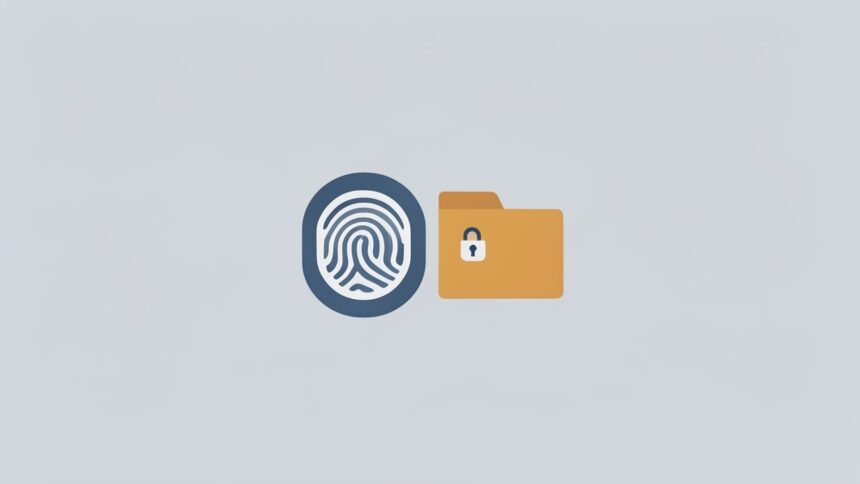
Two-factor authentication is a best practice to fulfill authorization and authentication requirements for HIPAA compliance or PCI DSS compliance and can protect your data and business.  To gain a better understanding, Online Tech’s Technical Team shares this quick tech tutorial on two-factor authentication.

Two-Factor Authentication

Two-factor authentication is a best practice to fulfill authorization and authentication requirements for HIPAA compliance or PCI DSS compliance and can protect your data and business.  To gain a better understanding, Online Tech’s Technical Team shares this quick tech tutorial on two-factor authentication.

Two-Factor Authentication

More Read

Image
Technology Integration and Big Data: Extracting Value
AI Gives Web Hosting Industry Crucial Edge Over Cyber Criminals
Challenges and Opportunities in Big Data From Industry and Academia Panel
Managing Cyber Security Threats from Inside
Open Data: Why the U.S. Needs Federal Legislation to Unlock the Secret Dealings of Shell Companies

Q:  What is two-factor authentication?
A:  Two-factor authentication goes beyond using a user name and password.  It puts a new piece of technology in the mix for better security.

Q: How does two-factor authentication work differently than logging in with a normal user name and password?
A:  Here is an example of how two-factor authentication works.  You have a user requesting access to a system. That user is going to authenticate through a firewall.  It’s going to hit a domain controller to make sure that’s a valid user. Then, it is going to send it to a cell phone and on that cell phone it is going to say approve or deny access.

Once that cell phone sends it to the firewall permission is granted and the person has VPN access. If they don’t have a valid user name, password, or the cell phone setup correctly; they will not get access to the system.

This puts a high level of security into an environment.  So, in this example the cell phone becomes the second factor of authentication and the user name and password being the primary.

Q: Who Should be Using Two-Factor Authentication?
A:  Two-factor authentication is a requirement for PCI compliance. The PCI requirement 8.3 states:

Incorporate two-factor authentication for remote access (network-level access originating from outside the network) to the network by employees, administrators, and third parties. (For example, remote authentication and dial-in service (RADIUS) with tokens; or other technologies that facilitate two-factor authentication).

Anyone with PCI needs to have two-factor authentication.  It would be great idea for businesses that have medical records or social security numbers.  Anyone with sensitive data should be using two-factor authentication in their VPN.

TAGGED:two-factor authentication
Share This Article
Facebook Pinterest LinkedIn
Share

Follow us on Facebook

Latest News

warehouse accidents
Data Analytics and the Future of Warehouse Safety
Analytics Commentary Exclusive
stock investing and data analytics
How Data Analytics Supports Smarter Stock Trading Strategies
Analytics Exclusive
qr codes for data-driven marketing
Role of QR Codes in Data-Driven Marketing
Big Data Exclusive
microsoft 365 data migration
Why Data-Driven Businesses Consider Microsoft 365 Migration
Big Data Exclusive

Stay Connected

1.2KFollowersLike
33.7KFollowersFollow
222FollowersPin

You Might also Like

cybersecurity two-factor authentication
Best PracticesData ManagementITPrivacySecurity

Cybersecurity: Evernote Adds Two-Factor Authentication

3 Min Read
Email Data
Data ManagementPrivacySecurity

How to Protect Your Organization’s Sensitive Email Data

7 Min Read

SmartData Collective is one of the largest & trusted community covering technical content about Big Data, BI, Cloud, Analytics, Artificial Intelligence, IoT & more.

AI and chatbots
Chatbots and SEO: How Can Chatbots Improve Your SEO Ranking?
Artificial Intelligence Chatbots Exclusive
ai in ecommerce
Artificial Intelligence for eCommerce: A Closer Look
Artificial Intelligence

Quick Link

  • About
  • Contact
  • Privacy
Follow US
© 2008-25 SmartData Collective. All Rights Reserved.
Go to mobile version
Welcome Back!

Sign in to your account

Username or Email Address
Password

Lost your password?