Cookies help us display personalized product recommendations and ensure you have great shopping experience.

By using this site, you agree to the Privacy Policy and Terms of Use.
Accept
SmartData CollectiveSmartData Collective
  • Analytics
    AnalyticsShow More
    How Data Analytics Is Reshaping Patient Financing Decisions
    How Data Analytics Is Reshaping Patient Financing Decisions
    13 Min Read
    business using business intelligence
    How to Use a Competitive Intelligence Dashboard to Turn Market Data Into Smarter Marketing Decisions 
    9 Min Read
    unusual trading activity
    Signal Or Noise? A Decision Tree For Evaluating Unusual Trading Activity
    3 Min Read
    software developer using ai
    How Data Analytics Helps Developers Deliver Better Tech Services
    8 Min Read
    ai for stock trading
    Can Data Analytics Help Investors Outperform Warren Buffett
    9 Min Read
  • Big Data
  • BI
  • Exclusive
  • IT
  • Marketing
  • Software
Search
© 2008-25 SmartData Collective. All Rights Reserved.
Reading: Signs the Cloud Isn’t Right for Your Business
Share
Notification
Font ResizerAa
SmartData CollectiveSmartData Collective
Font ResizerAa
Search
  • About
  • Help
  • Privacy
Follow US
© 2008-23 SmartData Collective. All Rights Reserved.
SmartData Collective > IT > Cloud Computing > Signs the Cloud Isn’t Right for Your Business
Cloud Computing

Signs the Cloud Isn’t Right for Your Business

Entech Marketing
Entech Marketing
3 Min Read
SHARE

iStock_000020530326_Small

iStock_000020530326_Small
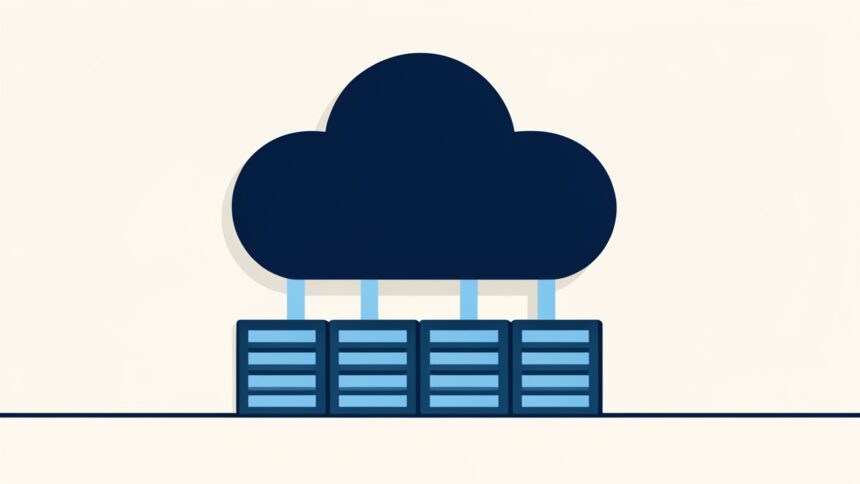
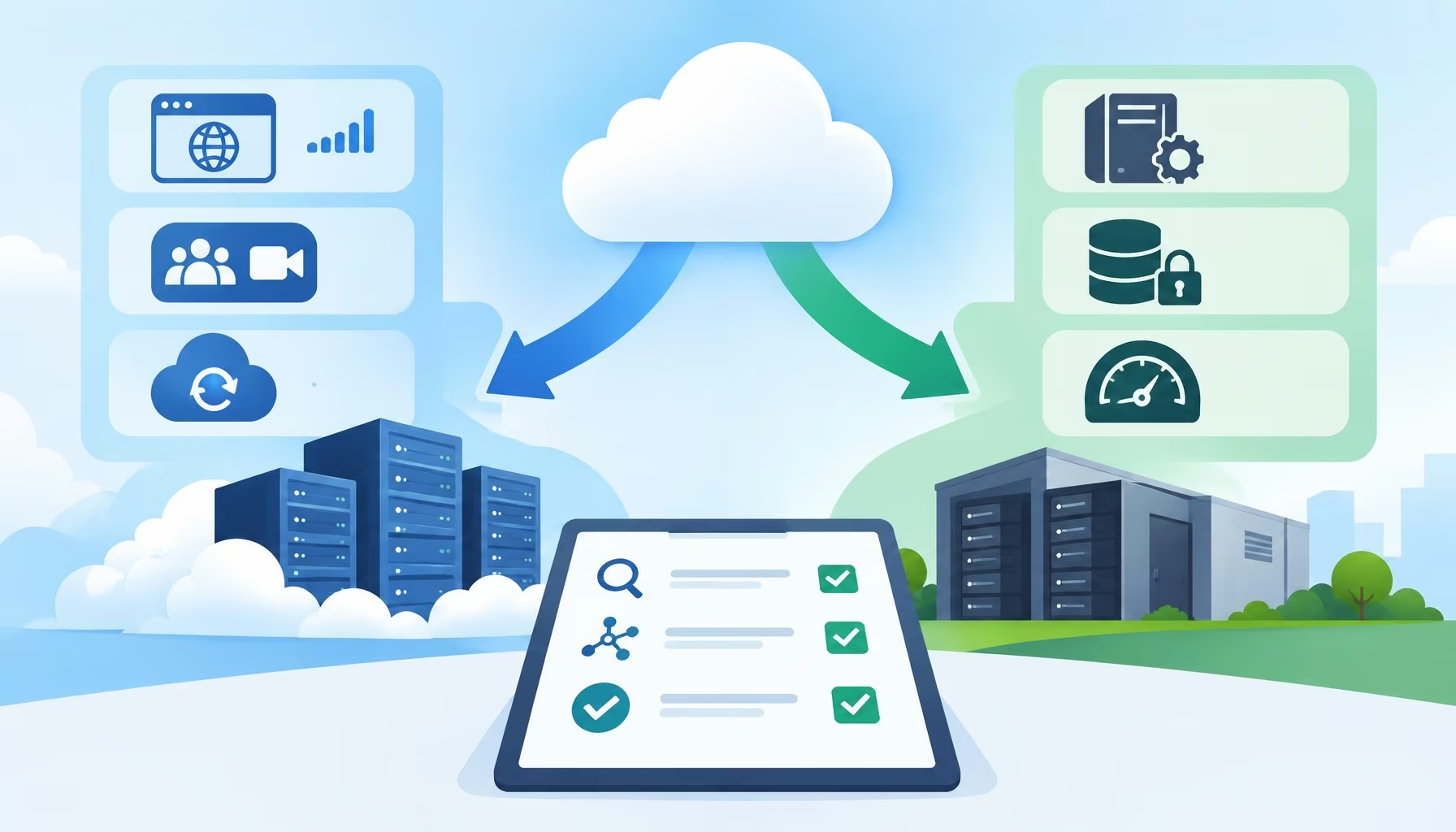
The tech world is buzzing about cloud services and with businesses flocking to implement cloud computing solutions, you’re starting to wonder if you’re the only business left that hasn’t made the move. Is there ever a scenario when the cloud isn’t right for an organization? While it might not seem like it, there are actually many scenarios where businesses might not want to consider a cloud move. Here are a few of the signs and considerations that you’ll want to make before you make the leap.

Control over your data isn’t necessary, it’s required.

While we’ve already discussed that the cloud can be secure enough for almost any industry, there are scenarios where data is so sensitive or proprietary that you must have 100% control over it. In those scenarios, the standard, public or hybrid cloud will never work for you. While most providers guarantee 99% or higher uptime, if having that extra % could make or break your business, the cloud may not be an option for you.

More Read

Big Data Analytics and Cloud Analytics: Embracing the Cloud and the Big Data Grid
A Cloudburst of Financial Advisor CRM Options: What to Look For
Top Financial Risks of Doing Business in the Cloud
Mr. Jassy, Tear Down This Wall! – a Letter to Amazon’s Web Services
6 Things IT Executives Need to Know About Cloud-Based EPM

When the long term costs don’t make sense.

One of the great benefits of the cloud is that it’s a broken down cost that is within reach for many smaller businesses. The problem is that once that break even point expires, the cloud is an ongoing expense that some businesses may not want to be saddled with. If you would prefer to keep costs down by having a single expense rather than a recurring monthly or annual expense, the cloud may not be for you. 

When you have a significant amount of data.

The cost of cloud services typically depends partly on the amount of data that you are storing. The more data that you have, the more costly it will be to move to the cloud. When an organization has many terabytes of data it can not only become cost prohibitive, but also mean that coming out of the cloud might be more difficult or time consuming.

When your files are extremely large.

When you work on files in the cloud that are very large, it can be difficult to work on them through a browser or remote connection. Companies that do graphic design or deal with big data can sometimes have this difficulty and may want to reconsider the cloud for their organization.

Do these hurdles mean that an organization can’t move to the cloud? Not at all. It just means that there are other considerations that need to be taken into account before the business can make a move. In order to really understand the consequences of moving to the cloud, you need to consult a professional.

Share This Article
Facebook Pinterest LinkedIn
Share

Follow us on Facebook

Latest News

Operational Data Becomes Business Value in the Age of AIoT
Big Data Exclusive Internet of Things
ai for social media
How AI Helps Businesses Get More From Social Media
Artificial Intelligence Exclusive
How Data Analytics Is Reshaping Patient Financing Decisions
Analytics Big Data Exclusive
AI driven big data company
How AI-Driven Workflows Are Changing the Way Companies Think About Data Risk
Artificial Intelligence Data Management Exclusive Risk Management

Stay Connected

1.2KFollowersLike
33.7KFollowersFollow
222FollowersPin

You Might also Like

Should You Move Your Business to the Cloud?

5 Min Read

Greening the Workplace 1.0: Going Paperless

7 Min Read

Six Steps to Transition to the Private Cloud

4 Min Read
cloud application development
Cloud ComputingIT

Migrating to the cloud? Follow These Steps to Encourage Success

10 Min Read

SmartData Collective is one of the largest & trusted community covering technical content about Big Data, BI, Cloud, Analytics, Artificial Intelligence, IoT & more.

ai in ecommerce
Artificial Intelligence for eCommerce: A Closer Look
Artificial Intelligence
AI and chatbots
Chatbots and SEO: How Can Chatbots Improve Your SEO Ranking?
Artificial Intelligence Chatbots Exclusive

Quick Link

  • About
  • Contact
  • Privacy
Follow US
© 2008-25 SmartData Collective. All Rights Reserved.
Welcome Back!

Sign in to your account

Username or Email Address
Password

Lost your password?