
I mentioned Ebenezer Scrooge, Charles Dickens’ fictional financier from A Christmas Carol, in a previous post on the importance of using new leading (rather than lagging) sources of data to improve company performance.
Famously cold-hearted, tight-fisted and greedy, it’s a fair bet Scrooge didn’t care much about sentiment analysis. But social media analytics – mining social networks for publicly-available data about what people think about your company — is one of the most powerful new “big data” options available today.

Social media analytics may still seem like a luxury to many organizations, but it’s rapidly becoming an essential part of every marketing organization’s toolkit, and companies like General Mills are integrating the “voice of the customer” directly into their enterprise data warehouses.
Why is now the right time to consider these technologies? According to this presentation by NetBase CMO Lisa Joy Rosner, the average consumer mentions specific brands over 90 times per week in conversations with friends, family, and co-workers. In addition, 53% of people on Twitter recommend companies and/or products in their tweets, with 48% of them delivering on their intention to buy the product.
This means that Twitter and other social media are a perfect complement to traditional market research – especially has usage has spread through more demographics (social networking use among internet users aged 50+ has nearly doubled to 42% last year). You get unbiased, more truthful thoughts and opinions, and the target consumers come to you, naturally, and for free.
The other reason to get excited about social media analytics is that the tools to do it, such as SAP Social Media Analytics product powered by NetBase, are more powerful and easier to use than ever.
Examples of successful sentiment analysis using the tool include a fast-growing Greek Yogurt company that had traditional BI data showing that Vanilla was the most popular flavor. But the flavor generating the most online buzz was Pineapple. After investigation, it was shown that resellers were quickly running out of pineapple, and so customers were buying the second-best option. Without this sentiment feedback, the brand might have missed this important feedback. Instead, they were able to boost their brand value by investing in helping resellers stock the right proportions of products.
I was particularly struck by this example, because there are—in theory—other ways of detecting the vanilla/pineapple problem using ‘traditional’ analytics. The problem is that this requires data sharing between resellers and the original supplier, which doesn’t always happen in practice. Sentiment analysis was able to spot the problem in a more direct way.
At a recent SAP Analytics partner event, I was shown another particularly interesting example. Below, you can see the results of some real-life analysis for a customer as part of a proof of concept (I’ve deleted all the fields linked to the company in question). You can see that their feedback was particularly vociferous!
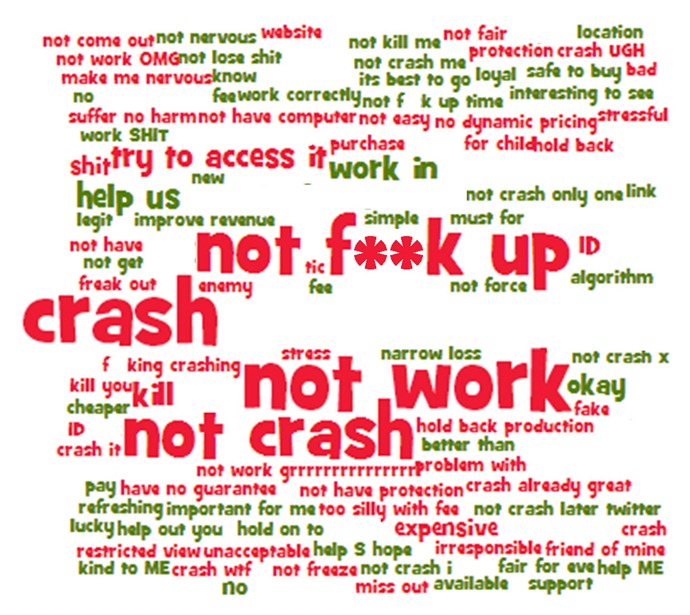
In this case, the company didn’t need sentiment analysis to know they had a problem — the company’s servers had crashed because of an exceptionally high number of transactions. But the social media analytics would have helped quickly identify the relatively small number of people that were leading the conversation and giving advice to others (including which alternative services to try).
By knowing who is the most important in a niche ecosystem, and engaging with them, the company could have quickly figured out what alternatives might be possible, and then ensure that it is getting the message out about its actions as effectively as possible.
By chance, I had a chance to catch up with the social media marketing officer of the company at the itelligence customer conference in the UK conference a few weeks ago. She was all too aware of the power of social media in shaping brand awareness, and she showed me some of the powerful dashboards she uses to communicate effectively with the business stakeholders. These were beautifully designed, but since they were hand-built, I had to wonder how fast and effective they could be at answering new questions, as opposed to tracking the measures that the company already knew were important.
Social media data on its own is only a partial solution. Truly powerful insight comes from combining social analytics with structured internal data. If you want to find out how effective your social media campaigns have been, you need to compare the results with the amount you actually spent on those campaigns. The SAP solutions allow you to bring in data from NetBase and access it using BusinessObjects products such as Explorer Mobile. You can see more about SAP’s vision for the social enterprise in this blog post.

If you’re interested in consumer sentiment analysis, the NetBase blog and twitter feed regularly has other great examples of insights gleaned through twitter and other social media, including studies such as the ten things you love and hate about HR.
I would also highly recommend following expert Seth Grimes, who organizes the Sentiment Analysis symposium each year. You can see a selection of his excellent presentations on Slideshare including this one, the State of Semantics.
Not Only For Consumer Goods
Sentiment analysis and other forms of text analysis aren’t only for consumer brands. SAP’s powerful in-memory platform HANA now supports the use of in-memory text analytics, making the use of this powerful technology faster and more convenient than ever before, and it can be used on any form of text data – police reports, customer surveys, internal documents, and research papers.
For example, Medtronic, the world’s largest medical technology company, is using a text analysis application powered by SAP HANA to more efficiently access and analyze an unprecedented amount of customer feedback and other unstructured data.
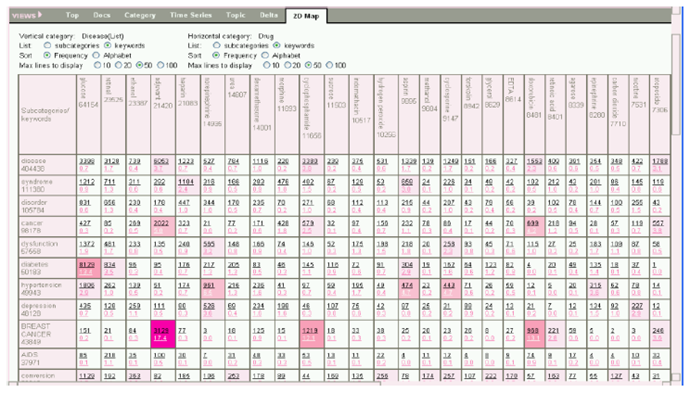
Another example is using text analytics to trawl through large volumes of medical research reports to find important relationships – something that would otherwise have to done painfully and manually. Content mining in early stages of drug discovery can help identify the most promising avenues or cancel work on paths unlikely to succeed. Both external and internal documents often contain specific information about compounds, genes, proteins, diseases, and symptoms and establish links among these entities. A drug development team might use these patterns and statistics, for example, to understand diseases and mechanisms, to identify promising targets, and to optimize leads.
So. Don’t be a Scrooge This Holiday Season!
Don’t be like Ebenezer this holiday season – think of adding social media analytics to your wish list (and budget) for next year… And don’t let me hear you say “Bah, humbug!”

Image: Timo Elliott, drawn on iPad with the excellent ProCreate app, edited in Photo Toaster application, words added in Photoshop.