Keeping students engaged in their education has proven to be a monumental task for parents, teachers, and schools. Millions of students drop out or fail to graduate high school every year, and the problem only seems to be getting worse. With so many challenges in education, the answer may lie in a field thought to be completely separate from school: gaming.
Keeping students engaged in their education has proven to be a monumental task for parents, teachers, and schools. Millions of students drop out or fail to graduate high school every year, and the problem only seems to be getting worse. With so many challenges in education, the answer may lie in a field thought to be completely separate from school: gaming. It’s a popular war to have fun for students and adults alike. In fact, more than 5 million people play an average of 45 hours of games every week. In recent years, educators have looked more closely into gaming principles and how they may be used to help students learn. The methods and strategies of gamification being employed are fascinating.
Gamification is the use of game mechanics and design elements for things outside of games. Finding ways to make education more fun has always been part of a teacher’s job, but with a greater understanding of gaming principles, that job is being made easier. A game has the ability to motivate students by engaging with it. Using that fundamental aspect in conjunction with education has the ability to transform classrooms, moving them into a new age of learning with the adoption of BYOD policies.
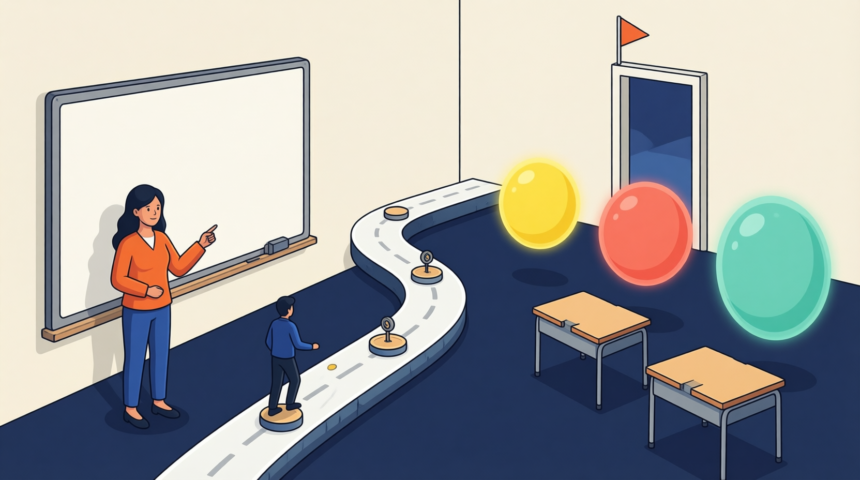
One essential element of gaming being utilized is that of visual progression. Students and gamers like to see their progress, whether it be with a level-up bar slowly being filled or actual cosmetic changes on the player’s avatar. They like knowing all the work they’re doing is having a more immediate result instead of waiting for a report card many months down the line. Some classrooms are using the idea of acquired points as a reward for students. That visible progress is an outward sign of how well they are doing. By performing classroom and homework assignments, students can earn experience points that are accumulated to reach a new level.
More Read

A professor at Indiana University put this idea into practice for his students, using experience points instead of grades. As the professor noted, students seemed more engaged because they were working within a framework they understood. Every assignment was considered important because it was working toward a level of mastery.
Another way gamification can transform the classroom is by giving students a sense of investment. Students like to be publicly recognized for their achievements. This effect can be magnified if a task or project is accomplished in collaboration with others on a team. A class-wide rewards system not only encourages students to do their best, it pushes them to help their classmates who might be struggling.
One particularly good example of this collaborative effort is in the World Peace Game. In this political simulation, students take the roles of different countries as they try to settle a myriad of different complex problems. Students get to learn about real-life problems faced throughout the world while also striving toward a common goal together.
Gamification can also be used to improve student behavior in the classroom. Students can be rewarded when they engage in examples of good behavior. The resulting rewards can be specific badges, which is a tangible symbol of all their work. One game that does a great job of involving students is called ClassDojo. The game provides real-time feedback from the teacher, which helps with positively reinforcing appropriate behavior. Students can then get more visible feedback on how they’re doing in the class, while this same information is transferred to parents and administrators. With the faster processing times provided by new flash technology the age old debate between flash storage vs. hard drive is irrelevant. Flash storage provides real-time feedback for students and teachers and easier access to information online.
While collaboration in the classroom can certainly help, a bit of friendly competition can also play a big role in the learning process. Holding tournaments within a classroom can be an excellent way to give incentives to students to brush up on the material. Leaderboards keep track of students’ scores, and those scores are openly displayed so the results are constantly updated. Those at the top of the leaderboard will want to stay there, while those at the bottom will want to work extra hard to avoid coming in last. By turning the whole class into a competitive game, students will want to be active participants in the learning process.
Gamification is only a piece of the puzzle when it comes to making education more fun and engaging. Turning everything into a game shouldn’t be the goal, but finding ways to keep students interested should always be on the mind of educators. As gamification becomes more accepted, learning will feel like less of a chore and more of an enjoyable opportunity.