We use cookies, including third-party cookies from Google to serve personalized ads through AdSense, to operate this site and understand how it is used. By continuing to browse, you accept this use. See our Privacy Policy and Terms of Use for details, including how to opt out of personalized advertising.
Accept
SmartData CollectiveSmartData Collective
  • Analytics
    AnalyticsShow More
    What Kind of Problem-Solving Distinguishes Data Analysts From Software Engineers -- AI-generated illustration
    What Kind of Problem-Solving Distinguishes Data Analysts From Software Engineers
    7 Min Read
    chatgpt image jul 21, 2026, 04 34 30 pm
    4 Core Benefits of Predictive Maintenance after Vibration Analysis
    10 Min Read
    How Does Data Mining Boost Customer Satisfaction in Logistics? Harnessing Analytics for Results -- AI-generated illustration
    How Does Data Mining Boost Customer Satisfaction in Logistics? Harnessing Analytics for Results
    11 Min Read
    chatgpt image jul 13, 2026, 04 23 45 pm
    How Data Analytics Helps Companies Improve User Engagement
    19 Min Read
    chatgpt image jul 13, 2026, 03 59 46 pm
    How Data Analytics Improves Multi-Location Search Strategies
    10 Min Read
  • Big Data
  • BI
  • Exclusive
  • IT
  • Marketing
  • Software
Search
© 2008-25 SmartData Collective. All Rights Reserved.
Reading: The Next Wave in Recommendation Systems?
Share
Notification
Font ResizerAa
SmartData CollectiveSmartData Collective
Font ResizerAa
Search
  • About
  • Help
  • Privacy
Follow US
© 2008-23 SmartData Collective. All Rights Reserved.
SmartData Collective > Analytics > Predictive Analytics > The Next Wave in Recommendation Systems?
AnalyticsExclusivePredictive AnalyticsWeb Analytics

The Next Wave in Recommendation Systems?

paulbarsch
paulbarsch
4 Min Read
The Next Wave in Recommendation Systems?
Photo by AS_Photography on Pixabay (https://pixabay.com/photos/the-level-of-sugar-in-the-blood-3310318/)
SHARE

While some internet privacy experts fret over use of cookies and web profiles for targeted advertising, the quest for personalization is about to go much deeper as web companies create new profiling techniques based on the science of influence.

Behavioral targeting on the web using cookies, http referrer data, registered user accounts and more is about to be significantly enhanced says columnist Eli Pariser.  In the May 2011 issue of Wired Magazine, in an article titled “Mind Reading”, Pariser discusses how website recommendation and targeting algorithms; “analyze our consumption patterns and use that information to figure out (what to pitch us next).”   However, Parser notes that the next chapter for recommendation systems is to discern the best approach in influencing online shoppers to buy.

Editor’s note: Paul Barsch is an employee of Teradata. Teradata is a sponsor of The Smart Data Collective.

In the article, Pariser cites an experiment by a doctoral student at Stanford where online shopping sites attempted to not only track clicks and items of interest, but also determine the best way to pitch a product. For example, pitches would alternate between an “Appeals to Authority”; as in someone you respect says you’ll like this product to “Social Proof”—everyone’s buying this product, so should you!

More Read
Is Big Data The Key To Redesign-To-Cost Implementation?
From Trucks To Data: How Telematics Can Improve Freight Transportation
5 Sure-Fire Tips How AI Is Going to Improve Fintech in 2021
Customer Data Analytics is Critical to the Future of Account-Based Marketing
Attackers Find Value in the Master Key to Password Managers

Taking a cue from the work completed by Dr. Robert Cialdini it appears that the next wave in recommendation algorithms is to learn our “decision triggers”, or the best way to persuade us to act. In his book “Influence: Science and Practice”, Cialdini documented six decision triggers of consistency, reciprocation, social proof, liking, authority and scarcity as mental shortcuts that help humans deal with the “richness and intricacy of the outside environment.” 

Getting back to the Wired Magazine article, Eli Pariser says this means that websites will hone in on the best pitch for a particular online consumer and –if effective—continue to use it.  To illustrate this concept, Pariser says; “If you respond a few times to a 50% off in the next ten minutes deal, you could find yourself surfing a web filled with blaring red headlines and countdown clocks.”

Of course, shoppers buy in various ways and not always in the same manner. However, the work of Robert Cialdini shows that in the messy and complicated lives of most consumers that mental shortcuts help with the daily deluge of information. Therefore, this new approach of recommendation systems using principles of psychology in tailoring the right way to “pitch” online shoppers, might just work.

There’s no doubt that recommendation systems already take into account principles of social proof and liking, but there’s a lot more room for improvement, especially other areas that Cialdini has researched. The answer to ‘why we buy’ is about to be taken to a whole new level.

 Questions:

  • What’s your take on this next development in recommendation systems? Benefit or too much “Big Brother”?
  • Are you moved by “act now” exhortations? What persuasion technique/s work best on you?
TAGGED:privacysecurityweb analytics
Share This Article
Facebook Pinterest LinkedIn
Share

Follow us on Facebook

Latest News

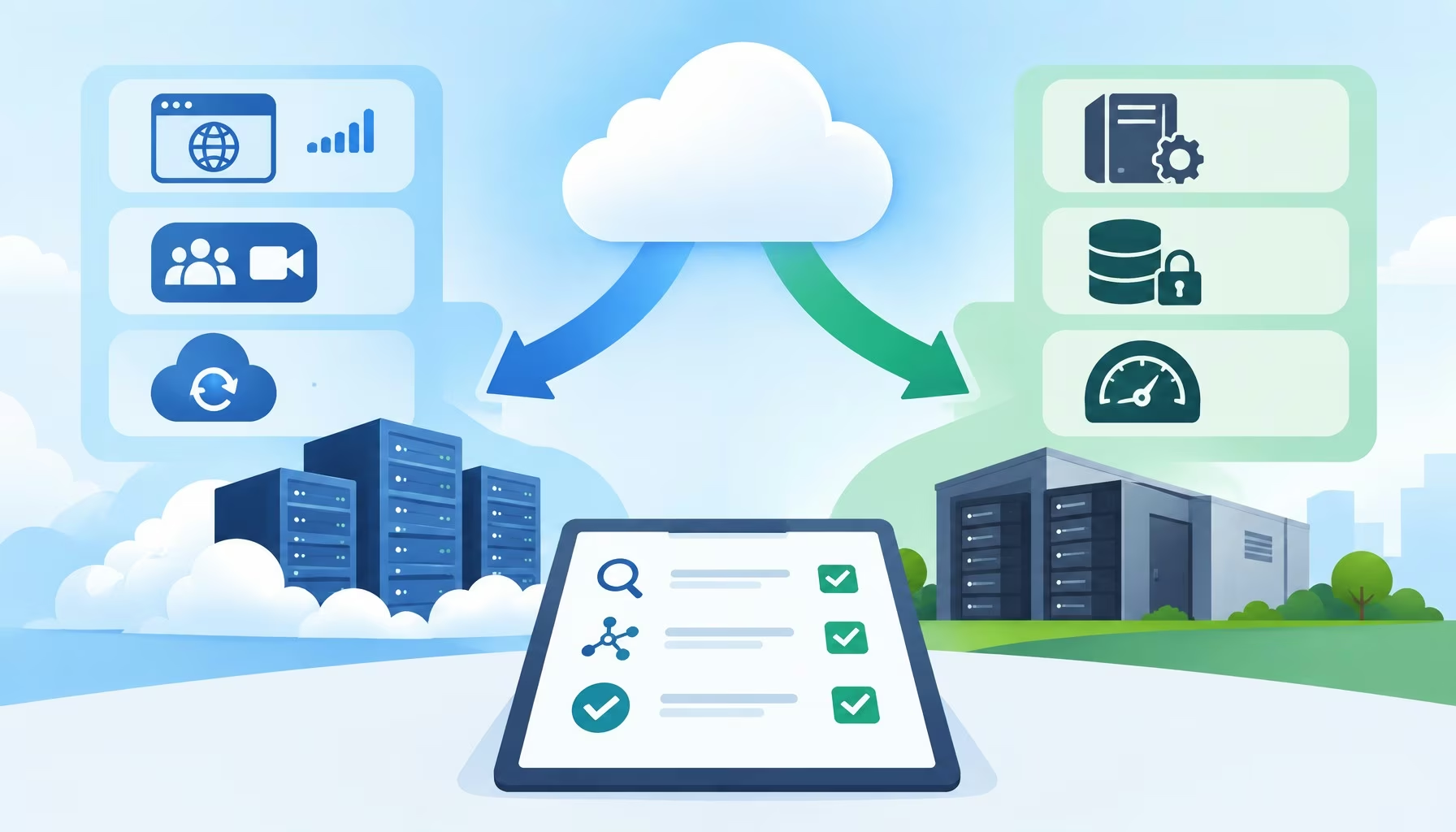
Flat editorial illustration: The article's core relationship is workload-by-workload decision-making for cloud migration, where s
Which Workloads Should Move to the Cloud?
Cloud Computing Exclusive IT
Flat editorial illustration: The article positions data governance as a strategic board-level concern rather than a purely techni
Why Data Governance Is Becoming a Board-Level Business Priority
Big Data Exclusive Policy and Governance
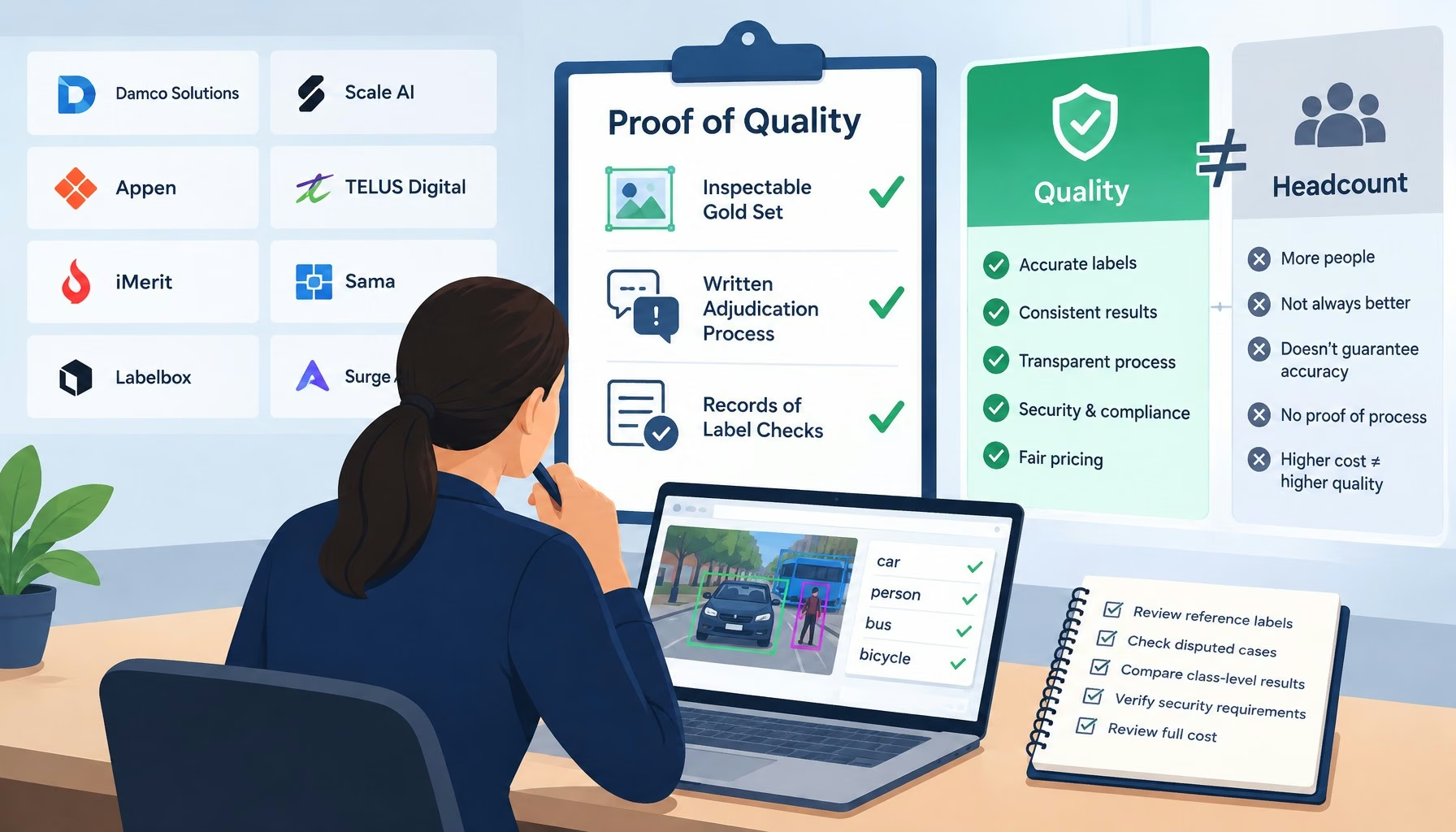
Flat editorial illustration: The article argues that data annotation quality should be measured by inspectable gold sets, written
The Top Data Annotation Companies Are Separated by Proof of Quality, Not Headcount
Big Data Exclusive
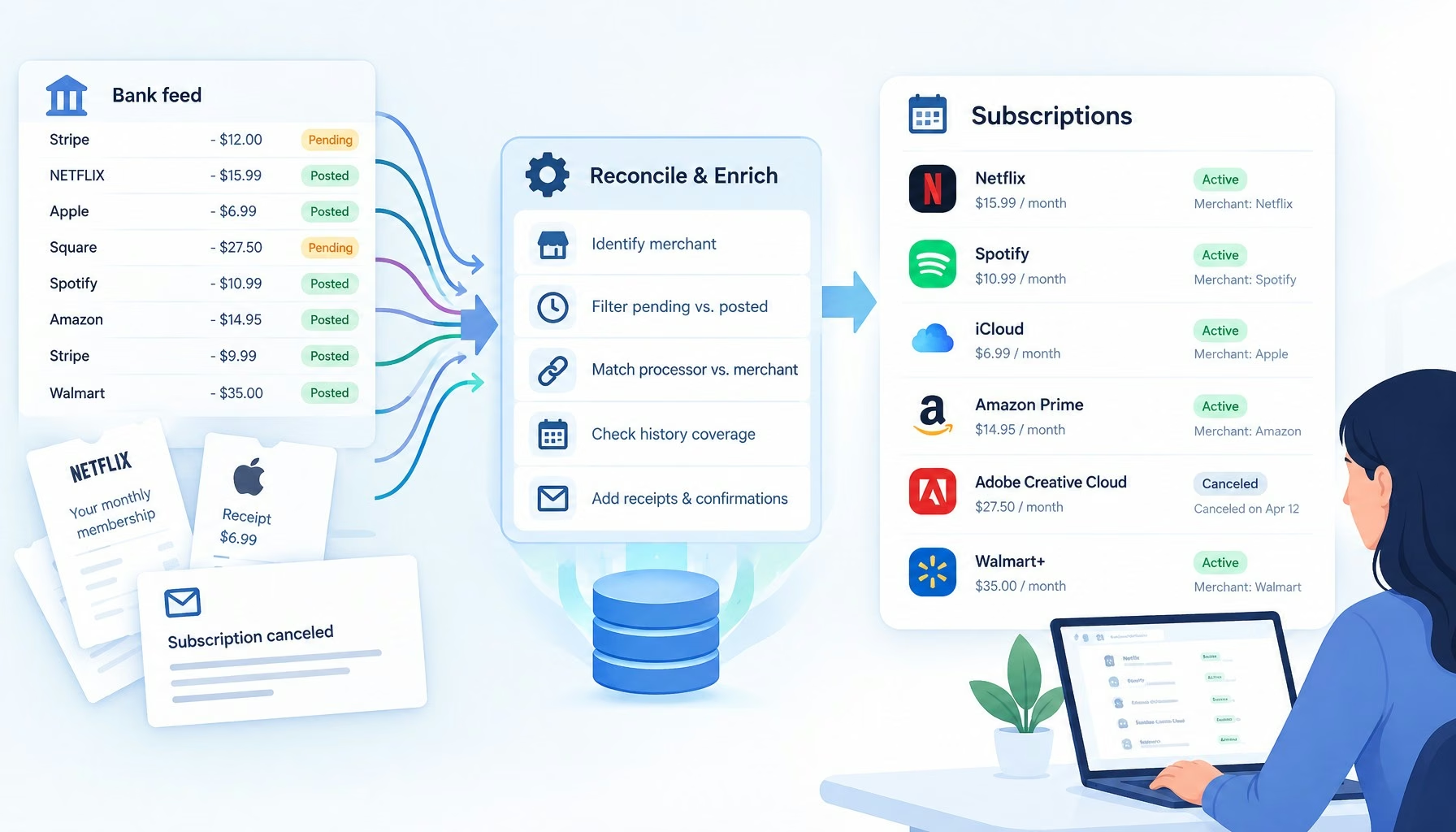
Flat editorial illustration: The article's core relationship is the gap between raw bank-feed records and reliable subscription i
Subscription Trackers Have a Transaction Data Problem
Big Data Exclusive

Stay Connected

1.2KFollowersLike
33.7KFollowersFollow
222FollowersPin

You Might also Like

7 Possible Cross Browser Testing Solutions for Data-Savvy Businesses
Big Data

7 Possible Cross Browser Testing Solutions for Data-Savvy Businesses

14 Min Read
7 Things about VPNs Every Businessman Should Know
Security

Is the IRS’s E-File Security Ready for Prime Time?

4 Min Read
Getting Serious About Big Data Security
Security

Getting Serious About Big Data Security

7 Min Read
IT Security Lessons from the World’s Biggest Data Breaches
Uncategorized

IT Security Lessons from the World’s Biggest Data Breaches

4 Min Read

SmartData Collective is one of the largest & trusted community covering technical content about Big Data, BI, Cloud, Analytics, Artificial Intelligence, IoT & more.

From Bolts to Bots: How AI Is Fortifying the Automotive Industry
Artificial Intelligence
Artificial Intelligence for eCommerce: A Closer Look
Artificial Intelligence

Quick Link

  • About
  • Contact
  • Privacy
Follow US
© 2008-26 SmartData Collective. All Rights Reserved.
Welcome Back!

Sign in to your account

Username or Email Address
Password

Lost your password?