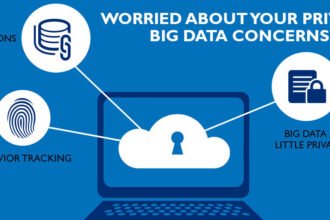
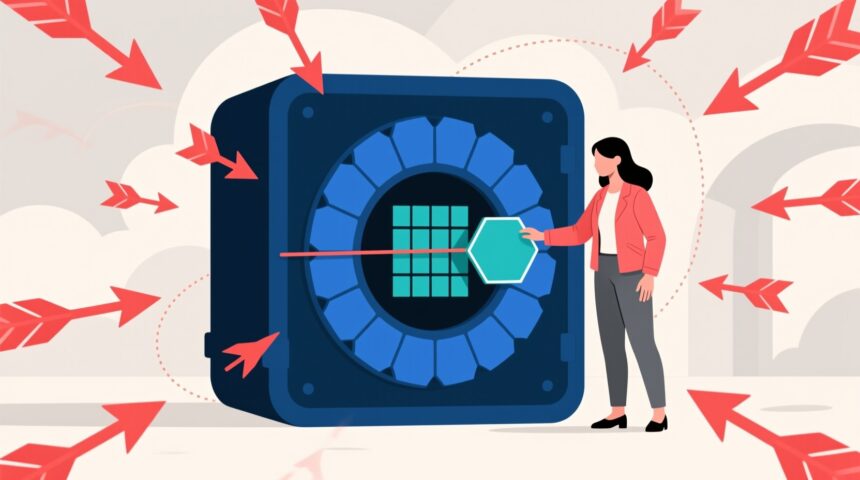
Keeping your data safe now is more challenging than ever. We keep a lot of our data on hackable devices, such as mobile phones and computers. One weak password or a phishing attack on our emails is enough to breach and expose our information and have it land in the wrong hands.
We also give a lot of our information away to various companies and services we use online.
We often do this without checking the legitimacy of their services or knowing little about policies they have to keep our data safe.
Plenty of our information gets collected for advertising purposes to grant us a better customer experience as well — meaning a lot of our data is collected without our consent.
Data privacy gets more complicated if you’re visiting sites from around the world because different countries have different data protection laws. For example, if you’re from Europe, you may not be able to access a lot of the sites due to GDPR regulations.
And all of this is just the tip of the data privacy iceberg.
What is data privacy, and how can you keep your sensitive information private?
What Does Data Privacy Include?
Most of us think about data privacy in terms of keeping our sensitive and confidential data safe from hackers. While data privacy does include efforts to protect your passwords and bank account information when you’re online, it’s also much more than that.
Data privacy also entails any physical, social, or informational boundaries.
Physical boundaries might include locking your door or keeping your data locked in a safe. Hacking is the first that comes to mind when we think about data leaks and data breaches, but protecting the data physically is just as important.
Social boundaries are all about controlling different levels of access people should have for their data.
This is especially significant for companies that give access to their systems to employees and need to regulate who has access to different parts of your system.
Informational boundaries are all about being strict about confidentiality. For companies, this might include insisting that their employees sign non-disclosure agreements (NDA).
Which Steps Can You Take to Protect Your Information?
Start with setting up strong passwords, having the basic software that protects your data, and isolating your sensitive data. If you have a business, develop a protection framework.
Setting up a strong password is the one step many people ignore, but it’s the easiest place to start. If you have a weak password that you use for multiple accounts, a hacker can crack it and get into all the systems where you use that password for login.
This means that you need to have a different password for all of your accounts, that they can’t contain anything that can be traced back to you, and that they should be changed regularly (every couple of months).
A great alternative to multiple passwords that you might forget is using a password manager, with which you can remember one password.
Basic software such as reliable antivirus software and firewalls that protect your data from cyber threats are essential. They make it difficult for hackers to breach your systems.
Don’t forget to install both on your computer and mobile phone.
If you’re protecting data on the company level, you’ll need a more elaborate plan to protect its data, but also the information of your employees, clients, and customers.
The framework you’ll have to develop should include deciding on how to classify the personal data, store said data, and have tools and protocols that protect it.
Customers and clients are tired of hearing that their data has been leaked in a breach. Therefore, you need to know where the data is at all times, make sure that your systems are difficult to breach, and also that you understand the laws that govern the privacy of the data.
Additional Tips for Safer Browsing
Don’t click on any ads from unfamiliar websites and brands, ever. They can contain adware (a virus that gets downloaded once you click the ad) and infect your computer with malware that gives remote access to your computer.
If you sign up for a lot of newsletters, unsubscribe from the ones that you no longer read.
Phishing via email is the most common type of hacking, and you can easily open an email that you think is from a website you subscribed to and forgot about
Never click on the link in the email or download attachments — especially if they’re from an unknown sender. Similar to adware, this can download the virus that steals passwords to your computer.
Check your browser and email providers. Not all providers are equal in the sense that they don’t have the strongest built-in protection systems. For instance, one email provider might filter email that contains malicious viruses, while another might allow it straight to the inbox.
With browsers, the situation is similar. Some might have the protection against data breaching methods such as fingerprinting (similar to cookies, for which websites don’t need your consent) while others lack in that front.
You Can Protect Your Data
It’s difficult to foolproof your data security because there are a lot of things you can’t really control. You can always focus on the things that you can control, such as setting strong passwords, having reliable software, and avoiding suspicious emails and websites.
Consider your data security more broadly — not just in the leaked data and hacking sense. This increases the chances that your data will be safer. Also, have in mind physical ways to keep information safe, as well as legalities that go into data protection.
You should know how your data is used, stored, and even if it’s deleted. Keep track of who you give your data to and to which websites and services you’ve allowed access to your data.