Appreciating Predictability
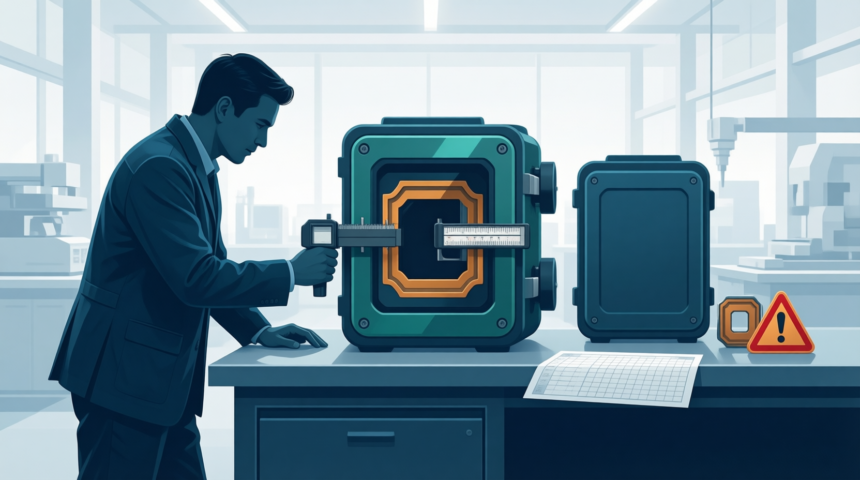
When it comes to your product, you can never be too careful. Every item that leaves the shelves is a representation of your company. Consumers value quality and consistency in a brand. When they purchase a product from the store, they do so with an expectation.
Appreciating Predictability
When it comes to your product, you can never be too careful. Every item that leaves the shelves is a representation of your company. Consumers value quality and consistency in a brand. When they purchase a product from the store, they do so with an expectation. If you buy a bottle of Pepsi or Coke, you have a reasonable notion as to how much consumable product you’ll receive what it will taste like etc. This sort of predictable product might be boring or seem unsustainable to some, but their customers have responded to it in a major way.
Cultivating Consistency and cutting costs
When it comes to non-consumable goods, the spectrum of expectations varies widely. Usually there is a correlation between price and quality, and the buyer is generally aware of this association. However, in the market today where guarantees, warranties and refunds are running rampant, companies can’t afford to skimp on quality control without gouging the bottom line.
A recent study showed that the top two reasons for product defects were design flaws and excessive variation. Both of these deficiencies could be shorn up with the use of quality management software. In addition to reducing your product defect rate, quality management systems such as these can help streamline your processes and reduce production costs while simultaneously increasing production timelines and helping you produce grater quantity with a higher level of consistency and higher profit margin.

In addition to cutting out significant warranty and other costs associated with defective product you will also enjoy the added benefit of preserving your brand’s reputation. The implications of this benefit alone can be astronomical. If the recent fiasco from Toyota has taught us anything, it’s that even the strongest of brands aren’t immune to consumer scorn. One of the world’s strongest brands was derailed by an oversight in product quality and lost billions of dollars. After a full scale PR and rebranding campaign later, they have finally recovered from the fallout created from product defects,
Coordinating Compliance and Keeping Customers
Part of the issue in the case of Toyota was that many of their component parts were outsourced to other production facilities. In cases like these, it can be difficult to oversee all aspects of production. With raw materials coming from one facility, unfinished goods from another and final assembly in an entirely separate facility, how can you ensure the end product is up to the standard? Luckily, these new compliance systems are no unique to one location. With the advantages of cloud computing, you can implement these quality management systems across all your facilities and ensure that your coordinated efforts result in the type of product you want associated with your brand.
Possibly one of the most underrated aspects of reducing product defects is preventing customers from defecting. Studies have shown that repeat customers are more than twice as profitable as new customers. You may be have heard the saying “80% of your business comes from 20% of your customers”. It seems to follow then than retaining that 20% should be of paramount importance to a business. This small portion of your overall consumer base is loyal in no small part due to the unique offer your product provides them. They are willing to bring you their repeat business because they know what to expect from you and the value you provide them consistently meets or exceeds their expectations. The bottom line is if you want consistent customers and revenue, product quality and consistency is a must. Help build your brand on a platform of steady and sustainable merchandise.