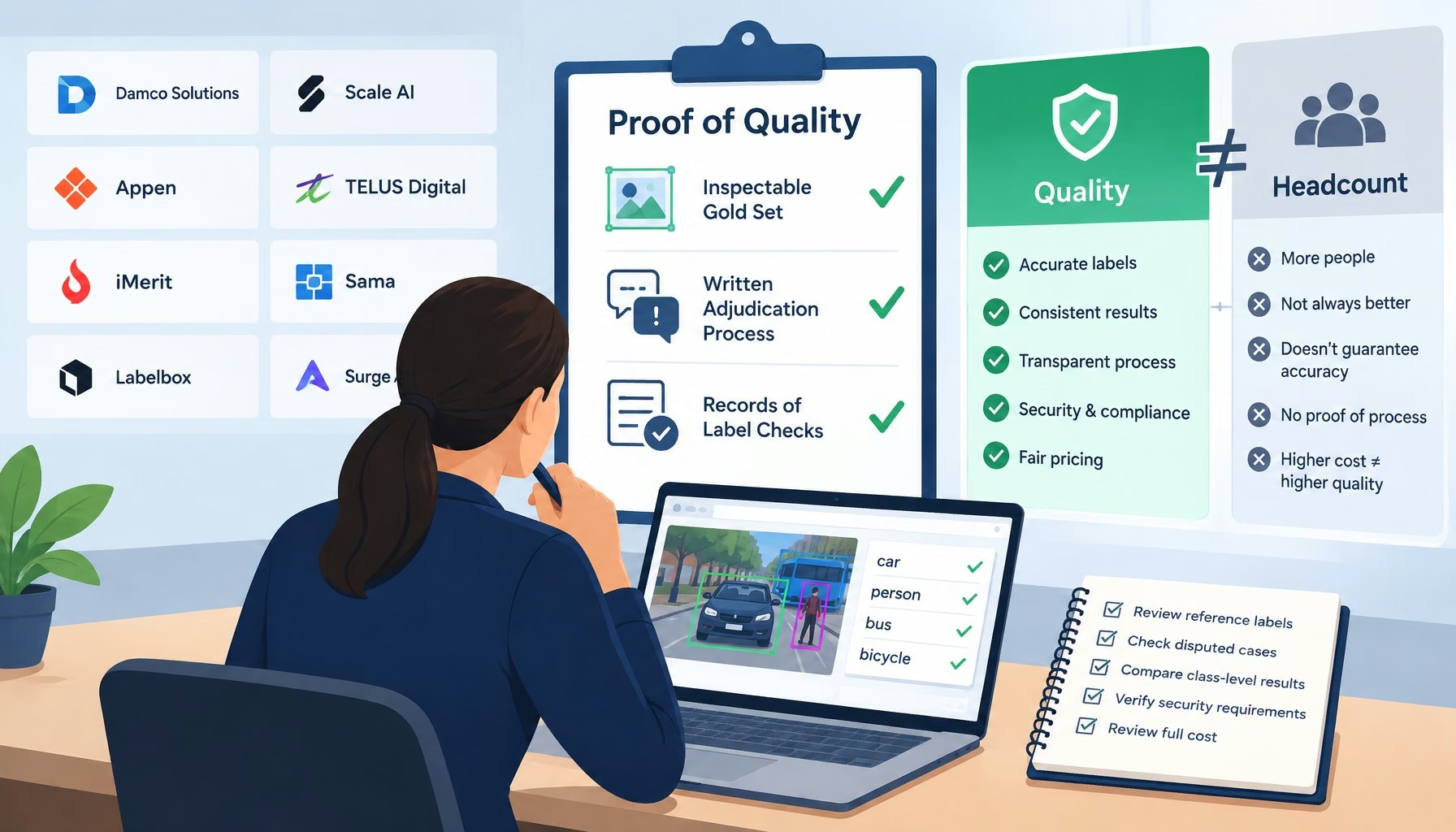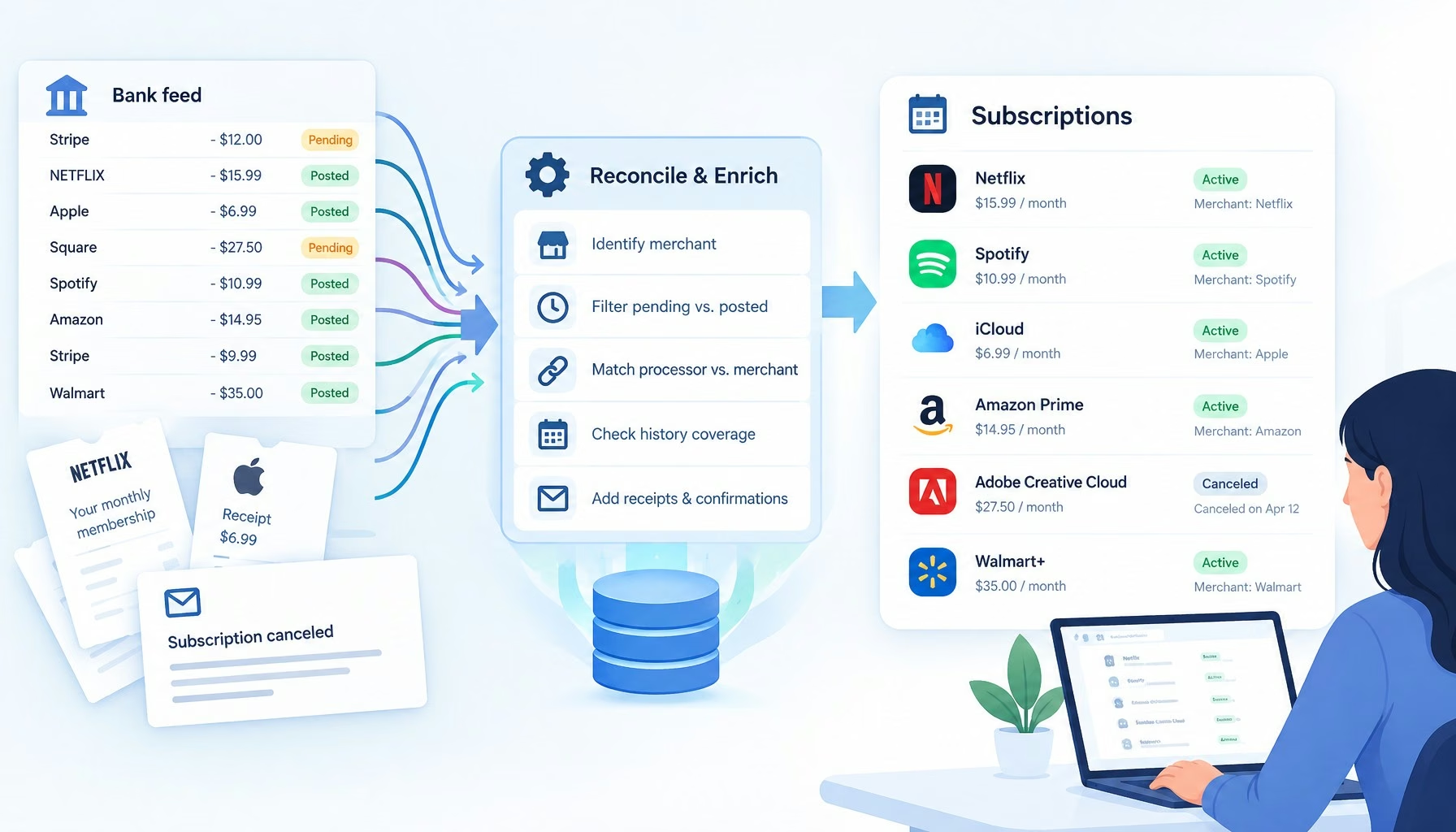
There is no question that big data is very important for many businesses. Unfortunately, big data is only as useful as it is accurate. Data quality issues can cause serious problems in your big data strategy.
Customers won’t always directly tell you the information your company needs to provide better products or services.
However, their conversations on social media, most frequently posted topics and words, and responses to survey questions can reveal information essential to your company’s performance. Are they pleased with your products and services? What are their interests? What influencers do they follow on social media?
Utilizing conversational analysis can reveal which business locations are excelling and which aren’t, which advertisements connect with customers, and what they think of new products. Conversational analysis can reveal what matters most to your customers and what influences their decisions most.

What is Conversational Analysis?
Conversational analysis is the study of qualitative data to gain insight into the thoughts, opinions, and decisions your audience makes. It relies on data to drive its AI algorithms. You have to ensure this data is reliable if you want to create a useful conversational analysis funnel. You need to recognize that both data quality and quantity are important.
By utilizing conversational data, a company’s audience can be studied. What social media influencers connect with customers? What experiences are customers sharing on social media? What can be gained from asking audience members the right questions during social media interaction?
Conversational analysis can help provide the answers to these and other questions about a company’s audience. Big data companies can provide the analysis needed to understand audience data.
Steps in Utilizing Conversation Analysis
Learning more about a company’s audience through conversation analysis follows a detailed process. Following these steps will reveal essential information about customers and their opinions and choices.
Define Company Goals
The more a business focuses on its goals, the more accurate the information that will be gained through conversation analysis. Conversational analysis can address objectives such as improving customer service or product quality, identifying customer wants and needs, or understanding more about customer demographics and backgrounds.
Conversational analysis can even help companies decide which objectives should be their goals. Audience data can point the way toward changes that are meaningful for the future of brands and businesses.
Identify the Audience
Identifying a target audience will help in understanding and utilizing conversations to gain insight. An audience could be customers at large or segments of an audience, such as women ages 35 to 50 or families with young children.
The more a company or brand knows about its audiences, the greater the chance they will serve them well and provide them with positive user experiences that are tailored to their wants and needs.
Conversational Analysis
Identifying a target topic will make conversation analysis more focused, providing more detailed information about an audience’s opinions and the thoughts behind their decisions. Narrowing the scope of topics analyzed will provide the information about audience opinions and behavior a company or brand needs and none of the irrelevant information they don’t.
Audience research used to mean manually conducting surveys. Today, companies have tools such as web scraping APIs, which can collect audiences’ conversations to learn what’s important to them, their experiences and expectations with a brand, and what motivates them.
Analyzing the Conversational Data
Once audience data is gathered through conversation analysis, it should be studied. Big data companies can sort this information through charts, word clouds, graphs, categories, tags, or top authors. This analysis and organization will identify trends, challenges, and opportunities.
The information presented by analysis of conversational data will reveal a business’ strengths and weaknesses, opportunities, and threats. This allows companies to improve products and performance, understand their audiences better, and better serve their customers.
Benefits of Conversational Analysis
Businesses that do not analyze their customers’ conversations in surveys, posts, and discussions on social media platforms are, in essence, flying blind. They don’t have the insights into their audiences that conversational analysis can provide. Here are some of the benefits of conversational analysis.
Better Products
Companies that pay attention to their audiences’ conversations and learn from them will better understand how to improve their products. If customers have suggestions for improvements, these companies are more likely to hear those suggestions and act on them.
Having data insight on the conversations of your brand’s fan base can show products’ strengths and weaknesses.
Better Service
Analyzing conversational data with the tools provided by big data companies usually results in better engagement with customers, a deeper understanding of their wants and needs, and, ultimately, improved customer service.
Conversational analysis can show you how to serve your customers better, but companies have to be willing to act on this knowledge.
Better Connections
Interactions with audiences online add to greater awareness of customers’ conversations. Asking a customer more questions online, via a direct message, or by text or email can help businesses or brands learn more about them.
If a customer posts a positive review of your restaurant on social media, ask what they enjoyed most. If their experience wasn’t positive, privately message them to find out more about what happened and how you can make things right.
Knowing more about these conversations and posts results in a greater understanding of what the audiences of a business or brand want and greater empathy for them. A business’ communicator can use this information to make better connections online with audience members.
Conversational Utilization to Maintain Audience Data
Through conversational data analysis, companies will gain a greater understanding of what their audiences think about them and their products and services as well as what influences them. Knowing their wants and needs in products, their expectations of brands and businesses, and causes they believe in can help businesses in setting goals and making improvements.
Big data companies have the software and tools to gather conversational data from among various audiences and organize it to identify trends in qualitative data that will assist them in charting a course for the future.
The gathering and analysis of conversational data show a greater interest and responsiveness to audiences, with a focus on how best to relate to them and provide them with better products and services.
Big data companies can help businesses and brands in gaining deeper insights into their audiences’ online conversations that will give them advantages in serving and communicating with them better.