We use cookies, including third-party cookies from Google to serve personalized ads through AdSense, to operate this site and understand how it is used. By continuing to browse, you accept this use. See our Privacy Policy and Terms of Use for details, including how to opt out of personalized advertising.
Accept
SmartData CollectiveSmartData Collective
  • Analytics
    AnalyticsShow More
    What Kind of Problem-Solving Distinguishes Data Analysts From Software Engineers -- AI-generated illustration
    What Kind of Problem-Solving Distinguishes Data Analysts From Software Engineers
    7 Min Read
    chatgpt image jul 21, 2026, 04 34 30 pm
    4 Core Benefits of Predictive Maintenance after Vibration Analysis
    10 Min Read
    How Does Data Mining Boost Customer Satisfaction in Logistics? Harnessing Analytics for Results -- AI-generated illustration
    How Does Data Mining Boost Customer Satisfaction in Logistics? Harnessing Analytics for Results
    11 Min Read
    chatgpt image jul 13, 2026, 04 23 45 pm
    How Data Analytics Helps Companies Improve User Engagement
    19 Min Read
    chatgpt image jul 13, 2026, 03 59 46 pm
    How Data Analytics Improves Multi-Location Search Strategies
    10 Min Read
  • Big Data
  • BI
  • Exclusive
  • IT
  • Marketing
  • Software
Search
© 2008-25 SmartData Collective. All Rights Reserved.
Reading: How Risk Management Ecosystem Is Evolving with Data Analytics
Share
Notification
Font ResizerAa
SmartData CollectiveSmartData Collective
Font ResizerAa
Search
  • About
  • Help
  • Privacy
Follow US
© 2008-23 SmartData Collective. All Rights Reserved.
SmartData Collective > Data Management > Risk Management > How Risk Management Ecosystem Is Evolving with Data Analytics
Risk Management

How Risk Management Ecosystem Is Evolving with Data Analytics

farooqsl
farooqsl
5 Min Read
How Risk Management Ecosystem Is Evolving with Data Analytics
Illustration generated with FLUX.2 [klein 4B] via Cloudflare Workers AI.
SHARE

According to IBM “Every day, we create 2.5 quintillion bytes of data — so much that 90% of the data in the world today has been created in the last two years alone.” 

Contents
  • 1.    Instantaneous intelligence and robust utilization of risk assessment
  • 2.    Improved decision-making
  • 3.    Substantial cost savings
  • 4.    Improved analytical power and the stabilization of risk models

Innovative industries and organizations have already begun to capitalize on this wealth of data. From supply chain to insurance analytics and other big data ecosystems, data analytics is truly transforming the risk management world.

That being said, it is still important to interrogate how specifically the risk management ecosystem is evolving with data analytics. In a nutshell, data analytics influences risk management and its different ecosystems in 4 fundamental ways as illustrated in the diagram below:

 1:

More Read

Survey Says: Security Risks Never Higher, or More Costly
Black Swans Causing a Rethink on Global Supply Chains?
PCI & HIPAA Data Breaches of 2012: Lessons Learned
5 Strategies For Keeping Your Company’s Sensitive Data Secure
How to Get Started with Value Add Forecasting

In essence, data analysis helps the risk management ecosystem, and especially risk teams, to achieve increasingly accurate hindsight, insights and foresight drawn from a variety of data sources (whether structured or unstructured), almost instantaneously.

As Jason Hill, (Executive Partner – Reply) concisely put it,

‘Time is critical in the new world of risk management. If you can react to a risk faster, you have a competitive advantage’

Therefore, through data analytics, individuals in the risk management ecosystem are able to rapidly and effectively sense and respond and/or predict and act faster and better, informed by a vast amount of risk variables.

Benefits of data analytics in risk management ecosystems

1.    Instantaneous intelligence and robust utilization of risk assessment

In today’s world, the variety and complexity of data sources (including email, social media, apps, sensor data and documents) mean that static structures and interaction paths are no longer tenable.

The speed required to retrieve and analyze data has necessitated not only how big data has been utilized and approached in the recent past, but more importantly how it is can be used today.

Take for example risk management in a banking eco-system. if you want to conduct a risk assessment in determining the risk of giving a loan to a new customer, you can easily use data analytics to get an almost instantaneous risk profile based on a wide range of data. The analyzed data can be derived from spending habits, customer credit reports and social media, all within a matter of seconds.

2.    Improved decision-making

Through data analytics, decision making has become more robust and evidence-based across a number of key risk domains including; market risk, credit risk, operational risk, integrated risk management, compliance risk etc.

Additionally, since data analytics allows the synthesis of vast amounts of data, this allows for the development of new ways to work and collaborate. Risk management teams can, therefore interact and collaborate more with other teams within an organization including; Finance, IT and operations teams. This inherently leads to collaborative decisions and therefore better decision-making.

3.    Substantial cost savings

In business, efficiency translates to cost savings. Through data analytics, significant cost savings can be experienced through simply combating risks that can cost businesses lots of money and resources

According to an Accenture’s study, using Big Data analytics in supply chain operations can increase efficiency by 10 percent or greater, reduce order-to-delivery cycle times and improve demand-driven operations. All this is possible through improved data analytics in the supply chain risk management ecosystem.

4.    Improved analytical power and the stabilization of risk models

The quintessential approach of data analytics is to transition from descriptive analytics to predictive and prescriptive analytics. This allows for better hindsight, insight, and foresight. Additionally, data analytics is increasingly producing a better quality of filtered, real-time data which tends to also stabilize risk models.

Conclusion

As you would expect in any domain or industry these days, risk management faces constantly evolving challenges and demands. In order to respond to these demands and challenges, risk managers constantly require not only more data but more detailed data and also increasingly sophisticated reports.

Through data analytics, risk managers are increasingly able to reduce the ‘noise’ inherent in vast volumes of data. This allows for improvements in risk coverage, risk monitoring and in the enhancement of stability and predictive powers in risk models. All this is in an effort to support the Risk Officer’s decision-making. 
Share This Article
Facebook Pinterest LinkedIn
Share

Follow us on Facebook

Latest News

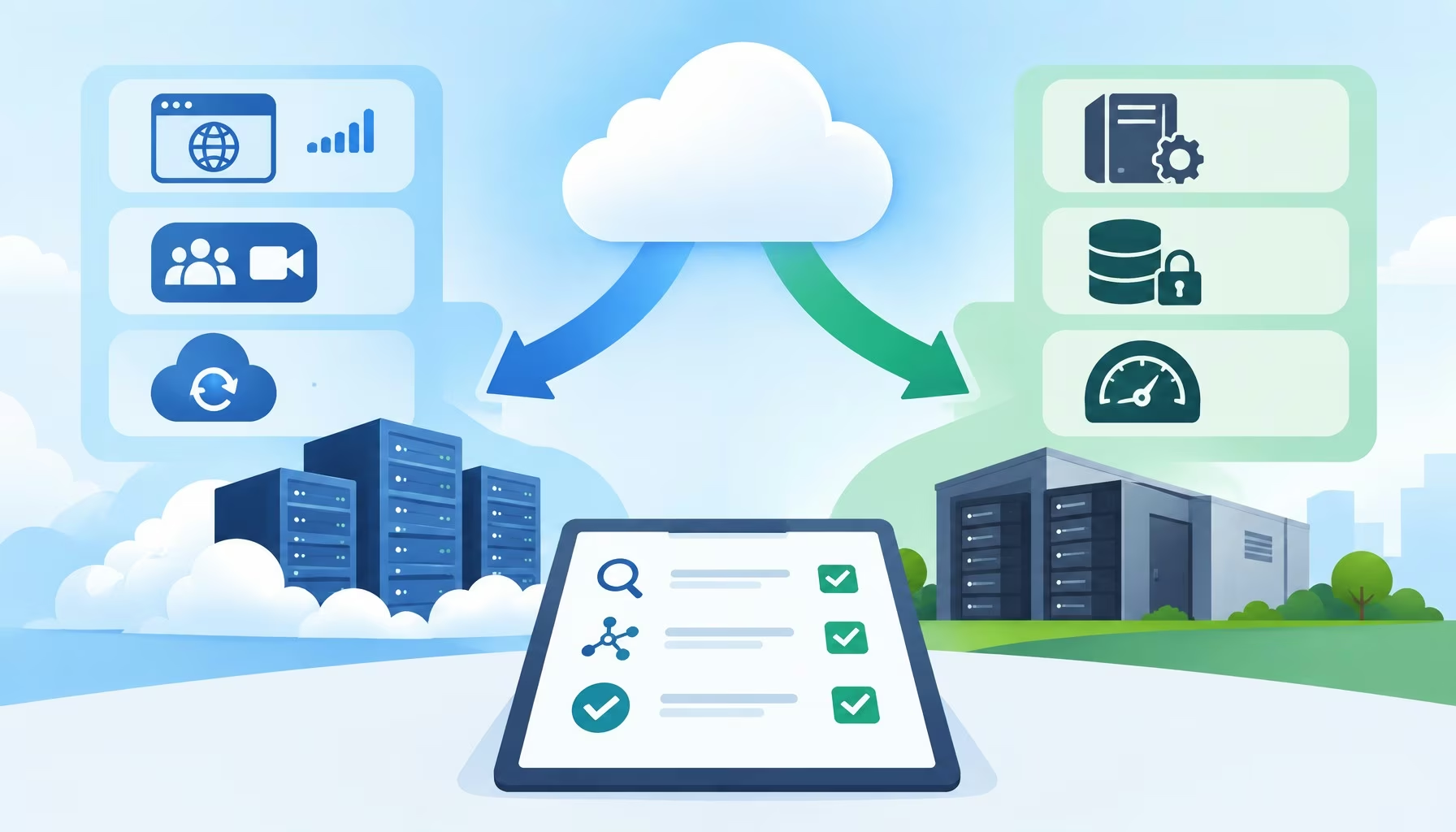
Flat editorial illustration: The article's core relationship is workload-by-workload decision-making for cloud migration, where s
Which Workloads Should Move to the Cloud?
Cloud Computing Exclusive IT
Flat editorial illustration: The article positions data governance as a strategic board-level concern rather than a purely techni
Why Data Governance Is Becoming a Board-Level Business Priority
Big Data Exclusive Policy and Governance
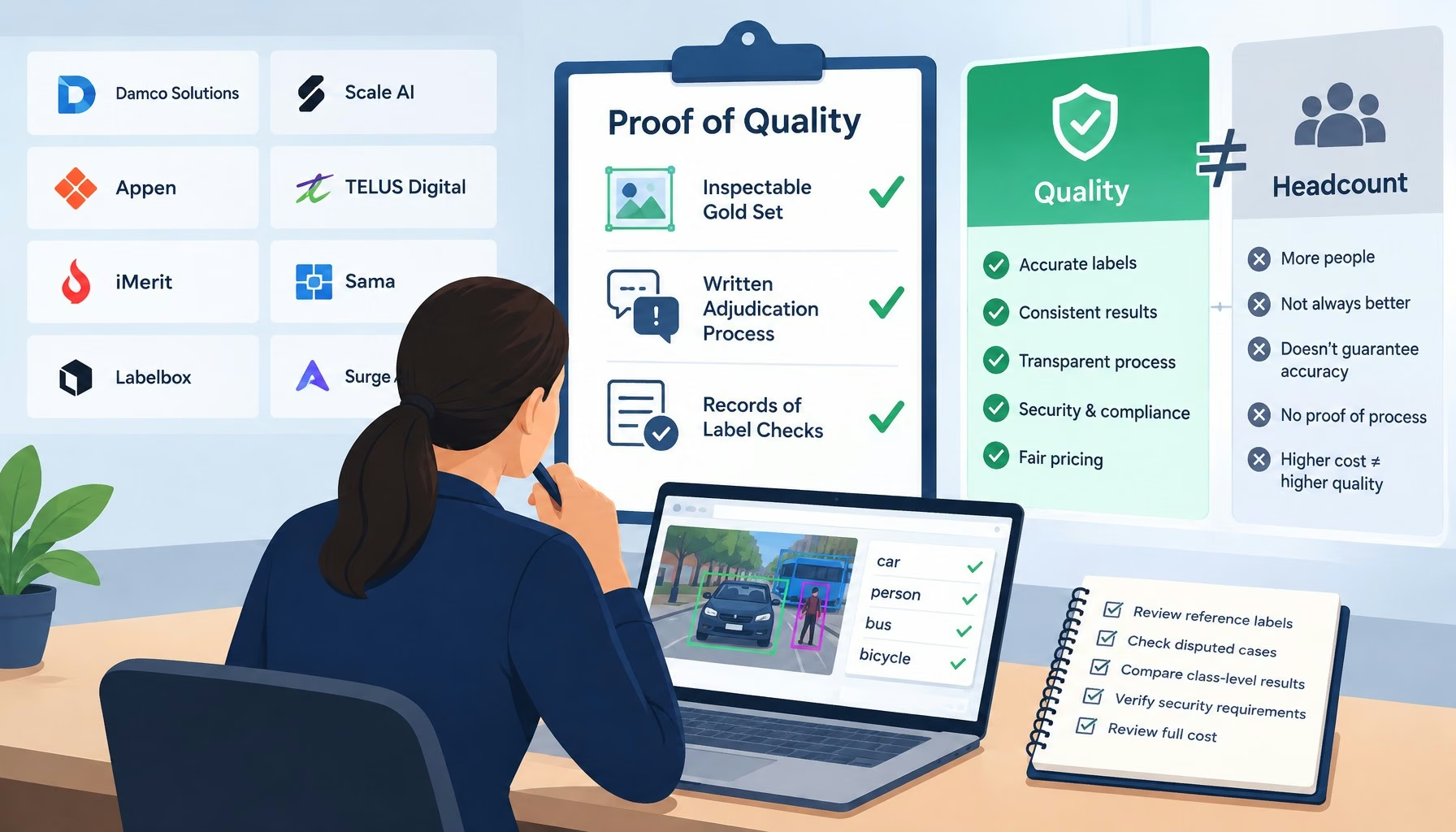
Flat editorial illustration: The article argues that data annotation quality should be measured by inspectable gold sets, written
The Top Data Annotation Companies Are Separated by Proof of Quality, Not Headcount
Big Data Exclusive
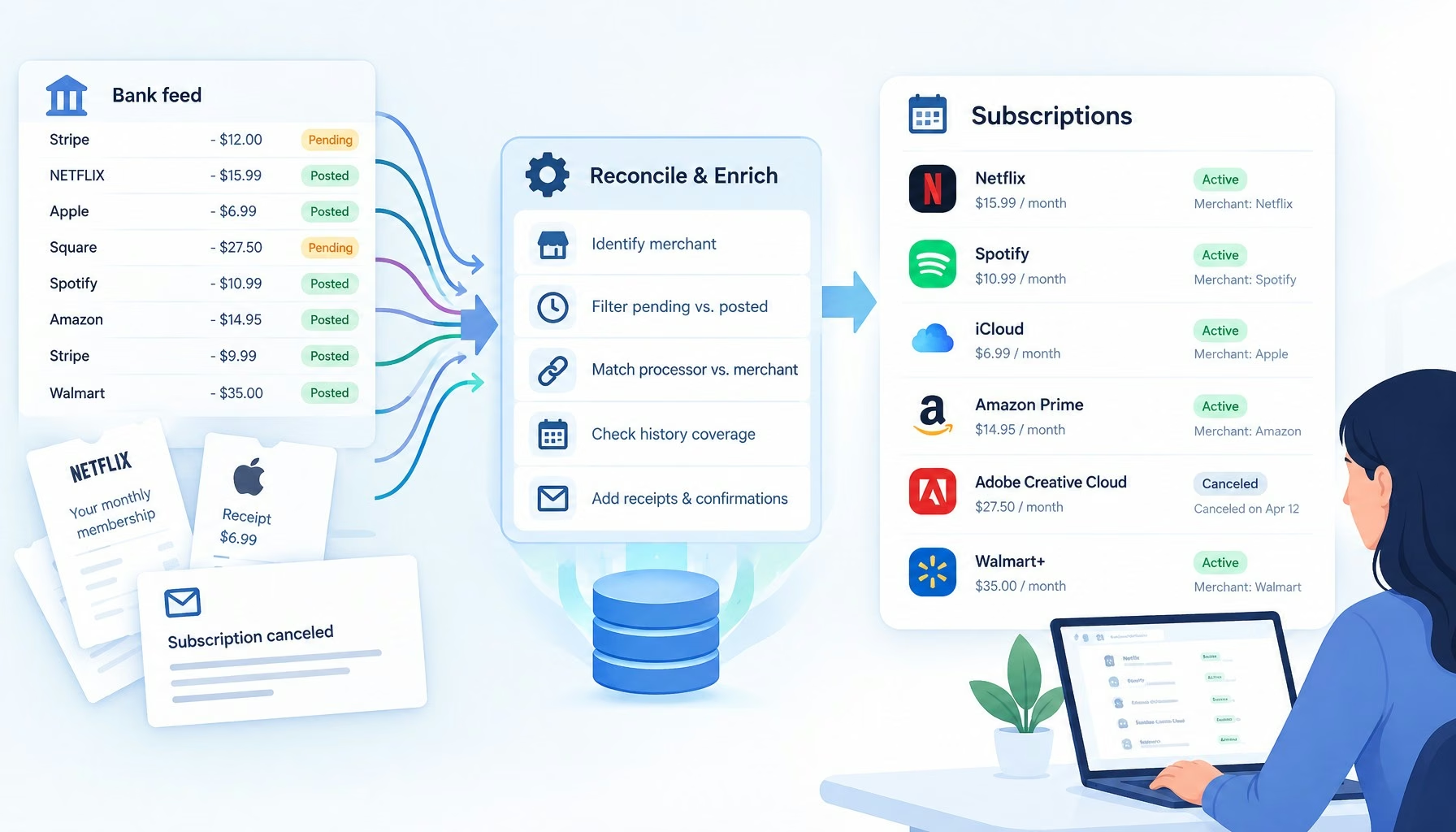
Flat editorial illustration: The article's core relationship is the gap between raw bank-feed records and reliable subscription i
Subscription Trackers Have a Transaction Data Problem
Big Data Exclusive

Stay Connected

1.2KFollowersLike
33.7KFollowersFollow
222FollowersPin

You Might also Like

AI driven big data company
Artificial IntelligenceData ManagementExclusiveRisk Management

How AI-Driven Workflows Are Changing the Way Companies Think About Data Risk

10 Min Read
How to Protect Your Small Business from Cyberattacks with Data Analytics
Analytics

How to Protect Your Small Business from Cyberattacks with Data Analytics

6 Min Read
The 4 Biggest Problems with Big Data
AnalyticsData MiningData QualityRisk ManagementSecurityUnstructured Data

The 4 Biggest Problems with Big Data

4 Min Read
Nine Components of a HIPAA Risk Analysis
AnalyticsPrivacyRisk ManagementSecurity

Nine Components of a HIPAA Risk Analysis

5 Min Read

SmartData Collective is one of the largest & trusted community covering technical content about Big Data, BI, Cloud, Analytics, Artificial Intelligence, IoT & more.

How To Get An Award Winning Giveaway Bot
Big Data Chatbots Exclusive
From Bolts to Bots: How AI Is Fortifying the Automotive Industry
Artificial Intelligence

Quick Link

  • About
  • Contact
  • Privacy
Follow US
© 2008-26 SmartData Collective. All Rights Reserved.
Welcome Back!

Sign in to your account

Username or Email Address
Password

Lost your password?