

We use cookies, including third-party cookies from Google to serve personalized ads through AdSense, to operate this site and understand how it is used. By continuing to browse, you accept this use. See our Privacy Policy and Terms of Use for details, including how to opt out of personalized advertising.
Accept
SmartData CollectiveSmartData Collective
  • Analytics
    AnalyticsShow More
    What Kind of Problem-Solving Distinguishes Data Analysts From Software Engineers -- AI-generated illustration
    What Kind of Problem-Solving Distinguishes Data Analysts From Software Engineers
    7 Min Read
    chatgpt image jul 21, 2026, 04 34 30 pm
    4 Core Benefits of Predictive Maintenance after Vibration Analysis
    10 Min Read
    How Does Data Mining Boost Customer Satisfaction in Logistics? Harnessing Analytics for Results -- AI-generated illustration
    How Does Data Mining Boost Customer Satisfaction in Logistics? Harnessing Analytics for Results
    11 Min Read
    chatgpt image jul 13, 2026, 04 23 45 pm
    How Data Analytics Helps Companies Improve User Engagement
    19 Min Read
    chatgpt image jul 13, 2026, 03 59 46 pm
    How Data Analytics Improves Multi-Location Search Strategies
    10 Min Read
  • Big Data
  • BI
  • Exclusive
  • IT
  • Marketing
  • Software
Search
© 2008-25 SmartData Collective. All Rights Reserved.
Reading: Customer Data Integration – Separating the Hype from the Reality
Share
Notification
Font ResizerAa
SmartData CollectiveSmartData Collective
Font ResizerAa
Search
  • About
  • Help
  • Privacy
Follow US
© 2008-23 SmartData Collective. All Rights Reserved.
SmartData Collective > Business Intelligence > CRM > Customer Data Integration – Separating the Hype from the Reality
CRMData MiningDecision ManagementKnowledge Management

Customer Data Integration – Separating the Hype from the Reality

RickSherman
RickSherman
4 Min Read
Customer Data Integration - Separating the Hype from the Reality
Photo by guvo59 on Pixabay (https://pixabay.com/photos/politics-refugees-a-book-to-learn-3591642/)
SHARE

There is a lot of buzz in the industry about the emerging class of customer data integration software that businesses are using to gain a single view of their customer.

But let’s separate the hype from the reality.

Certainly, implementing a successful customer data-integration solution is critical to business.  But what is necessary to accomplish that? There are three aspects to implementing a customer data integration solution: people, process and product.

Let’s start with product since that’s where a lot of the buzz is. The most important product is a data-integration platform. Generally, enterprises buy discrete data-integration products, such as ETL and data quality (DQ) tools, on a tactical basis.

More Read

Image
Where in the World Does All this ESRI World Data Come from?
Climate Change Under the Text Analytics Microscope
Technology Change Reaps Rewards
Big Data Challenges and Opportunities
Hadoop in Advertising & Media: Is Data Analytics Making Old Media New?

That’s fine, but customer data integration requires a more holistic approach to data integration that I’ll label as Enterprise Data Integration (EDI). This approach looks to leverage and reuse existing data-integration technologies while expanding these capabilities as needed.

For instance, a company using ETL and DQ may add EII and web services to provide a real-time capability.  The cautionary flag with customer data integration solutions is that they often bundle data-integration software with their offering. In fact, much of the value of the solution derives from the data integration components.

Two questions to ask: Do the bundled data-integration products overlap with products you already have (aren’t we trying to standardize?) and, more importantly, haven’t you already started working on customer data integration in your data warehouse (DW) or operational data store (ODS)?

Maybe you should renovate and revitalize what you have been doing rather than starting from scratch by buying a new stand-alone customer data integration solution. In addition, most enterprises fail to appreciate how much effort will be needed to customize the customer data integration solution they purchased, and how much time will be necessary to re-engineer exiting data-integration processes. Rather than buying yet another data and application stovepipe, critically examine whether you have implemented an enterprise data-integration platform. If  not, determine what components you need to establish an infrastructure that can be used by your customer data integration processes and all your other data integration efforts.

People and process are critical success factors for any customer data integration initiative regardless of the software that you might purchase. You need an Enterprise Data Management (EDM) initiative if you are truly going to create and maintain a single view of your customers. From the business perspective, data governance has to be implemented to establish business ownership and custodianship of the customer data. Without it, IT will be chasing windmills like Don Quixote. From an IT perspective, a data integration center of excellence (COE) or competency center (CC) needs to be created to leverage existing expertise and continue to expand you data integration platform.

Customer data integration will provide great business value and has been the holy grail of many an enterprise. It many be closer than many thing IF they expand what they have AND bring in people and processes into the solution. As tempting as an off-the-shelf product offering may be, the reality is you still have to implement enterprise data integration (EDI) and enterprise data management (EDM) if you want to establish a long-term, sustainable customer data integration solution.
TAGGED:customer datadata integration
Share This Article
Facebook Pinterest LinkedIn
Share

Follow us on Facebook

Latest News

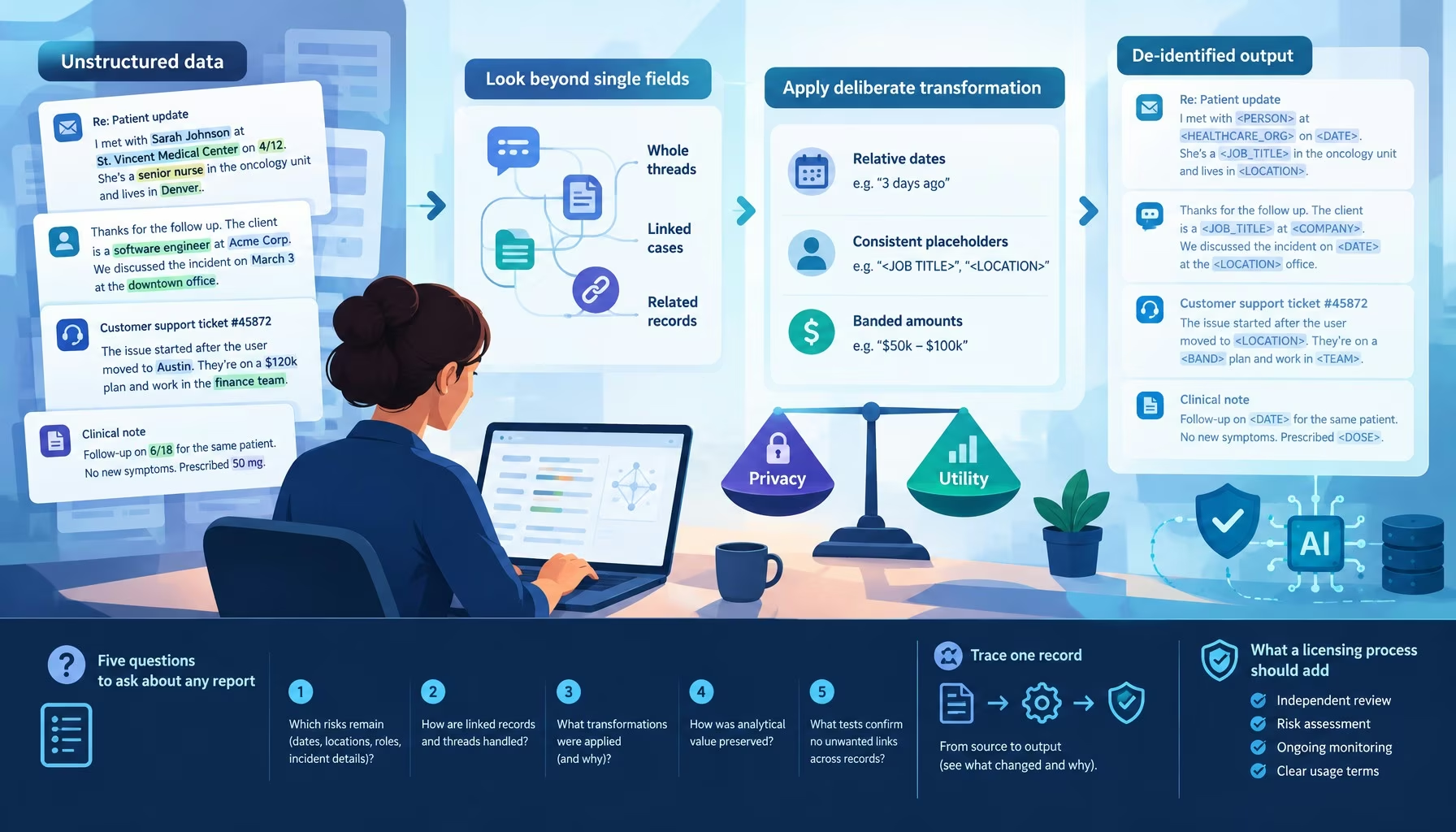
Flat editorial illustration: A tech-editorial depiction of contextual re-identification risk in linked unstructured support recor
Stripping the Names Isn’t Enough: De-Identifying Unstructured Data
Exclusive Unstructured Data
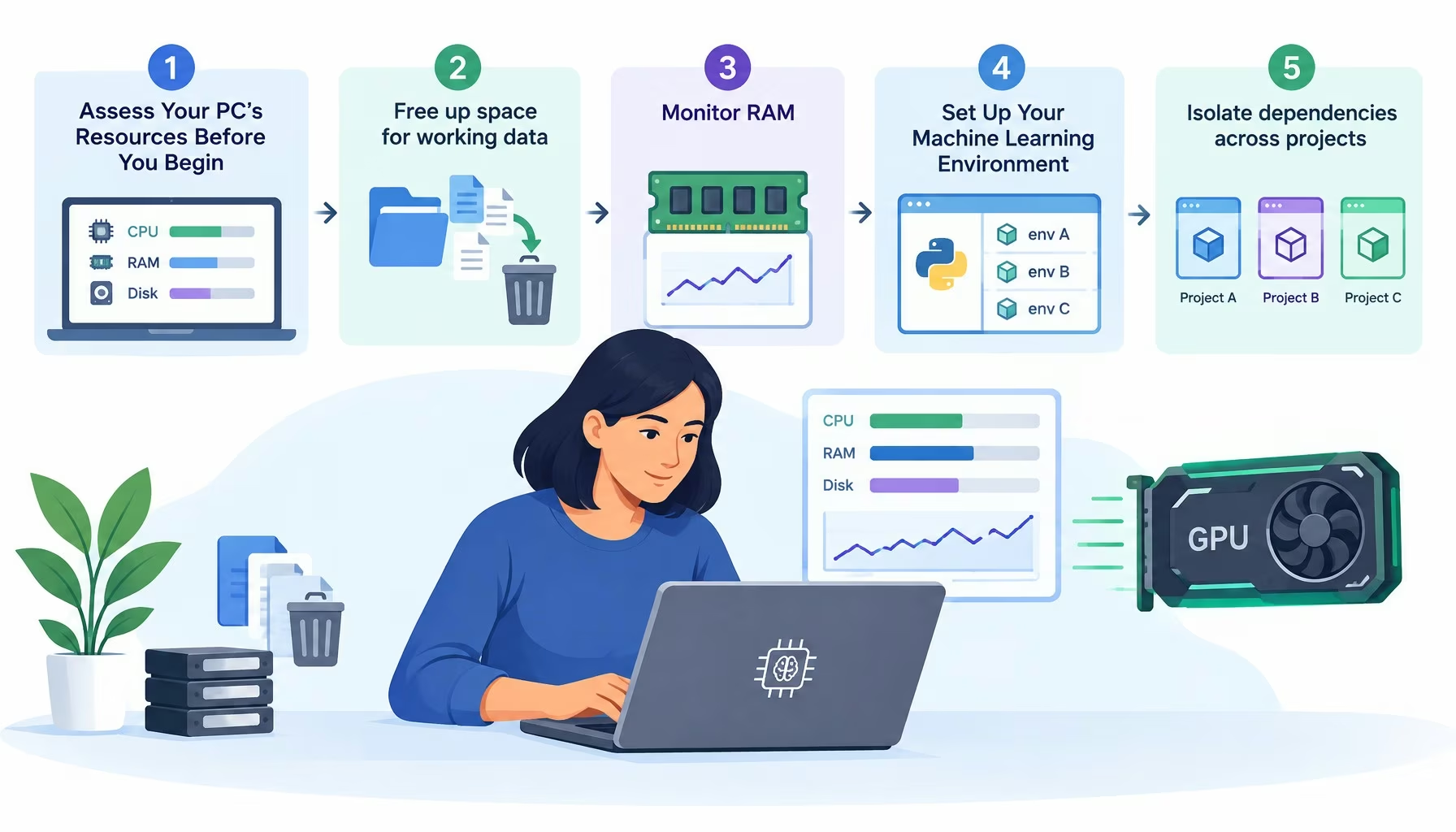
Flat editorial illustration: The article connects practical management of local data, memory and software environments with direc
How Data Professionals Optimize Devices for AI and ML Projects
Artificial Intelligence Data Science Exclusive Machine Learning
Flat editorial illustration: The article connects verified lease abstraction at signing to accurate property charges and faster m
AI Lease Abstraction and Month-End Close Speed-Up Checklist
Artificial Intelligence Exclusive
Flat editorial illustration: The article explains that file-system choice determines whether Windows, macOS, and Linux can read o
Understanding File System Compatibility Across Windows, macOS, and Linux
Cloud Computing Exclusive

Stay Connected

1.2KFollowersLike
33.7KFollowersFollow
222FollowersPin

You Might also Like

Create a "Best-of-Breed" ERP Solution within Cloud Community
Uncategorized

Create a “Best-of-Breed” ERP Solution within Cloud Community

9 Min Read
Marketing Database
Data ManagementMarketing

Need for a Unified Marketing Database

6 Min Read
Automating Manual Imports into Salesforce
Best PracticesNew Products

Automating Manual Imports into Salesforce

3 Min Read
Big Data Is More Valuable with Kapow
Big DataBusiness IntelligenceSoftware

Big Data Is More Valuable with Kapow

6 Min Read

SmartData Collective is one of the largest & trusted community covering technical content about Big Data, BI, Cloud, Analytics, Artificial Intelligence, IoT & more.

ai chatbot
How AI Website Chatbots Improve Customer Support and Lead Generation
Chatbots Exclusive
From Bolts to Bots: How AI Is Fortifying the Automotive Industry
Artificial Intelligence

Quick Link

  • About
  • Contact
  • Privacy
Follow US
© 2008-26 SmartData Collective. All Rights Reserved.
Welcome Back!

Sign in to your account

Username or Email Address
Password

Lost your password?